- The US Federal Reserve believes it is necessary to raise interest rates this year.
- Nine of the Fed’s 19 policymakers think a rate hike will be necessary.
- A 14-point memorandum of understanding begins a 60-day dialogue period between the United States and Iran.
Oil prices fell in early trading Thursday after the United States and Iran signed an interim deal that would end the war in Iran, reopen the Strait of Hormuz and lift U.S. sanctions on Tehran’s oil, resolving the largest energy supply disruption in history.
Brent crude futures were down 89 cents, or 1.12 percent, at $78.66 a barrel by 0005 GMT, and U.S. West Texas Intermediate fell 98 cents, or 1.28 percent, to $75.81 a barrel.
Benchmarks resumed their decline, reversing gains made Wednesday after U.S. President Donald Trump said he could resume his bombing campaign if Iran’s leaders “don’t behave.”
“The selloff extended as energy markets continued to aggressively price in a faster-than-expected return of Iranian barrels following the recent U.S.-Iran memorandum of understanding,” Tony Sycamore, market analyst at IG, said in a note.
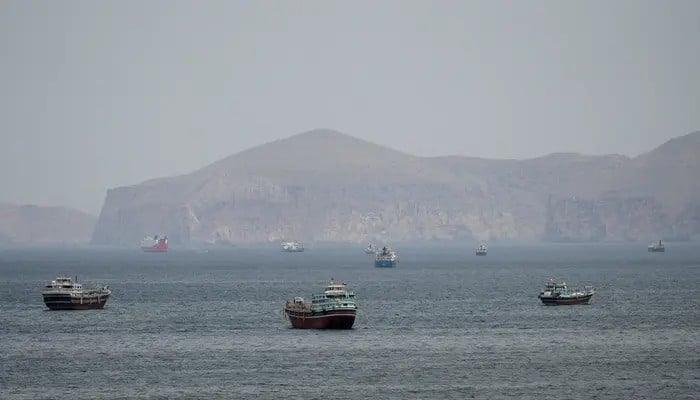
The 14-point memorandum marks the start of a 60-day negotiation period during which Iran will allow fee-free passage through the Strait of Hormuz, a key oil and gas shipping route. The agreement calls for traffic across the strait to be restored to full capacity within 30 days.
The “preliminary” deal postpones many of the most difficult issues such as Iran’s nuclear program, and also requires the United States and its partners to come up with a $300 billion plan to finance Iran’s recovery.
If the deal is successfully implemented and the strait is reopened, this year’s supply crisis could turn into a significant oversupply in 2027, the IEA warned on Wednesday, forecasting in its monthly market report that supply will exceed demand by 5.05 million barrels per day next year as Middle Eastern oil returns to the market.
The U.S. Federal Reserve is also increasingly considering whether it will need to raise interest rates later this year to curb inflation, which could slow economic growth and suppress demand for oil.
Nine of the Fed’s 19 policymakers now think a rate hike will be necessary, Wednesday’s projections showed, a difference from three months ago, when none of them shared that view.