
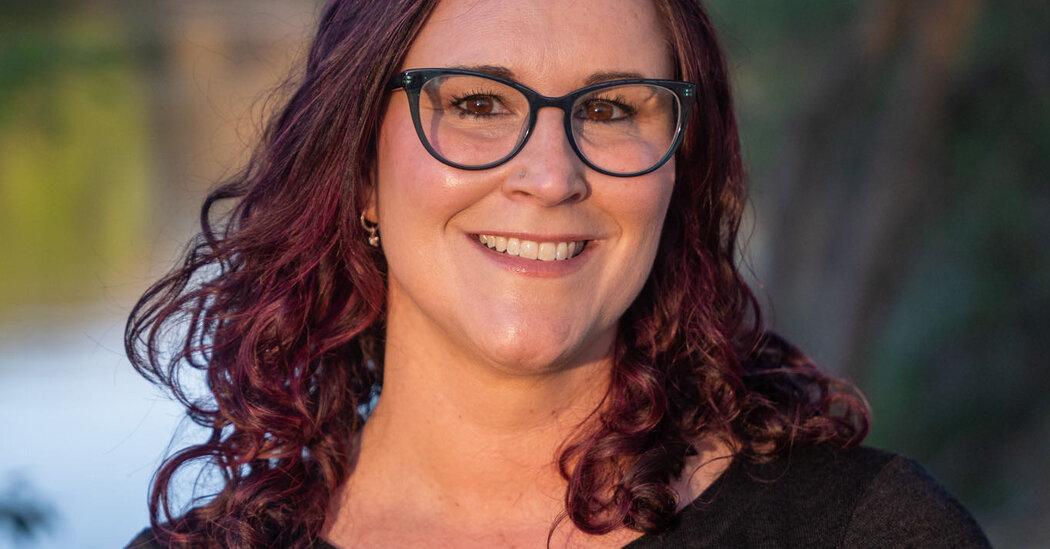
As tech employees have become more outspoken at work over the past decade, companies have often fired or disciplined those they believe have gone too far. It is rare for workers to find legal recourse.
But a decision handed down last week constitutes a rare exception. An administrative law judge with the National Labor Relations Board concluded July 1 that Atlassian, the large software company, illegally fired an engineer in 2023 after she objected to manager layoffs and other policy changes.
The ruling found that engineer Denise Unterwurzacher had a federally guaranteed right to make such comments because she made them as part of a collective effort to help or protect her colleagues.
The judge ordered the company to reinstate Ms. Unterwurzacher to her former job or an equivalent position and to make her financially better off. It is one of the most significant results in years in a case involving the labor rights of a tech worker.
“I fought this case not only for myself, but also for the rights of those who continue to work at Atlassian and in the broader technology industry,” Ms. Unterwurzacher said in a statement.
During the case, Atlassian argued that it fired Ms. Unterwurzacher for violating company rules that require employees to behave in a civil manner and avoid ad hominem attacks against each other.
“We believe it is important to uphold our company values and community guidelines to ensure our workplace is safe and respectful for everyone,” Atlassian said in a statement after the decision was announced. The company said it plans to appeal to the Washington Labor Commission and therefore it is “inappropriate to comment further.” Ms Unterwurzacher’s reinstatement and financial compensation will depend on the appeal process.
Tensions like the one between Ms. Unterwurzacher and Atlassian have become more prominent at tech companies in recent years. Employees have long viewed themselves as part of a professional elite with generous salaries and benefits and a collaborative relationship with management.
But the relationship has begun to change over the past decade, even as the industry has become a driving force in the U.S. economy. Workers seized on what they saw as gaps between the company’s policies and their long-held principles, such as “Don’t be mean,” which was once Google’s informal motto.
Some have protested their employers’ contracts with the Trump administration or the Israeli government, and the companies have in turn sanctioned or fired workers who they say were disrupting or compromising the safety of their colleagues.
Starting in 2022, major tech companies have carried out waves of layoffs and shifted their businesses to artificial intelligence, often leaving their workforces vulnerable and micromanaged.
“The issues that people are organizing around really seem to have shifted to AI,” said Emily Mazo, a Ph.D. student at Columbia University studying tech worker activism. Ms Mazo said workers were concerned about both the possible societal dangers of AI and its impact on their job security and working conditions.
The Atlassian case dates back to 2019, when Ms. Unterwurzacher posted skeptical comments on a corporate messaging platform in response to an announcement about job title changes, according to the judge’s ruling.
The company fired her in June 2023 after two other incidents, including a sarcastic reference to an Atlassian founder’s partial ownership of the Utah Jazz basketball team. “I just called from my NBA team headquarters to yell at the people whose careers I just bludgeoned,” she wrote.
In a subsequent meeting with an employee relations manager, according to the decision, Ms. Unterwurzacher was told that she had a tendency to break company rules and that her behavior had not improved after repeated coaching.
Ms. Unterwurzacher said in an interview that she received no formal coaching — just informal outreach from company officials — and that her comments sounded like the kind of banter between employees that was common on internal channels.
She said she believed the company fired her because it was trying to curb its culture of openness amid a sharp decline in its stock price and that she was known for her outspokenness. “I believe they fired me to silence me and to scare everyone who still worked at Atlassian into not speaking out,” she said.
Atlassian argued that Ms Unterwurzacher’s comment in the third case was particularly personal. A spokeswoman said the company had disciplined workers for violating these rules on other occasions and that it had sought to protect its culture of openness, not curb it, by cracking down on workers who violated its standards and behaved disrespectfully toward each other.
Ms. Unterwurzacher filed a complaint with the NLRB after her termination. The agency found merit in the accusation and filed a complaint against Atlassian.
The judge, Susannah Merritt, concluded that the company’s rules of conduct were illegal because they could prevent workers from raising legitimate questions about managers’ actions. Ms. Unterwurzacher’s comments were protected by law, she said, because they reflected widespread concerns about the company’s treatment of employees. The judge also noted that other workers had made worse comments than Ms Unterwurzacher and had not been fired.
Laurie Burgess, an attorney who has represented a number of tech workers in NLRB cases, said most tech workers are unaware of their labor rights and have never filed complaints with the agency. Many NLRB charges are dismissed before the agency files a complaint, Ms. Burgess said.
A handful of tech worker cases have gained traction. In 2020, the labor board filed a complaint against Google for firing employees involved in protests at the company. The two parties then settled.
A judge ruled in 2019 that Tesla must reinstate a factory worker it fired after engaging in unionizing activities, and in 2022 another judge ordered Amazon to reinstate a warehouse worker who was fired after a protest over safety conditions. Both cases continue to go to trial.


