
He says battery storage technology offers huge potential to strengthen isolated grids in Britain.
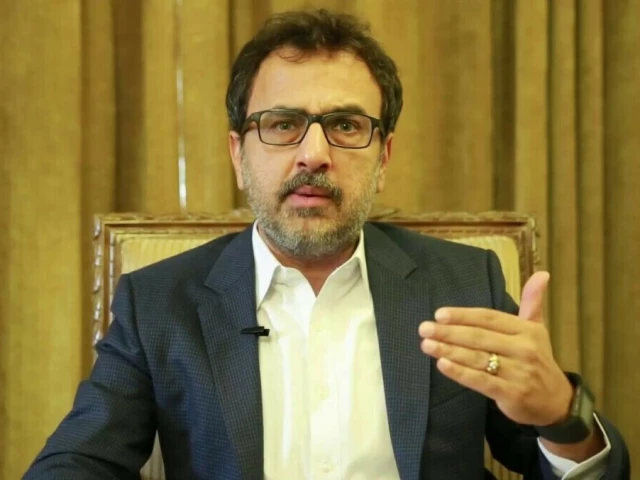
The Minister of Energy is waiting for Ahmad Leghari. PHOTO: FILE
Energy Minister Awais Ahmed Khan Leghari on Saturday said battery energy storage systems (BESS) will play a pivotal role in Pakistan’s energy transition by improving grid stability, supporting greater integration of renewable energy and paving the way for widespread adoption of electric vehicles (EVs).
Addressing the Battery Energy Storage Systems (BESS) conference organized by the Pakistan Solar Association in Lahore, the minister said battery storage has become an essential part of modern power systems as Pakistan’s power sector undergoes a fundamental transformation driven by the rapid expansion of distributed solar generation.
He said the growing use of rooftop solar systems had significantly changed electricity demand patterns, leading to lower daytime demand and higher consumption in the evening.
“This changing demand profile creates operational challenges for the national grid, as excess solar energy generated during the day must be balanced with increasing demand for electricity after sunset,” he said.
Leghari said BESS offered an efficient solution by storing excess solar energy during daylight hours and releasing it to the grid during peak demand periods, thereby improving grid flexibility, reducing reliance on costly power plants during peak periods and improving the integration of renewable energy.
He said the government had declared battery energy storage a strategic priority and established a federal steering committee on BESS to formulate a coordinated national policy and accelerate regulatory and implementation measures.
Read: “Energy reforms reduce inefficiencies by 45%”
The minister said battery storage technology offers immense potential to strengthen isolated grids in Gilgit-Baltistan (GB), improve electricity reliability in Gwadar, integrate renewable energy in remote areas and strengthen the resilience of the national transmission network.
Leghari said: “Battery energy storage systems are sophisticated energy systems that require strict compliance with international standards. Quality, certification and standardization must remain at the heart of our strategy. Only high quality, certified battery systems that meet international standards should be imported, manufactured or assembled in Pakistan.
He said the Ministry of Power had requested all relevant stakeholders to adopt the International Electrotechnical Commission (IEC) standards and allow only IEC certified battery modules to ensure consumer safety and system reliability.
The minister said the government was also promoting local manufacturing of battery systems through a dedicated policy for the manufacturing of battery energy storage systems being developed by the Ministry of Industry and Production.
He said the policy would encourage domestic and foreign investment, facilitate technology transfer, strengthen local supply chains and create skilled employment opportunities, with the long-term goal of transforming Pakistan into a regional hub for battery manufacturing and innovation.
The minister said the widespread adoption of electric vehicles would put additional pressure on the country’s electricity distribution network unless it is supported by battery storage solutions.
Learn more: Pakistan, Russia agree to sign economic cooperation program extending until 2030: Awais Leghari
Leghari said the government envisioned an integrated energy ecosystem in which rooftop solar panels, battery storage, smart grids and electric vehicles would work together to improve energy efficiency, reduce pressure on the grid and maximize the use of renewable energy.
“Pakistan’s energy transition is entering a defining phase. Renewable energy, digitalization, distributed generation, battery storage and electric mobility will together shape the future of our power sector,” he said.
Calling for close collaboration between policymakers, regulators, utilities, manufacturers, investors, academia and development partners, the minister reaffirmed the government’s commitment to creating a policy and regulatory environment conducive to innovation and investment.
He expressed confidence that with the right policies, strong public-private partnerships and a commitment to local manufacturing, Pakistan had the opportunity to not only become a major user of battery energy storage systems, but also a regional hub for their manufacturing and innovation.


