
MIANWALI:
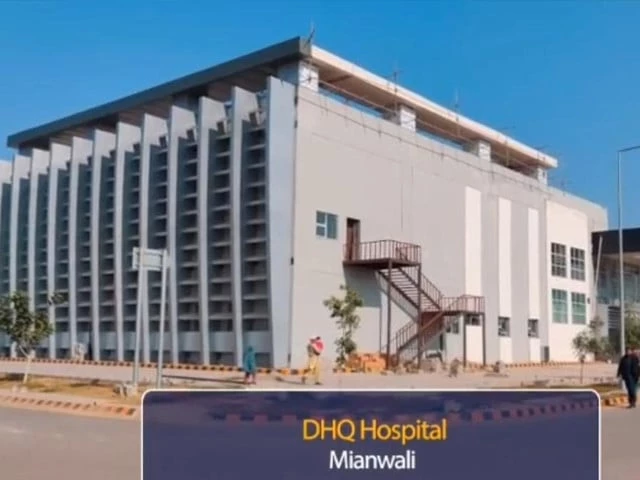
A controversial administrative decision to shift the 450-bed District Headquarters (DHQ) Hospital into a 200-bed Maternal and Child Care Hospital has triggered a healthcare crisis, prompting angry patients and their attendants to stage protests and block roads.
This decision took place a few months ago, just before a visit by a senior government official. Officials reportedly hatched a plan to merge DHQ Hospital with the Maternal and Child Care Hospital, which is named after a rival political figure. The transfer happened overnight; the Mother and Child Care Hospital nameplate was removed and the facility was renamed DHQ Hospital.
The original DHQ Hospital had a capacity of 450 beds and served patients from all over Mianwali district and surrounding areas. In contrast, the Maternal and Child Care Hospital was built with a capacity of 200 beds and was specifically established to provide gynecology and pediatric services.
Authorities moved the DHQ hospital to a smaller facility while announcing plans to convert the original DHQ premises into a medical college and teaching hospital.
However, the move placed the burden of approximately 450 additional beds on a facility designed for less than half that capacity, severely straining its infrastructure and services.
The situation has worsened to the point that, according to local reports, the redesignated DHQ hospital is operating without an emergency department. Patients are reportedly housed two to a bed, while the excessive load has caused the sewage system, kitchen facilities and cooling system to break down.
The extreme summer heat in Mianwali further intensified the difficulties faced by patients and their families, eventually triggering protests outside the hospital.
Protesters blocked a road and demanded that DHQ Hospital be returned to its original building, which they say has remained vacant for months despite the announcement that it would be transformed into a teaching hospital.
The protesters said no teaching hospital had been established in the former premises and the building had not been used for any other public purpose. They argue that patients suffer the consequences of a poorly planned administrative decision.
The controversy has already led to administrative changes. The medical superintendent (MS) of the hospital was replaced, followed by the transfer of the deputy commissioner. However, critics say officials have yet to resolve the underlying crisis and continue to search for a way to manage what is effectively a 650-bed health care system within facilities designed for just 200 beds.


