
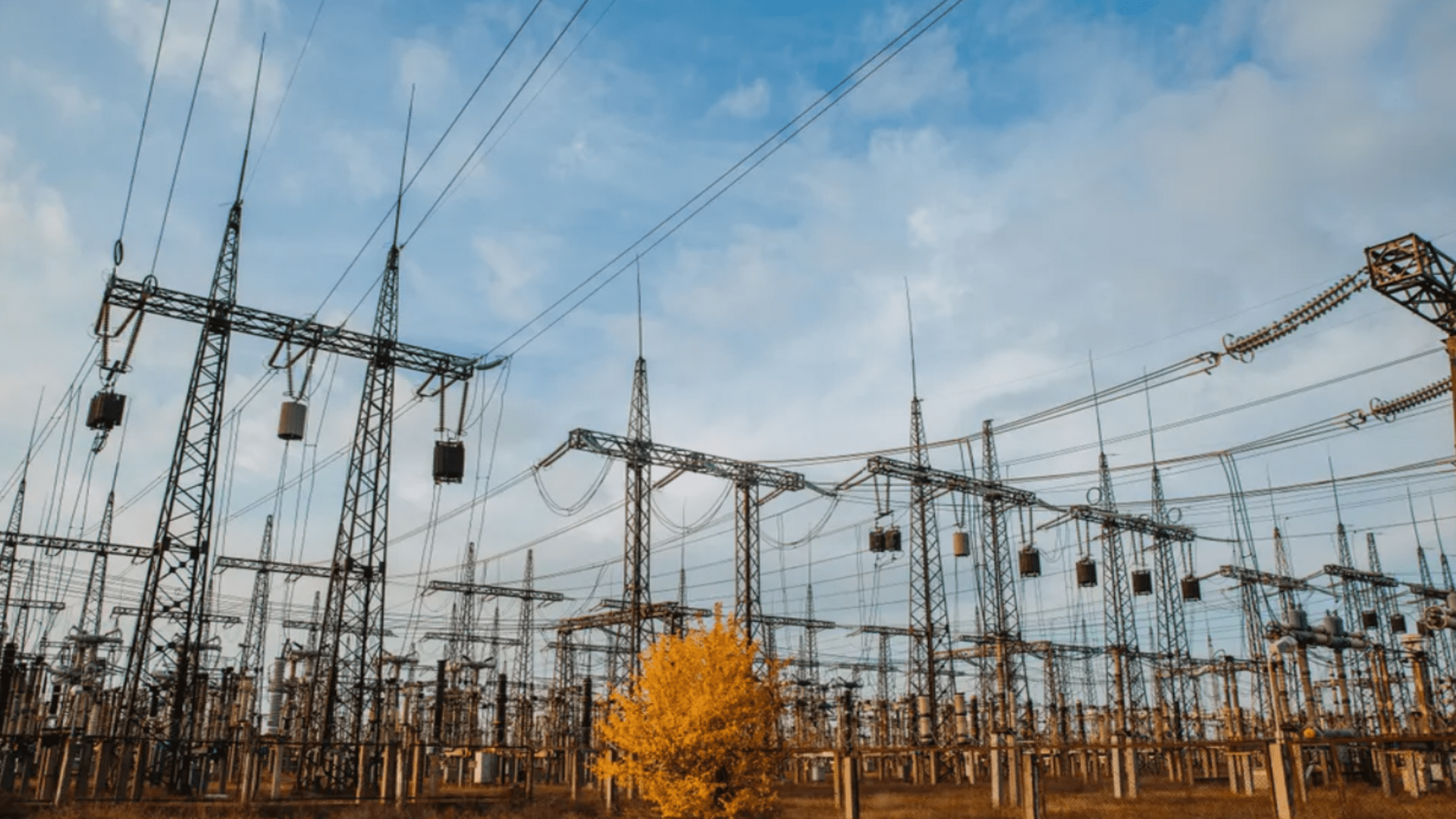
- AI software says hidden grid capacity could ease growing U.S. electricity shortage
- GridCARE says simulations reveal unused transmission capacity in existing electricity infrastructure
- Existing transmission lines could hold much greater capacity than previously estimated
A new software platform claims it can unlock about 300 gigawatts of hidden electricity transmission capacity on the existing U.S. power grid within three to five years.
The technology, developed by GridCARE and led by founder and CEO Amit Narayan, relies on advanced network modeling rather than expensive new infrastructure.
Instead of building additional transmission lines or substations, the platform analyzes the actual operation of the network in real time.

Unleash hidden abilities
The U.S. power grid has traditionally been planned based on conservative assumptions that account for multiple, simultaneous equipment failures.
This approach has left substantial portions of the transmission network underutilized for most of the calendar year, while electricity demand has started to grow strongly again and grid upgrades may struggle to keep pace before 2030.
Data from Bank of America indicates that the country could face a 100 GW electricity deficit over the next four years.
Analysts predict that at least 230 GW of new electricity demand will emerge between 2026 and 2030 alone.
Over the same period, utilities are expected to add just 93 GW of new supply capacity.
This gap between projected demand and available supply has intensified pressure on operators seeking faster solutions.
However, GridCARE says it could shave years off wait times for clean energy interconnection in several regions.
Running quadrillions of simulations
The platform would run quadrillions of simulations to identify where unused transmission capacity remains hidden from conventional planning tools.
By modeling actual network behavior rather than worst-case scenarios, utilities get a more accurate picture of available margin.
This method allows operators to better use existing infrastructure on the network.
The technology was recently discussed on the “Energy Empire” podcast, hosted by Jigar Shah, an American entrepreneur and former director of the Department of Energy’s Office of Loan Programs.
According to Narayan, the 300 GW figure represents a capacity that traditional planning methods have systematically neglected for years.
He says recovering even a fraction of that capacity could significantly ease the constraints facing data center developers and clean energy projects waiting to connect to the grid.
The claims come as pressure mounts on grid operators to meet growing demand for artificial intelligence infrastructure and nationwide electrification trends.
However, no independent testing or verification has confirmed the software’s claims about the extent of its capabilities.
Utilities have historically been cautious about deviating from conservative planning standards that prioritize reliability in the event of equipment failure.
Still, the scale of the projected shortfall – combined with slow lead times for transmission implementation – could push operators toward faster software alternatives sooner than expected.
Via PV magazine

Follow TechRadar on Google News And add us as your favorite source to get our news, reviews and expert opinions in your feeds.


