
- The director eliminated manual entries, making IT more efficient and automated
- Seventy years later, the director’s heritage remains vital for the history of the operating system
- Tourbillon, I led to Sage, transforming American Air Force technology
Seventy years ago, the foundation of modern IT was laid with the development of Director, the first operating system.
On March 8, 1955, its launch marked a computer turning point, shaping the evolution of future operating systems like Windows and the various Linux distributions.
Unlike anterior machines that simply replaced mechanical calculation with electronic components, Whirlwind I processed data using parrallel calculations, considerably improving speed and efficiency. However, as computer tasks have become more complex, the need for automation has become apparent.
Automation of calculation with the director
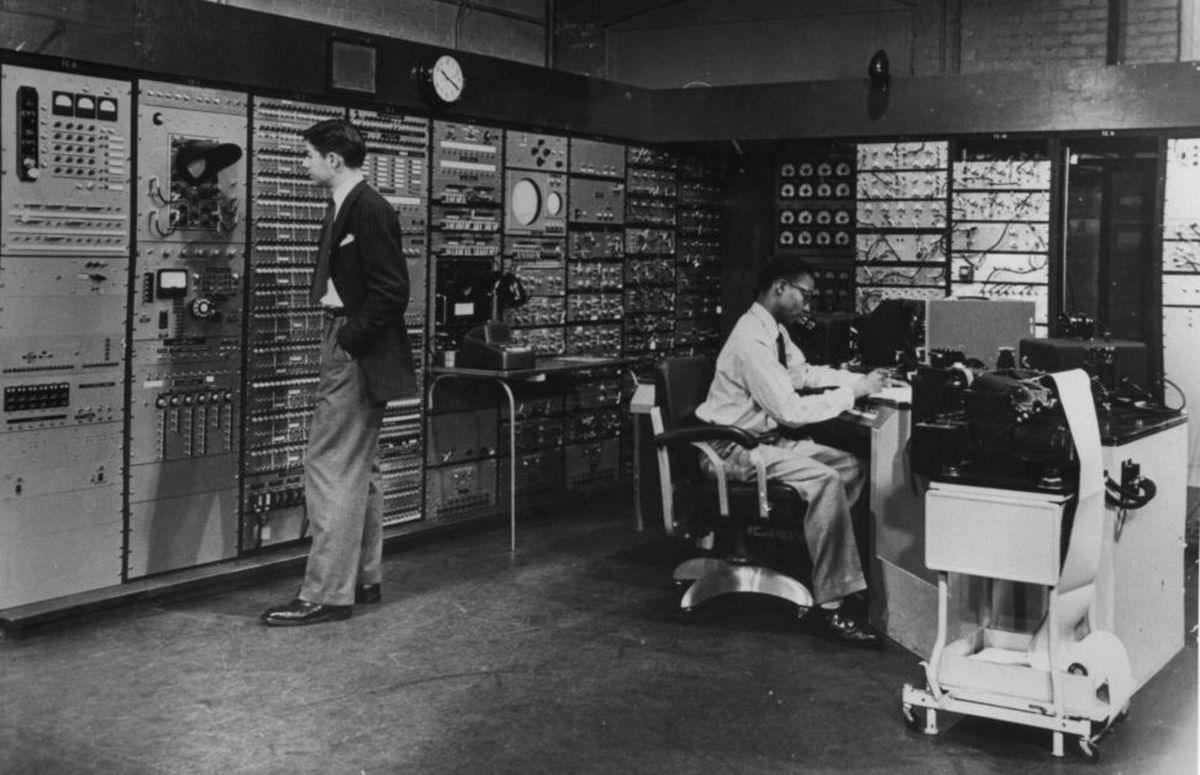
The director was created for the MIT of MIT Whirlwind I, a digital pioneer in real time developed during the Cold War at MIT’s Servomecanism Laboratory.
Seventy years later, the director’s heritage remains undeniable. As a first attempt at automated operating system, he revolutionized software design and prepared the way for future innovations. Today, each modern device that relies on software to effectively manage tasks can trace its roots to this pioneer realization.
At the time, computers were based on strips of perforated paper to store and execute instructions, but the switching between tasks required manual intervention. To remedy this, the director was developed as a system for controlling early work, allowing Whirlwind I to manage several computer tasks without a constant operator entry.
Developed by John Frankovich and Frank Helwig, the director worked by reading a group of special director, which contained predefined instructions which automate the execution of employment. This innovation has introduced treatment with batches, a concept that later became a standard characteristic of operating systems.
Most importantly, the director laid the basics of automated IT, influencing the development of OS / 360 and IBM UNIX.
The impact of Whirlwind I has spread beyond automation, shaping military computer science with its role in the Sage Air Defense system for the US Air Force. Many computers in the 1960s adopted the principles seen for the first time in Whirlwind I, ensuring that the machine and the director have left a lasting brand on the history of computer science.
Via cable


