
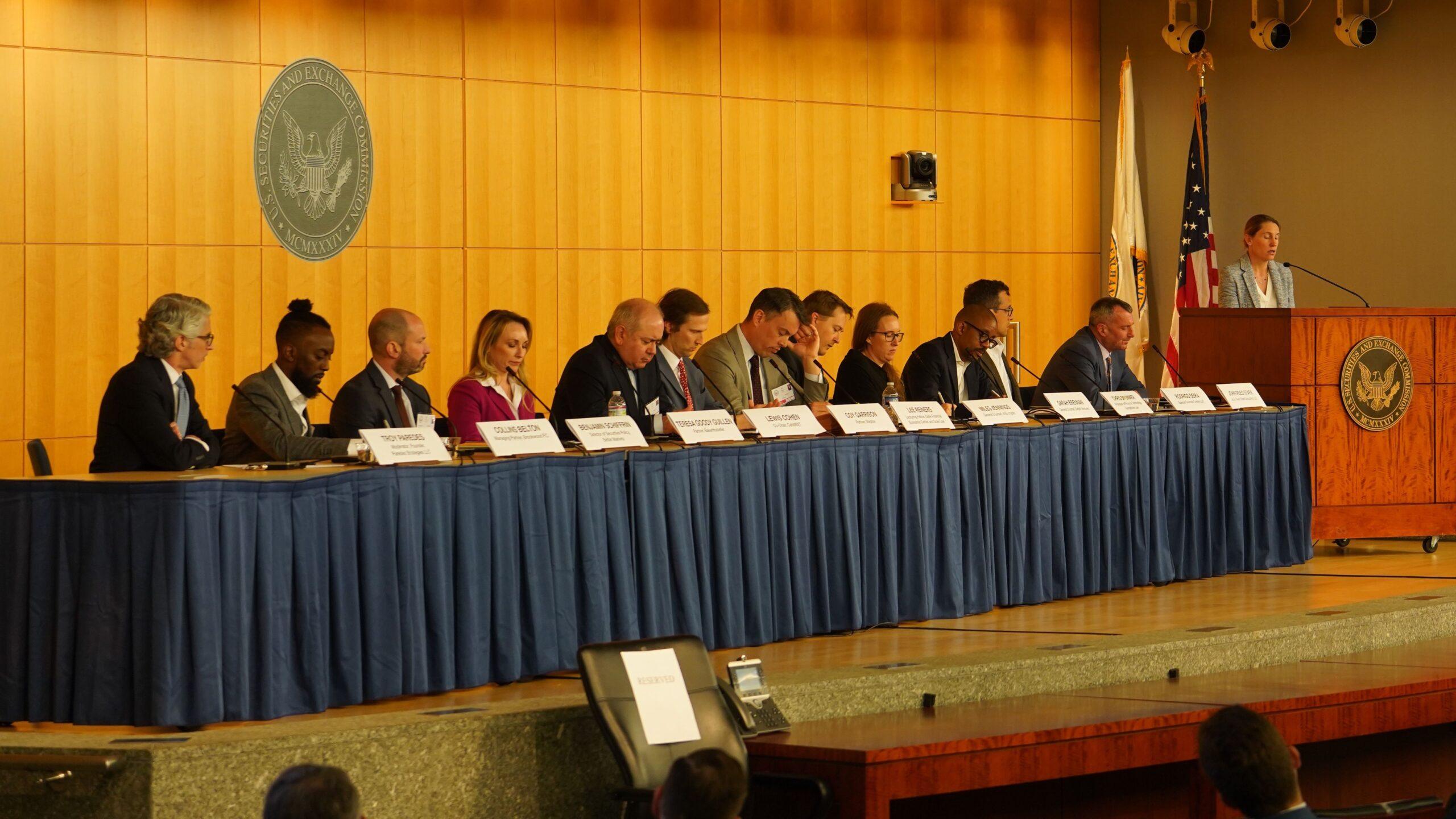
Although the Roundable Table of the Dry SEC Crypto Working Group was a refreshing change compared to the “application by application” approach to the previous administration, it focused on the problems of yesterday instead of proposals that could shape the regulatory framework that will governed crypto in the future.
Since 1946, the question of whether a product is a “security” or a “goods” has been governed by the decision of the Supreme Court in Dry c. WJ Howey Co. The courts have struggled to apply the “Howey” test uniformly to digital assets, which should not be surprising because it is a decision -making decades concerning citrus.
Digital assets do not fit cleanly into the “security” or “goods” bucket. They are something completely new. But the distinction between securities and basic products under the law because the SEC regulates securities and the CFTC regulates products that include products.
The Congress is considering new legislation that resembles last year’s Fit21 bill. This legislation will pass beyond the over-moderated Howey test and will strongly define how specific digital assets are classified.
The Friday round table, which included a dozen eminent crypto lawyers alongside the members of the Cryptographic Working Group, should have served as a starting point for the ideas and the proposals that the SEC could use as a contribution to the legislators considering the new Crypto legislative framework. But, instead, a large part of the discussion focused on the debates old years on the test at four Howey parties and philosophical discussions on the nature of the titles.
Admittedly, some participants in the round table – such as the Advocate General A16Z Miles Jennings – made important proposals, such as Jennings’ call to focus on economic reality rather than on the legal relationship between the transmitter and the investor. But a large part of the time of the panel has been devoted to debate everything about the use of bitcoin in ransomware attacks to the recent SEC staff advice concerning the parts even. Digive the dry and CFTC will probably share the regulatory authority on digital assets in any new legislation, the border between the two regulators is very important for the cryptographic industry. The objective should be the creation of clear rules that transmitters can follow to guarantee compliance, whether their token is considered “security” or “goods”.
Although I applaud the creation by Commissioner Hester Peirce from the Round Table, as well as its characteristic opening and transparency, the Friday round table was a missed opportunity. She should have invited the acting president of the CFTC, Caroline Pham, and her team to participate, or at least to attend. The CFTC has not been mentioned once during the round table, and the cryptographic industry needs the SEC and the CFTC to work together perfectly in the years to come.
The congress is forward with its own answer to the question of when digital assets are titles, whether or not the dry decides to provide a contribution to the congress. For the cryptography industry, I hope that the next round table of Commissioner Peirce focuses on the promotion of ideas that will shed light on the legislation that will shape the industry for the years to come.


