
The regulation of cryptography has traveled a long way. It is no longer a passing game between various government organizations: digital assets now have dedicated supervisors in many regions.
One of the pioneers of space is the regulator of the cryptography of Dubai, the Virtual Assets Regulatory Authority (Vara). What distinguishes Vara is its ability to effectively communicate directives and regulations to cryptographic companies, according to its senior official.
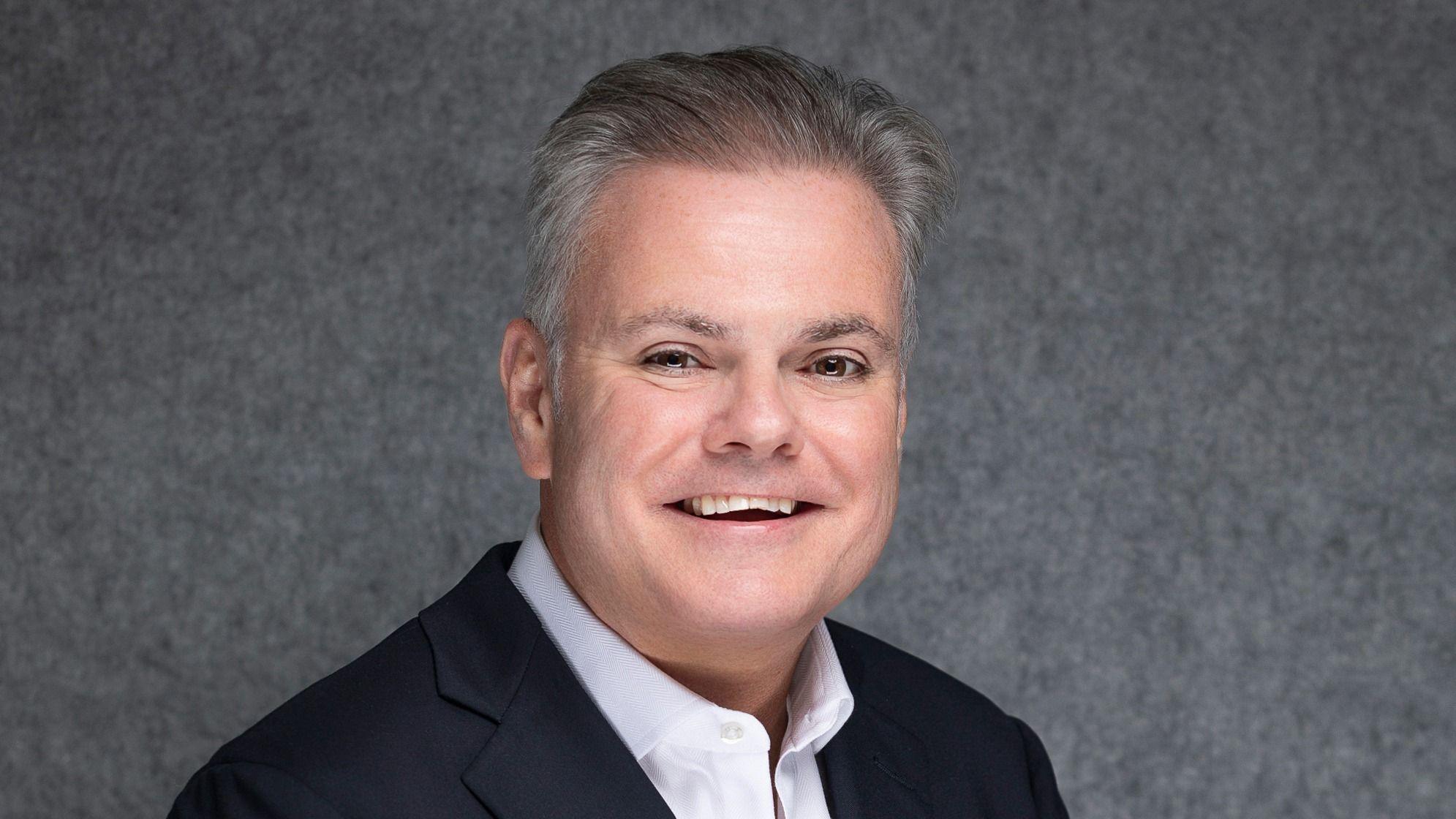
“Set and Forget does not work for crypto, it’s all about feedback and open channels,” said Sean Mchughu, principal director of market insurance at Vara. “As we focus exclusively on the crypto, this allows us to deepen a little more in technology and that our rules are written for the modern era.”
Dubai has become a darling of cryptography, emerging as one of the favorite choices for non-native cryptographic companies to settle and access the region and beyond.
“Dubai is considered a big jump point. We have seen a lot of [crypto] European companies and beyond coming here and the reverse is also true, we see a lot of businesses on the other side of Asia coming here. It is a strategic decision and the regulatory clarity helps them, “added Mchughu.
Tokenization and beyond
The tokenization of the real world, or Rwa, wins a lot of traction in Dubai and for a good reason. The real estate agency of the region, the Dubai Land Department (DLD), recently launched a pilot to register and transfer ownership acts on the blockchain. The Tokenization initiative is encouraged by Vara and the Dubai Future Foundation (DFF).
The integration of real estate into the blockchain could strengthen the massive real estate market of the city. DLD expects to tokenized real estate which increases to 60 billion dirhams (16 billion dollars) by 2033, representing 7% of total real estate transactions of Dubai.
Mchugh, addressing Coindesk at the Vara office, believes that real estate is only the beginning.
“It is very popular, not only in Dubai, but beyond. Dubai has the ability to do things faster,” he said, adding that they also see a lot of precious metallic tokenization projects.
Vara, with her agile approach to regulations, looks closely at space, he said.
“Whether it is real estate, precious metal or another asset, a large part of my concentration on customer protection. So, especially when you come to fractionalization, this brings many new capital and detail investors, which must be protected,” he said.
“We ask a lot of questions about RWA projects, what is the token? What exactly do I have? What is the exchange of liquidity? Cause of investors (institutional or other), they need a liquidity event to go out.
Collaboration internestitutions
Donald Trump administration has openly pleaded for the crypto in the United States and, in the opinion of industry leaders, has pushed other regions to follow suit. This is not necessarily the case for water, in particular with Vara, which was created three years ago, long before the American president became an open supporter of digital assets.
MCHUL believes that interinstitutions cooperation will be the key to global cryptography regulations, but does not see any private agency leading the burden.
“I do not think that we would see a super regulator, regional or other. I think that each agency focuses on its own customers,” he said, adding that the Memorandas of Understanding (MOU) and open communication between the guiding bodies are the means of successfully monitoring the crypto.
Whether it is exchanges, web3 or Rwa, the future of the crypto in Dubai looks brilliant and Mchugh, who was the former director of compliance in Citadel, said that he thought that one of the main reasons is pro-enterprise and the nature of start-ups.


