
Competition for the domination of the stablescoin between a third phase and companies such as Tether, transmitter of the largest token, and Circle, the n ° 2, set up their position while the industry is faced with increased regulations in the form of European Union markets in the crypto-active assets (Mica) and coustody specialists.
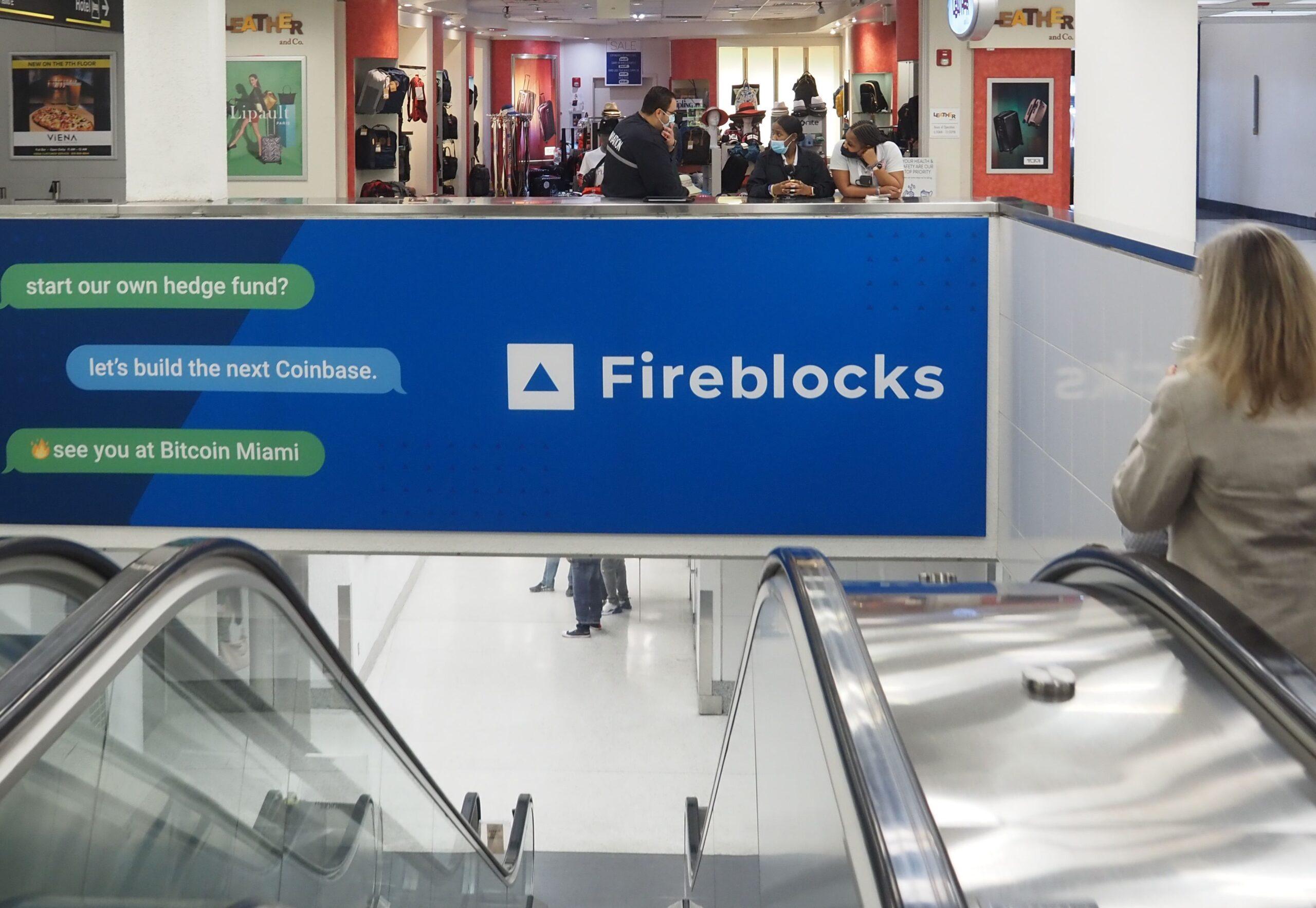
This last step will feature banks, large and small, as well as the payment companies in place which assess the best way to integrate tokens into their existing companies, according to Ran Goldi, please of payments at Fireblocks.
The stablescoins, the blockchain -based tokens that imitate the US dollars for the most part, have become a large business. Tether’s USDT is the clear leader, with market capitalization nearly $ 145 billion. The Circle USDC has more than $ 60 billion in circulation and the company is considering public registration on the New York Stock Exchange. The Stablescoin market could reach 2 dollars billions by the end of 2028, Standard Chartered said in a note on Tuesday.
“We are going to see banks emitting stablecoins because they are under mica,” said Goldi in an interview. “You see financial institutions that enter the ends such as Robinhood, Ripple and Revolut. At the end of this year, you may see 50 more stablecoins.”
The industry has already crossed two stages, said Goldi. The first occurred when the USDC faced against the American regulated commercial company Paxos, which had partnered with Crypto Exchange Binance to issue Busd. For regulatory reasons, Paxos had to drop Busd and therefore Circle won this tower, said Goldi, adding that the new USDG consortium in Paxos increases in stature and likely to play a major role in the future.
The second step was between the circle and the coast.
“The USDC was trying to be larger than the USDT, but then USDC plummeted with the collapse of Silicon Valley Bank, etc. It was more difficult for people to accept this product, especially people outside the United States, in the meantime, USDT has really grown.
It should be noted, however, that the USDC is dismissed under Mica, which gives it access to 27 EU countries with a total population of around 450 million people. USDT is not.
International payments growth
Stablecoins have taken importance as an essential means of moving money between volatile cryptocurrencies, meeting a particular need given the shortage of fiat of the industry on and out of ramps. Dollars of coins of various kinds flourished more with the explosion of decentralized finance (DEFI).
Looking further, the first days of the crypto show an evolution of payment service providers (PSP), starting with those who wanted to use cryptocurrencies to settle their bills. This was followed by a second wave of corporate PSP to companies like Bridge, recently acquired by Stripe, and Zero Hash, Alfred Pay, Dif and others.
“Some of these PSPs are companies that you may not have heard much about it, but they actually move billions of staboins, serve companies to pay for other companies most of the time,” said Goldi. He pointed out that less than 20% of the total volume of Fireblocks transactions was floors in 2020, going to some 54% last year.
For a typical use case, consider an importer in Brazil who wants to bring a container and pay someone to Türkiye or Singapore. He takes the Brazilian reals, converts them into a stablecoin and sends the funds directly to the exporter or changes them into a destination currency and pays with this, said Goldi.
Some banks have already learned the use of cross -border payments, with Braza Bank in Brazil, BTG Bank and DBS in Singapore aimed at commercial customers with accounts that support Stablecoins. Others always weigh the best use case for them.
“We were approached by dozens of banks,” said Goldi. “They ask if they should be ramps on / out of ramps or reserves, or perhaps they plan to issue a stablecoin. There are several things that banks can do to earn money from stablescoins, from credit to ramps on / deactivated at FX. ”
Based on these conversations, Goldi said he thought that most banks write strategic plans that will probably be subject by the end of this quarter.
“It will be interesting to see if the banks build something for themselves, or use Bny Mellon, for example, which serves banks, or a seller like Fireblocks. I think that major level 1 banks like JPMorgan, Citi and Morgan Stanley will build their own technology, while level 2 banks will want to use a hosted technology provider, “said Goldi. “Of course, they are banks and they move slowly, so I think they would seek to approve these plans by the end of this year and may do something in 2026.


