
- The CEO of Intel would have addressed staff members worldwide
- Lip-BU tan apparently presented very frank observations and clear objectives
- All this indicates an accent on rationalization and also the introduction into the AI arena – but not to directly catch Nvidia, but with a so -called edge
The CEO (relatively) of Intel (relatively) apparently admitted the severity of the difficulties that the company is confronted, but it seems that Lip -Bu Tan has a recovery plan – and a realistic sound to this.
Oregonian reported on the recording of a question-answer session with Tan (spotted by Tom equipment), which was distributed to Intel staff around the world, and very interesting comments were made by the Director General.
Take all these quotes with a certain caution, but we are told that Tan observed: “20, 30 years ago, we are really the leader. Now, I think the world has changed. We are not in the top 10 of semiconductor companies.”
It is a frank entrance, and one of the many that have been made here. Tan has said that the layoffs currently underway at Intel mark the start of an “marathon” effort to make the business more agile and agile, like rivals such as AMD and Nvidia – and that intel should be “humble” now.
The CEO also admitted that “there was a lot of work to do” in terms of recovery of the market loss of data centers (Turf where the EPYC chips of AMD have made serious progress).
A difficult period for Intel
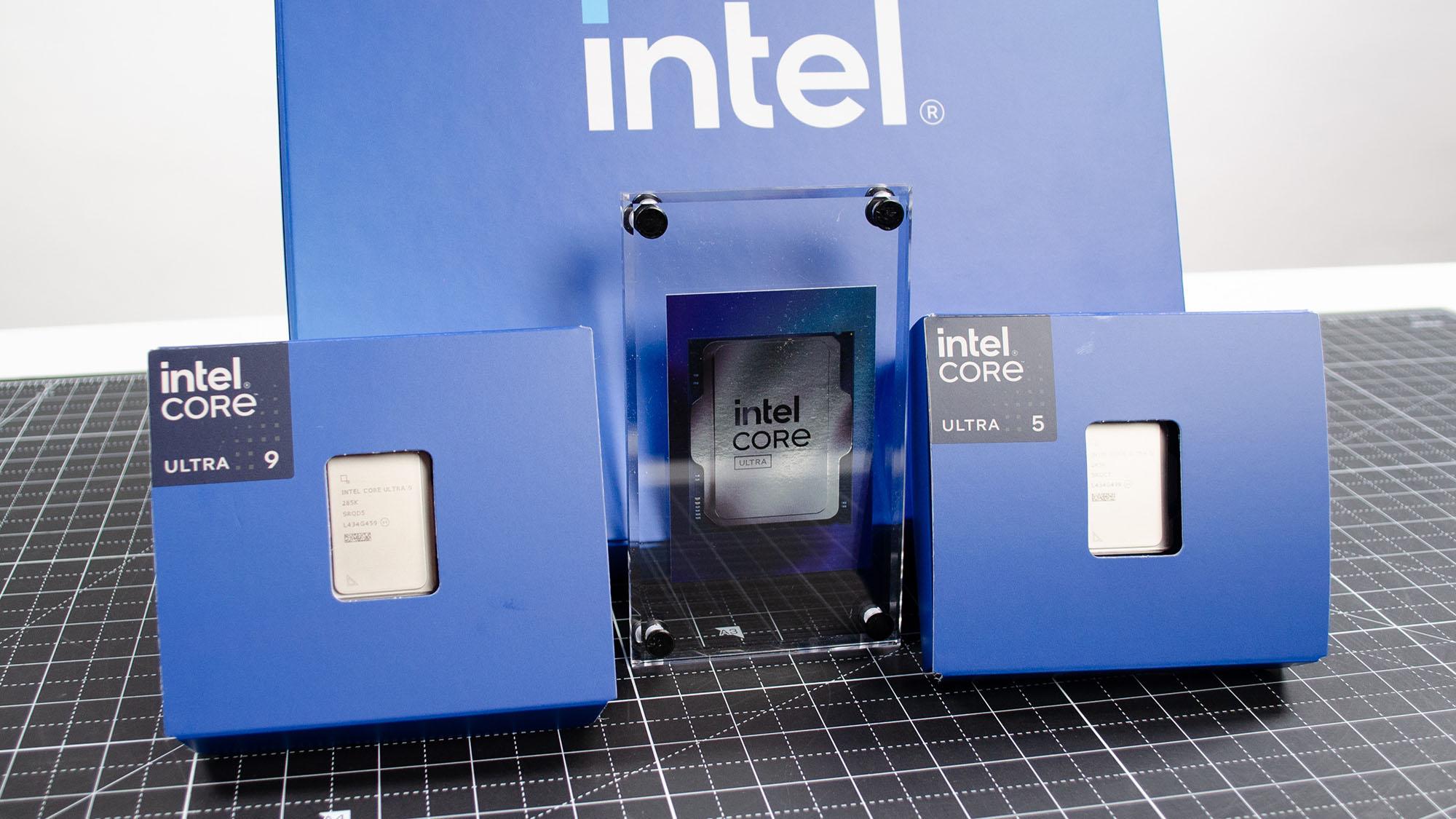
Intel has, of course, confronted several problems in recent history, and the most thorny (with regard to consumers) are the various failures around the most recent office processors in Team Blue. This includes instability problems with previous generation processors and a disappointing performance of the ARROW current generation lake chips in terms of play prowess, which all tarnished Intel’s reputation among buyers and PC enthusiasts.
Tan noted that Intel’s PC activity “is a little better” but that it had to strengthen its architecture in terms of satisfaction of the requirements of “advanced computer science”, and a key area is AI.
In the AI sphere, Tan was again frank in terms of Intel missing the boat, saying that: ” [AI] Training I think it’s too late for us, “because Nvidia is just” too strong “on this market at this stage, which is clearly the case.
However, Tan envisages a breakthrough for Intel in terms of on -board AI, which means bringing AI directly to the devices (as opposed to online access, via the cloud). The CEO is enthusiastic: “This is an area that I think to emerge, to come very large, and we want to make sure that we capture.”
Another great opportunity for Intel, playing Tan’s game book in writing, is the AI agent, like chatbots that can manage tasks independently – at least to a certain extent. Below, we are considering a proactive AI by acting on the set objectives (rather than simply reactive robots).
In order to progress Intel’s ambitions of Intel, we are told that large hires are underway, including three new vice-presidents that have been brought on board to better draw from the AI arena.
Analysis: a defined vision (in theory) – and a type of brutal clarity
Tan does not make any illusions as to the coming task, and his words are chosen to reflect this (again, with the warning that we must be properly skeptical around these quotes). It will be a marathon, and Intel’s turnaround will not occur quickly – and the path of recovery is rather brutal.
Oregonian (Oregonlive) had previously reported the intention to dismiss 529 Employees of Intel in Oregon, which would occur next week, and other job losses in California, Arizona and Israel, of which we have all heard recently (and none have been confirmed publicly). Manufacturing jobs are reduced to 20%, marketing is closed and outsourced, and the automotive division is closed.
Okay, so all of this remains rumors, but there is a lighter feeling of direction and more of a feeling of realism here, compared to the Pat Gelsinger era (the previous CEO in Intel). The focus on rationalization is, as indicated, a difficult choice to make, but refocusing is clearly necessary to some extent. It is not in the secret troubles of Intel, especially since its last architecture, the 18a process, would be wading, with the Blue team changing to promote the successor, 14a, at least for external customers.
The AI is obviously a high -value target on which also capitalize, and Tan’s plans seem to be realistic again – not trying to catch Nvidia, but so that Intel can shake its own territory in terms of AI available. Indeed, there is already a rumor according to which with its next generation of office processors, which is in theory Arrow Lake refreshing later this year, Intel focuses on the implementation of a much more robust NPU (flea to accelerate AI tasks on the device). This could allow Copilot + features on an office PC for the first time, as I recently discussed more in depth.
Some pieces of this puzzle may already move in place. It will be interesting to see which signals – and words – Tan uses in future official declarations and income calls, and in fact, if this more humble and more realistic thought of thought, like rumor, emerges.


