
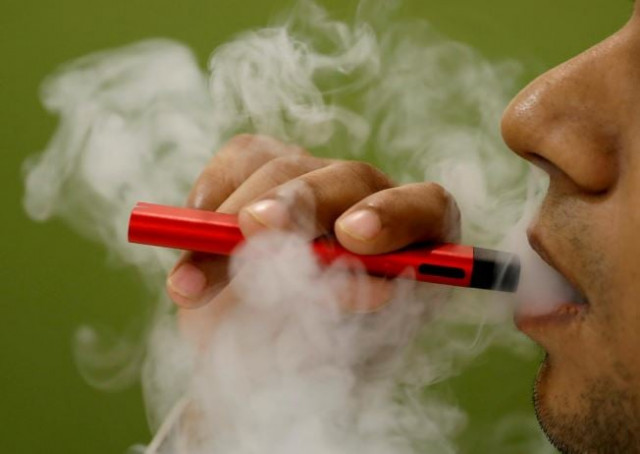
In a major initiative to protect young people from nicotine addiction, a new bill has been introduced to the Senate Standing Committee on Health to strictly regulate the sale and use of electronic nicotine delivery systems, commonly known as vapes and electronic cigarettes, in the federal capital.
The Electronic Nicotine Delivery Systems (Regulation) Bill, proposed by Senator Sarmad Ali, comes amid growing concerns about the “vaping epidemic” among students.
The proposed legislation introduces a comprehensive framework to control the importation, marketing and distribution of these products.
The strictest provision of the bill is a total ban on the sale of e-cigarettes within 50 meters of any school, college or educational institution.
The measure aims to dismantle the easy access students currently enjoy to flavored nicotine products. Additionally, the bill proposes a strict age limit, making it illegal to sell vapes to anyone under 18 years old.
The legislation aims to treat vaping the same as traditional tobacco products. If passed, vaping would be banned on public transportation, government offices, public parks and other shared community spaces.
The bill also provides for a total ban on vaping advertisements. This includes banning the promotion of e-cigarettes on television, social media and billboards, specifically targeting marketing tactics that appeal to minors.
Meanwhile, to curb the sale of dangerous and unregulated e-liquids, the bill imposes nicotine caps, calling for a maximum nicotine concentration of 40 mg/ml. It was further stated that all products must have child-resistant and tamper-proof packaging and mandatory health warnings must be displayed prominently on each package.
The bill states that e-commerce platforms selling vapes will be required by law to implement robust age verification systems.
The proposed law carries significant legal weight. Violators of the age and location restrictions face an immediate fine of Rs 50,000 for a first offense. Repeat offenders and those trafficking in non-standardized e-liquids could face even heavier fines and possible legal action.
The Senate Standing Committee on National Health Services recently deliberated on the project, with officials pointing out that while e-cigarettes are often marketed as “safe,” they pose long-term risks to the respiratory system health of young users.
The bill is currently being reviewed by relevant ministries to ensure that a comprehensive enforcement mechanism is in place before it becomes law.
Reports indicate that there has been an alarming increase in vaping among young people in Pakistan. In a recent study among university and college students in Karachi, the prevalence of vaping was 68 percent.
The recent increase in vaping-related illnesses and deaths around the world is a stark reminder of the dangers of these products. Nicotine addiction, respiratory problems, and cardiovascular disease are just some of the health risks associated with vaping. So far, research has identified more than 2,000 toxins in each vape puff.


