

- A new report estimates that GPU prices have increased 15% globally over the past three months.
- High-end Nvidia graphics cards hit hardest by price hike
- The United States suffers from some of the most spectacular price increases
If you needed confirmation that GPU prices are rising, a new report shows that graphics cards are definitely getting more expensive across the world, especially for certain Nvidia models.
As VideoCardz pointed out, TechSpot compiled statistics involving tracking 14 GPUs (from AMD, Intel and Nvidia) in 10 regions around the world, using local price comparison websites to find the cheapest products from retailers in those countries. Only prices for models in stock and available for purchase were used, as you might imagine (cheap, sold-out GPUs aren’t good for anyone).
TechSpot collected the first pricing data in November 2025, before graphics card prices started to rise – a side effect of RAM shortages, which of course also affected video memory. The second round of data was collected this month, providing roughly a three-month snapshot of rising GPU costs across the world.
Overall, there was an increase of 15% on average across all models and regions. In other words, a graphics card that cost $300 a few months ago now costs $345.
Nvidia graphics cards are clearly the hardest hit by price inflation. It probably won’t surprise you that the RTX 5090 is the worst offender, as we’ve already observed that the asking price for this flagship Blackwell GPU has exploded since early 2026 (and it was already expensive).
TechSpot estimates the overall RTX 5090 increase globally to be 31%, although in the US it’s particularly strong at 40% (it’s actually 50%, or a bit more, in India and Poland).
The situation for Nvidia’s RTX 5080 is almost as bad, with a 25% increase, the same as the RTX 5070 Ti. Again, in the US the inflation for these two GPUs is around 40%, much higher than in many other countries.
Low-end Nvidia models don’t fare so badly against inflation. The RTX 5060 models are only up 10-11%, which isn’t that great (especially not when compared to the rising price of RAM, of course). The RTX 5070 is up 14%, but there is one notable outlier: the RTX 5060 Ti 16GB is up 22% globally.
Outside of Team Green, the increases with AMD GPUs aren’t as bad. The worst offender on the Radeon side is the RX 9060 XT 16GB, which is up 15% globally, which is certainly an unwelcome jump. The RX 9070 models, however, are only up 7 or 8%, which is relatively acceptable.
There are more uncomfortable changes in the US retail market, with the 9070 XT up 21% over the past three months and the 9060 XT 8GB jumping 20%. So it’s pretty brutal in both cases.
As for Intel, the Arc B580 saw its price increase by 11% globally, but the B570 only saw inflation of 4%.
Analysis: a worrying future?
Theories have been circulating that Nvidia is prioritizing AI GPUs over gaming models (GeForce) since VRAM supply has become shakier, and this evidence seems to support those notions. Obviously we can’t say too much, but any way you slice these stats, Nvidia’s graphics cards are very much hit with the worst increases, especially at the high end of the GPU spectrum.
The RTX 5090 frankly remains ridiculously priced in the US, with Newegg’s cheapest model currently maintaining an asking price of $3,600. (Which means buying a pre-built Alienware PC with an RTX 5090 inside only costs about 25% more, and you get plenty of matching high-end kits for the extra extra, including very expensive RAM, naturally).
The rumor that supply is decreasing with the RTX 5070 Ti – which has 16 GB of VRAM – and also the RTX 5060 Ti with the same video memory load, seems to be supported by what TechSpot observes here. The price of these GPUs has risen sharply (25% and 22%, respectively), suggesting that inventory may be shrinking, causing prices to rise due to demand.
All of this gives grist to the rumor mill theory that Nvidia’s graphics cards with higher VRAM loads suffer because AI GPUs (with huge memory pools) must take priority, as they bring in much more profit for Team Green.
The worry here is what the future holds and whether this type of uptick will continue – or even extend further to AMD’s RDNA 4 GPUs. With no signs of the RAM pricing crisis easing, the impacts on graphics card makers are likely to continue to be felt perhaps even more intensely as this first half of 2026 progresses.
Building a PC has certainly become a miserable business, with the huge increase in the cost of system RAM, as well as storage following a similar upward price trajectory, and now GPUs are bringing a little more chaos into the mix.
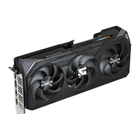
The best graphics cards for every budget
Follow TechRadar on Google News And add us as your favorite source to get our news, reviews and expert opinions in your feeds. Make sure to click the Follow button!
And of course you can also follow TechRadar on YouTube And TikTok for news, reviews, unboxings in video form and receive regular updates from us on WhatsApp Also.


