
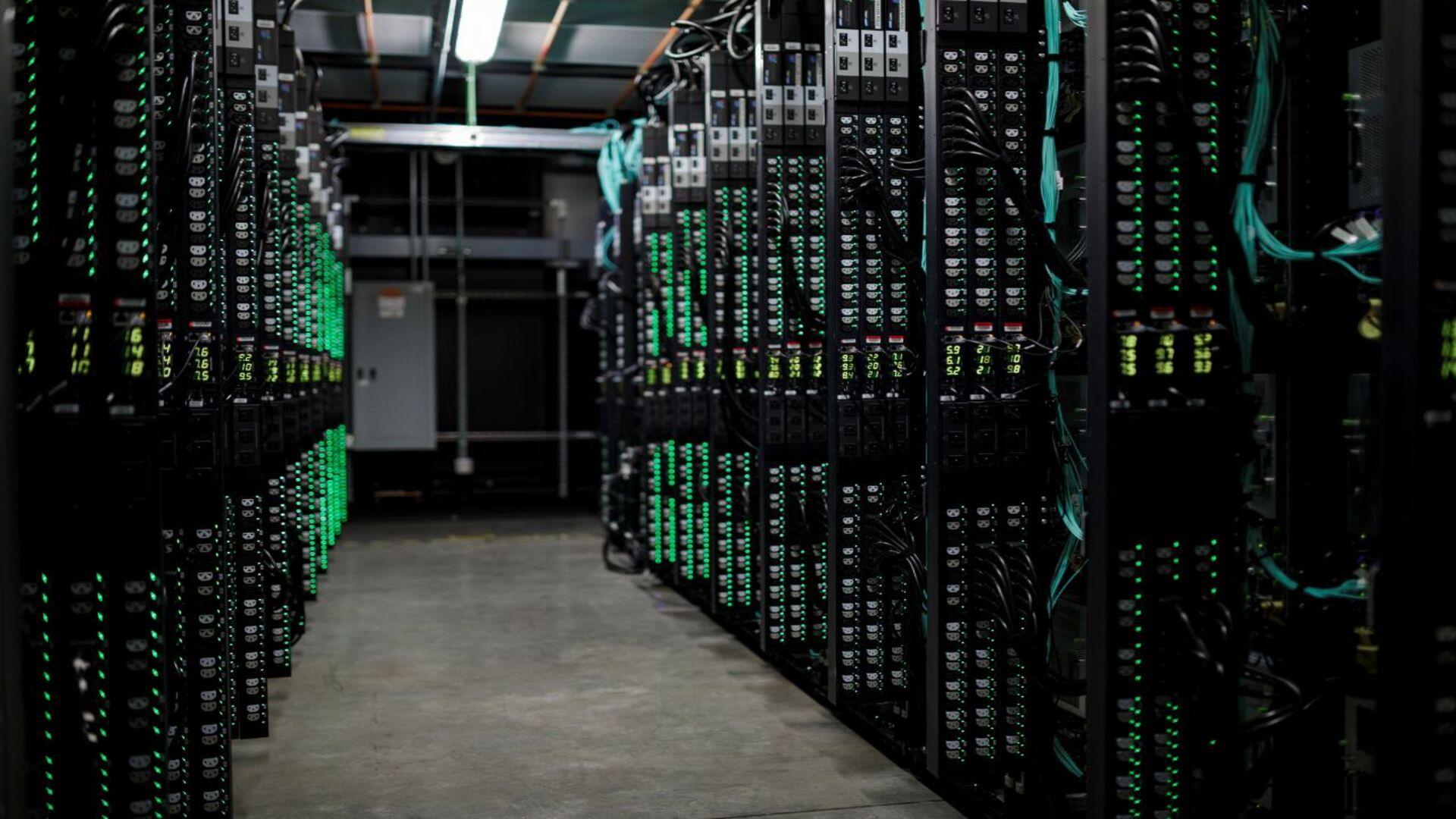
- AI data centers produce extreme heat islands that extend miles beyond the facility
- More than 340 million people experience high temperatures due to large-scale AI installations
- Extreme temperature spikes of up to 16.4°F recorded near data centers
The expansion of AI-driven data centers has a more immediate environmental impact than previously thought, experts warn.
A research team led by Andrea Marinoni of the University of Cambridge says these installations, which often span more than a million square feet, not only consume enormous amounts of energy but also generate extreme local heating effects, called heat islands.
Marinoni says “there are still large gaps in our understanding of the impacts of data centers,” emphasizing that these effects have been largely overlooked.
Article continues below
Measuring heat impacts in global AI data centers
The team analyzed temperature data from more than 6,000 large-scale installations over the past two decades, carefully accounting for global warming trends, seasonal changes and other local influences.
The study found that surface temperatures near data centers increased by an average of 3.6°F after operations began, with extreme cases seeing rises of up to 16.4°F.
These heat increases extend far beyond the immediate facility, sometimes affecting areas up to 10.2 miles away.
When affected areas were mapped against population data, more than 340 million people across North America, Europe and Asia were affected, facing high local temperatures.
Observations in Mexico’s Bajio region and Aragon, Spain, revealed temperature increases inconsistent with those in surrounding provinces.
This suggests that the heat effects were directly attributable to the data centers themselves rather than other environmental factors.
“The planned expansion of data centers could have significant impacts on society,” Marinoni said.
Experts express concern over the rapid pace of AI infrastructure development, which could outpace sustainable planning.
“The ‘AI gold rush’ appears to be trumping good practice and systems thinking… and growing much faster than any larger, more sustainable system,” said Deborah Andrews, emeritus professor at London South Bank University.
However, experts say more research is needed to confirm these findings, especially given the unusually high local temperature spikes reported.
The long-term consequences of energy-intensive AI operations deserve greater attention, as climate discussions have historically focused on emissions rather than the direct effects of heat.
Rethinking data center design and operational strategies could enable continued expansion of AI while minimizing additional heat stress on neighboring communities and ecosystems.
In a world already facing increased extreme weather events, the rapid proliferation of extremely hot data centers could amplify local and regional environmental challenges.
Energy emissions remain a major concern, but localized warming caused by large-scale installations adds a new dimension to environmental risk that must be assessed.
By CNN
Follow TechRadar on Google News And add us as your favorite source to get our news, reviews and expert opinions in your feeds. Make sure to click the Follow button!
And of course you can too follow TechRadar on TikTok for news, reviews, unboxings in video form and receive regular updates from us on WhatsApp Also.


