
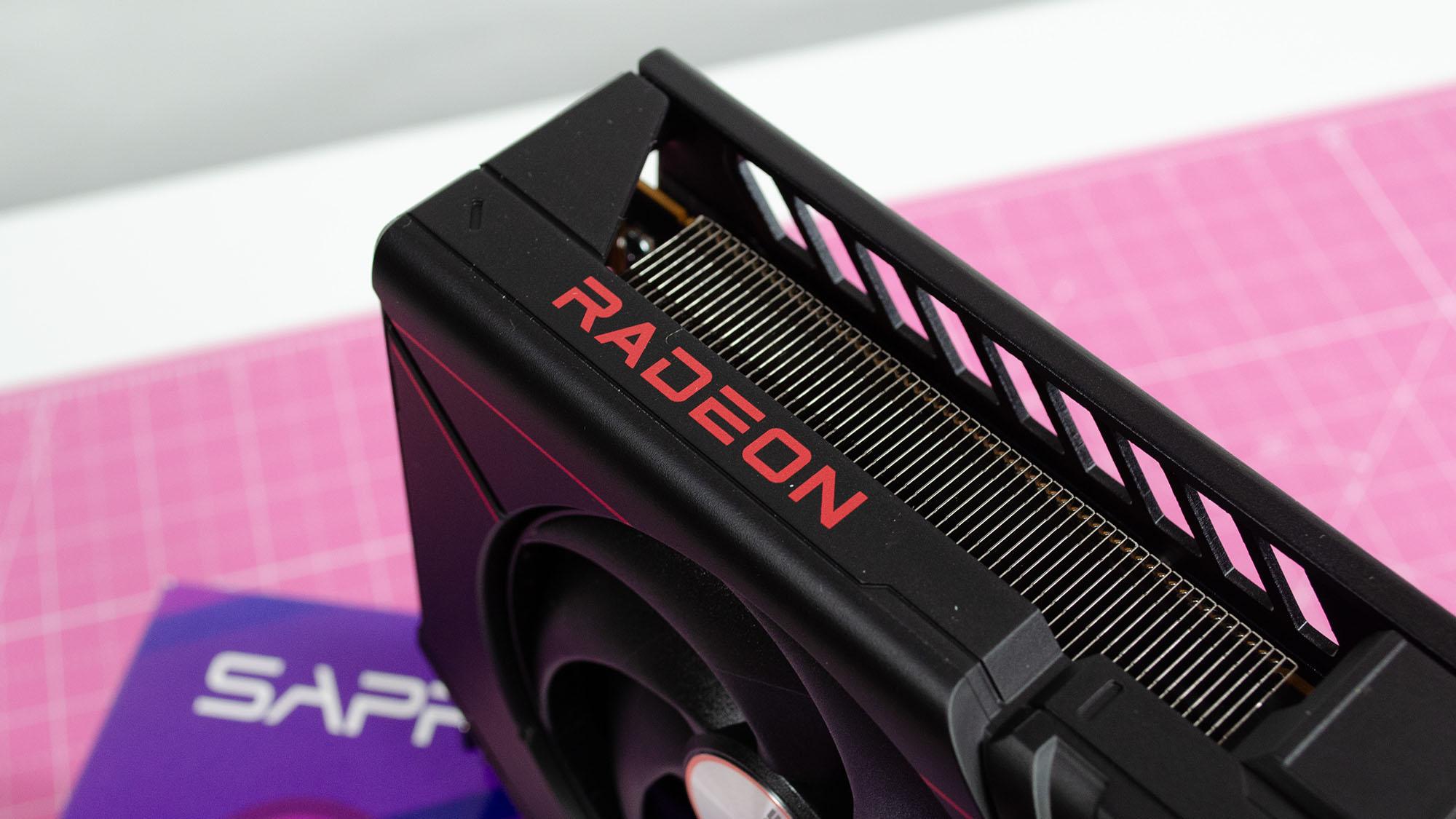
- AMD can prioritize the price compared to specifications with the 32 GB limit of the Radeon Pro W9000
- AMD Radeon Pro W9000 targets real world professionals rather than workflows of data science IA-Havey Data
- With a 356 mm² matrix size, the Radeon W9000 could still hit hard in real world tasks
AMD should extend its workstation GPU range with the imminent version of the new Radeon Pro W9000 series, built on RDNA 4 architecture. This chip targets professionals who work in demanding fields such as video edition, 3D rendering and AI development.
A Hoang Anh Phu leak says that the range will include a 32 GB model based on the new Navi 48 XTW architecture.
AMD is supposed to continue NVIDIA, but the RTX Pro 6000 Blackwell has a huge 96 GB frame stamp and 24,064 Cuda cores. It is well beyond the configuration of 32 GB that AMD seems to offer, suggesting that the Radeon Pro W9000 could target professionals who do not require large sets of data and assess performance by dollar, as well as efficiency and affordability.
Does AMD change his approach?
As with all unconfirmed rumors, details must be taken with a grain of salt – but if it is correct, the leak suggests a change in the way AMD prioritizes performance compared to the cost. The previous generation Radeon Pro W7900 included 48 GB of memory, so the 32 GB – probably GDDR6 – is a reduction.
Although the capacity is lower, the Navi 48 XTW matrix, measuring 356 mm², should always make performance improvements on a wide range of tasks.
It is also likely to provide advantages to CAO workloads, made CGI and real -time simulations, areas where the best laptops for video publishing or Photoshop also show gains.
The chip should be available in XL, XT and XTX variants, each set to different professional needs. The XTW model is supposed to include optimized hardware improvements for pro work flows, making it a strong option for users needing a GPU for production quality tasks.
As Phu, a leak of known equipment, noted it, “it is not as strong as the latest generation, but the price remains the key.”
A remaining question is the management of the software. RDNA 4 does not yet have complete integration with the ROCM platform of AMD, which is essential for the developers of AI and automatic learning.
Although the final specifications and an official name are always under the Wraps, all the signs indicate a strategic revelation aligned with Calpex 2025 and the “Advancing AI” event in June 2025.
Via Toms equipment


