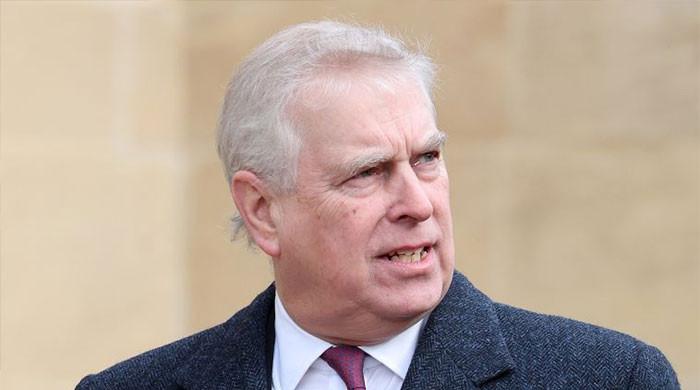
Plans to officially remove Andrew from the line of succession may seem decisive, but according to a former attorney general, they are probably more fanciful than feasible.
Following Andrew’s arrest on suspicion of misconduct in public office, discussions have reportedly begun in Downing Street to remove him from the line of succession altogether.
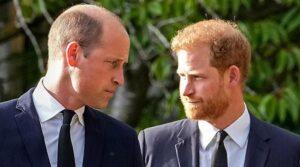
Although currently eighth behind the Prince of Wales, his three children, Prince Harry and Harry’s two minister children, are said to be questioning whether a clean constitutional break is necessary.
Defense Minister Luke Pollard was among the first senior Labor figures to publicly support the idea, saying it would be the “right thing to do”, but only once the investigation was complete.
Speaking on News from Great Britain, Sir Michael Ellis, former attorney general of England and Wales, rejected the proposal as constitutionally flawed and politically unwise.
Changing the succession is not just a decision for Westminster. Any changes would require the agreement not only of the British Parliament, but also of those of the 14 other Commonwealth realms where the monarch remains head of state.
Beyond this, Australian states and Canadian provinces should also pass corresponding legislation.
The last time such an international legislative relay took place was more than a decade ago, when reforms modernized inheritance rules and lifted restrictions on marriage to Roman Catholics.
Sir Michael suggested that repeating such an effort for Andrew would be disproportionate, particularly given the low likelihood of him attaining the throne.
He even referenced the classic dark comedy Kind Hearts and Coronets, which claimed that only a chain of extremely improbable events would make Andrew sovereign.