
- Asus confirms there will be no new phones for 2026 – leaving Zenfone and ROG ranges frozen indefinitely
- Smartphone profits decline as users upgrade slower and hardware gains seem marginal
- Chinese brands are cutting margins, making annual phone launches risky for smaller brands
Asus has confirmed that it will stop producing new smartphone models, effectively freezing the Zenfone and ROG Phone product lines.
The company’s CEO Jonney Shih made the statement at a recent corporate event in Taiwan, clarifying that no new mobile phones are planned for 2026 and beyond.
Stating, “Asus will no longer add new mobile phone models in the future,” Shih avoided talk of a permanent release, but his language indicates an indefinite shutdown rather than a temporary delay.
The market realities behind the decision
Asus has not presented any concrete conditions under which smartphone development would resume, leaving the future of its mobile division uncertain.
The smartphone industry has reached a point where annual hardware improvements rarely justify the cost of constant redesign and manufacturing.
Rising device prices have slowed replacement cycles and consumers are holding on to their phones longer than before. For brands without a dominant size, this creates persistent profitability problems.
Asus operates outside of the major volume leaders and faces intense competition from Chinese brands that launch devices frequently and at lower margins.
Under these conditions, maintaining an annual release schedule becomes increasingly difficult.
Asus is not the first company to withdraw from smartphones under financial pressure. LG followed a similar path after years of losses, reducing its outputs before shutting down its mobile division entirely.
No Android manufacturer that paused smartphone development has managed to come back at scale, because once brand visibility declines and software support weakens, regaining consumer trust becomes costly and uncertain.
Zenfone devices have focused on compact designs and modest pricing, but have fallen behind competitors in terms of software support commitments.
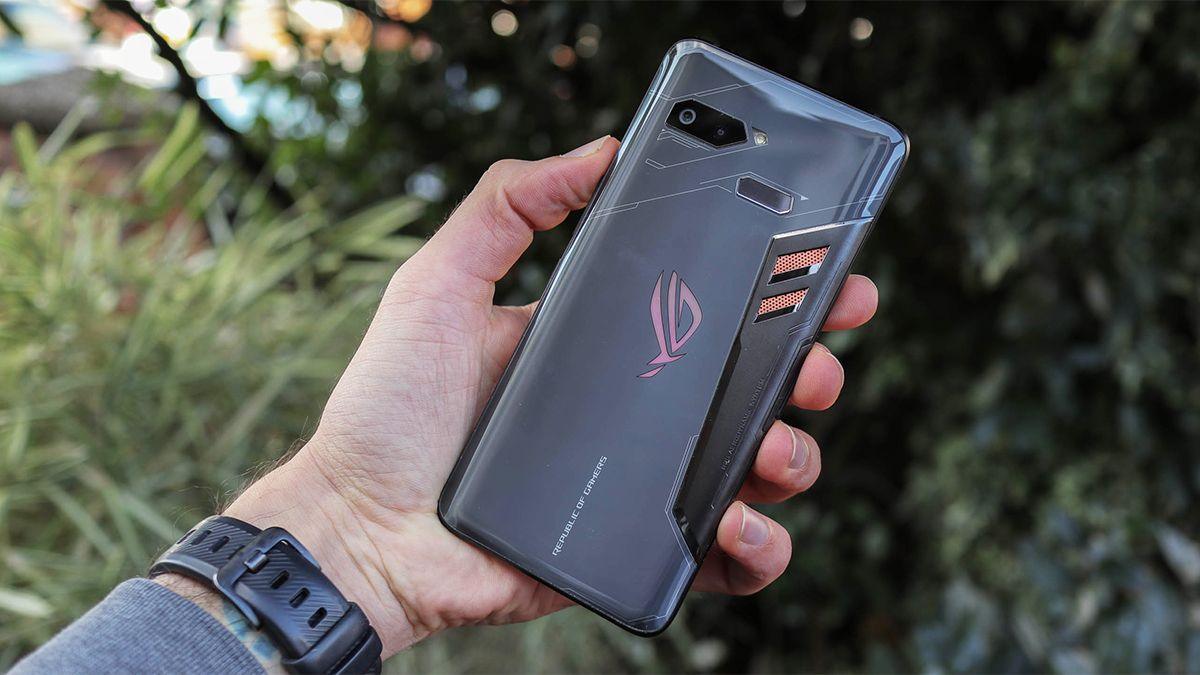
ROG Phones were aimed at a gaming-focused audience with advanced cooling, high-end processors, and distinctive accessories.
These devices were expensive, with prices exceeding those of traditional flagships, while serving a relatively small customer base.
Limited update guarantees have further reduced their appeal, especially for users looking for long-term reliability or business phones with predictable support lifecycles.
Asus reported revenue growth driven largely by its AI server business, which has expanded rapidly over the past year.
The company now plans to focus on AI tools, including servers, robotics and smart wearable devices.
This shift reflects the calculation that continued investment in business phones offers lower returns than emerging AI infrastructure markets.
The viability of this strategy will depend on how crowded and competitive these AI segments become over time.
Via Arstechnique
Follow TechRadar on Google News And add us as your favorite source to get our news, reviews and expert opinions in your feeds. Make sure to click the Follow button!
And of course you can too follow TechRadar on TikTok for news, reviews, unboxings in video form and receive regular updates from us on WhatsApp Also.


