
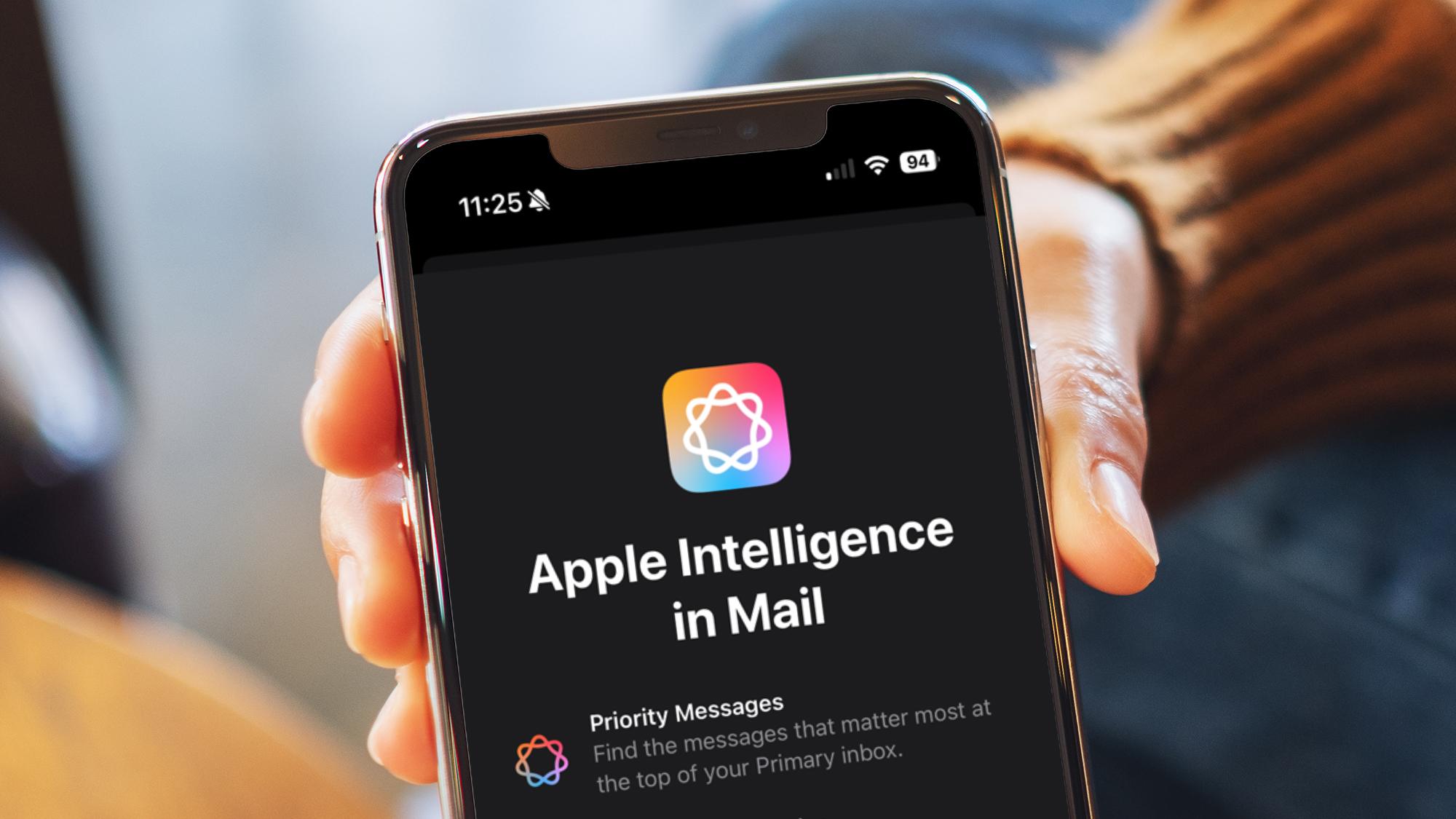
Apple Intelligence has not had the best year so far, but if you think Apple abandons, you are wrong. He has major plans and moves forward with new model training strategies that could considerably improve his AI performance. However, changes involve a more in -depth examination of your data – if you admire yourself.
In a new technical article in Apple automatic learning research, “Understanding Apple Intelligence trends using differential confidentiality”, described Apple new plans to combine data analysis with user data and the generation of synthetic data to better train the models behind many Apple Intelligence features.
Some real data
So far, Apple has trained its models on purely synthetic data, which tries to imitate what real data might look like, but there are limits. In Genmoji, for example, Apple use of synthetic data does not always show how real users engage with the system. Paper:
“For example, understand how our models work when a user asks Genmoji which contain several entities (such as” Dinosaur in a cowboy hat “) helps us to improve responses to this type of request.”
Essentially, if users oppose, the system can question the device to see if it has seen a data segment. However, your phone does not answer with data; Instead, he returns a noisy and anonymized signal, which is apparently sufficient for Apple’s model to learn.
The process is somewhat different for models that work with longer texts such as writing tools and summaries. In this case, Apple uses synthetic models, then they send a representation of these synthetic models to users who have opted for data analysis.
On the device, the system then makes a comparison which seems to compare these representations with recent e-mail samples.
“These most selected synthetic incorporations can then be used to generate training or test data, or we can perform additional stages of conservation to further refine the data set.”
A better result
It’s complicated things. The key, however, is that Apple applies differential confidentiality to all user data, which is the process of adding noise which makes it impossible to connect this data to a real user.
However, none of this works if you do not opt in Apple’s data analysis, which is generally happening when you configure your iPhone, iPad or MacBook for the first time.
This does not put your data or your confidentiality in danger, but this training should lead to better models and, we hope, to a better experience of Apple intelligence on your iPhone and other Apple devices.
This could also mean more intelligent and more sensible rewritings and summaries.


