
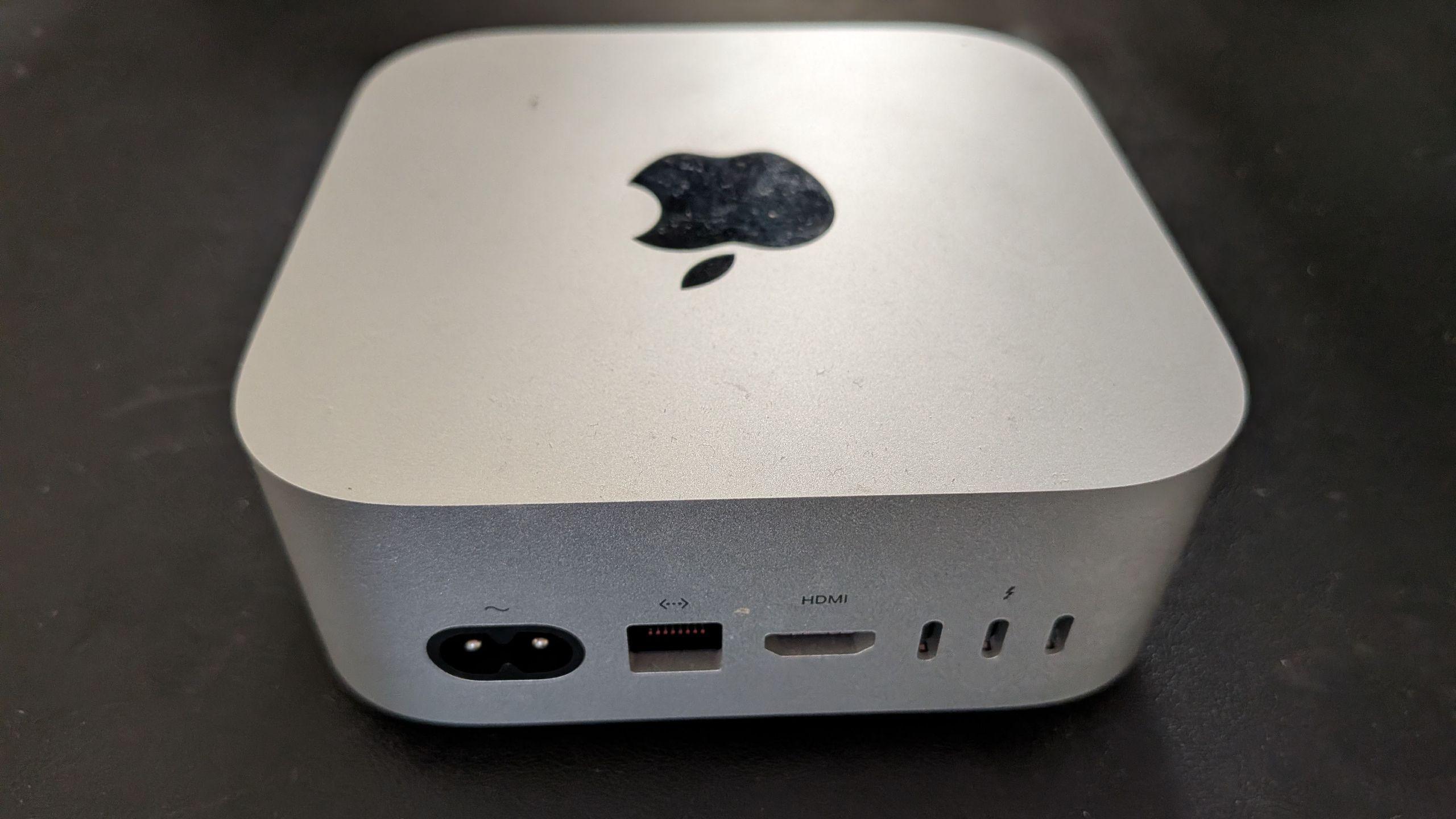
- Apple will manufacture the Mac mini in the United States starting later this year
- Production will shift from Vietnam and China to a Foxconn factory in Houston
- Houston warehouse conversion provides 220,000 square feet of Mac mini assembly space
Apple has announced that it will begin manufacturing the Mac mini, its compact mini PC, in the United States later this year, moving some of its production from Vietnam and China.
The company plans to use a Foxconn facility north of Houston, converting a 220,000-square-foot warehouse into manufacturing space.
Apple says this initiative aims to meet local demand while gradually increasing production to meet broader global needs.
Historical context of American Mac production
Apple previously manufactured high-end Macs in the United States, including the Mac Pro workstation, assembled in Austin starting in 2013.
This activity declined over time, highlighting the challenges of domestic production of complex computers.
Apple’s new Houston plan builds on these previous efforts, demonstrating a continued attempt to bring some manufacturing operations closer to home, and also aligns with the company’s broader $600 billion investment commitment in the United States over four years.
This commitment was driven in part by tariff exemptions and government pressure to increase domestic investment.
Foxconn’s Houston factory currently houses Apple AI server assembly, while the converted warehouse will house the Mac mini production line.
Apple says it produces thousands of Mac mini units each week and the new facility aims to increase local production over time.
“We are very excited to announce that later this year, we will begin manufacturing the Mac mini right here in this space. Over time, we want to evolve the Mac mini here to serve our customers in this area,” said Sabih Khan, Apple’s chief operating officer. The Wall Street Journal.
Although the bulk of production will continue in Asia, U.S.-based assembly is expected to meet regional demand and reduce reliance on international supply chains.
The Mac mini is popular with software developers and users running AI agent software on desktop systems.
It also complements business laptops in office setups where compact desktops and mobile workstations need to work together efficiently.
However, it remains a niche product for the company, contributing less than 5% of global Mac sales and less than 1% of Apple’s total revenue.
Its limited share of Apple’s sales suggests that domestic production could have a minimal effect on global prices.
Locating manufacturing in the United States could increase operational costs, which may or may not translate into lower consumer prices.
Apple’s move reflects a focus on supply chain diversification and local presence rather than an immediate price advantage.
Ultimately, the success of U.S. Mac production will depend on how effectively the company expands its operations and integrates domestic manufacturing into its existing global network.
Follow TechRadar on Google News And add us as your favorite source to get our news, reviews and expert opinions in your feeds. Make sure to click the Follow button!
And of course you can too follow TechRadar on TikTok for news, reviews, unboxings in video form and receive regular updates from us on WhatsApp Also.


