
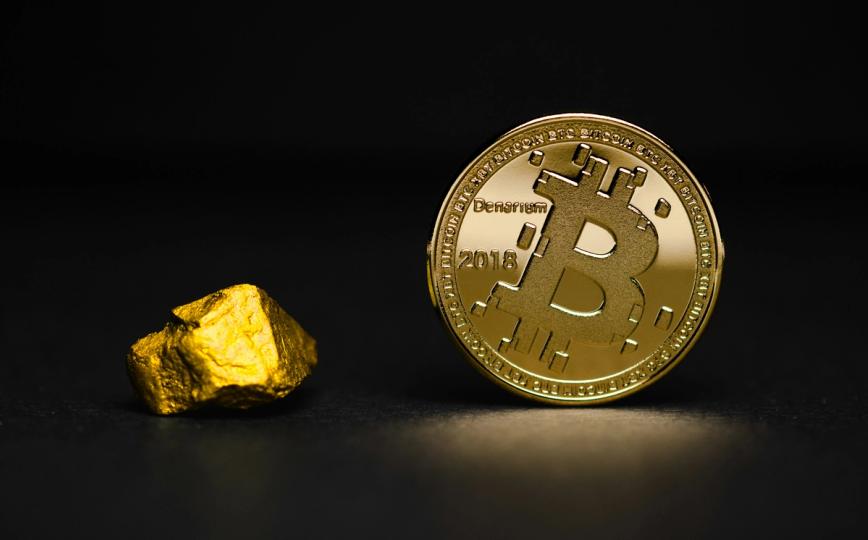
Everything sells. Bitcoin is the one that sells the least.
Gold fell for a ninth straight day Monday to around $4,360, its longest losing streak in years. Asian stocks fell for a third session and are expected to enter correction territory.
Bond yields rose as the protracted war threatened to fuel inflation and push central banks to raise rates rather than cut them. S&P and European futures indicated further losses. Brent crude rose slightly to $113 per barrel, up more than 70% since the start of the year.
Bitcoin was trading at $68,316 on Monday morning, up 1.5% over the past 24 hours and down 6% for the week. Ether rose 2.7% to $2,059. XRP gained 2% to $1.38. Tron climbed 0.3% to $0.309, the only major green on a weekly basis at 3.8%. BNB fell 1.2% to $627. Solana fell 2.5% to $86.54. Dogecoin lost 1.7% to $0.09, down 7.4% for the week and the worst-performing major.
The weekly numbers are ugly across the board. Gold, the asset expected to outperform amid geopolitical chaos, is down about 18% from its recent highs. Asian stocks are entering a correction. Bitcoin is down 6% for the week, but still trading above the $66,000 low that has held during every war-driven sell-off since February 28.
“The gold rally and BTC collapse are more structural than market-based,” said Alexander Blume, CEO of Two Prime, an SEC-registered investment advisor. “China and others are systematically buying gold as part of a broader effort to decouple from Western markets and the U.S. dollar.” These purchases reversed as the conflict intensified and liquidity became prioritized over security.
Blume noted that bitcoin prices and derivatives markets “have held up quite well” given the macroeconomic backdrop, and said Two Prime is positioned for “an increase in funding rates and forward rates in the coming weeks and months,” effectively betting on the contrarian view that an upside surprise is more likely than the market expects.
Trump’s 48-hour ultimatum issued Saturday to “strike and destroy” Iran’s power plants if the Strait of Hormuz is not reopened expires Monday evening. Iran responded that such an attack would trigger an indefinite closure of the waterway and retaliatory strikes against U.S. and Israeli energy infrastructure in the region.
Meanwhile, Goldman Sachs raised its full-year forecast for Brent to $85 from $77 and for WTI to $79 from $72, describing the Hormuz disruption as “the largest supply shock ever recorded in global crude markets.”


