
Bitcoin consolidated after Tuesday’s jump to $76,000, alongside a 33% drop in daily trading volume to $36.9 billion.
The largest cryptocurrency has added just 0.4% since midnight UTC after rebounding from $73,500 as it looks to establish a new support level ahead of a possible bullish breakout.
While analysts predicted a rapid move up to $80,000 after the pullback from $72,000, the price action has actually been much more measured. Traders with long positions have taken profits and those who have been forced out of short positions are waiting on the sidelines to re-enter the market.
Volatility has also declined in commodities such as gold, silver and crude oil as the war in Iran continues to put the risk approach on hold.
US stocks are beginning to experience a prolonged period of rise; Nasdaq 100 futures are up 0.66% since midnight UTC, followed by the S&P 500 which is up 0.5%.
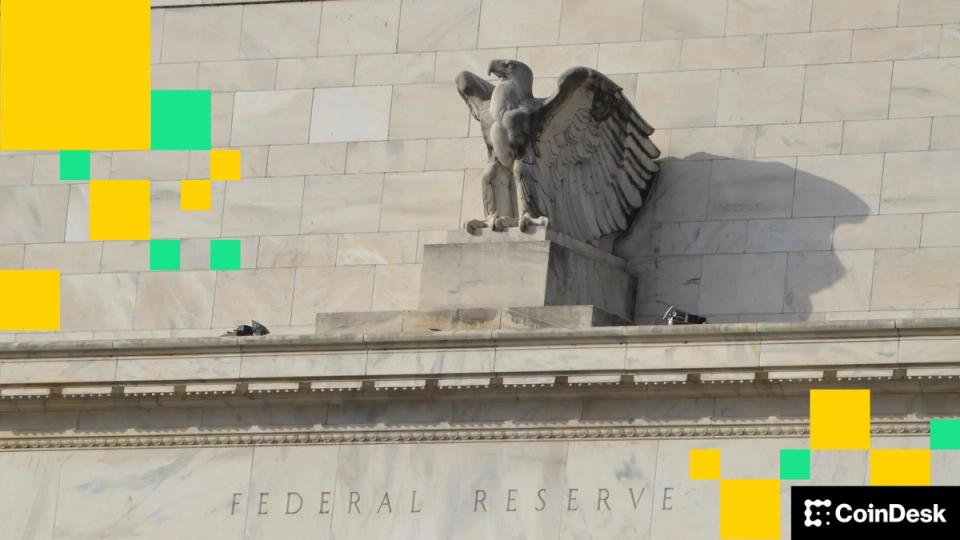
Investors will be keeping a close eye on Wednesday’s Federal Reserve meeting because while a rate pause is almost certain, rising inflation numbers from rising oil prices and weak U.S. jobs numbers could influence sentiment at the post-decision news conference.
Positioning of derivative products
- Bitcoin futures open interest (OI) growth on major exchanges has stalled alongside slightly negative funds rates. This is a sign that traders are not adding new bullish positions and the bears are gaining a slight advantage.
- OI in ETH, XRP, and SOL fell from early Tuesday highs as spot prices lost bullish momentum. This suggests that traders are unwinding their positions, indicating a cooling of speculative activity.
- OI in privacy-focused ZECs, which gained nearly 4% in 24 hours and 31% in a week, stood at 1.75 million ZECs, the highest since January 25. The increase in OI validates the recent price increase.
- Funding rates for XRP, BNB, and SOL have turned negative, indicating a bias toward bearish short positions. Traders could hedge against possible downside volatility after the Fed meeting.
- Bitcoin’s one-day implied volatility, or expected price action over 24 hours, remains stable at around 50% annualized. This equates to a 24-hour change of around 2.6%. In other words, the market does not view the impending Fed meeting as a major factor in the price action of the largest cryptocurrency.
- The same can be said for ether, solana and XRP.
- On Deribit, options market positioning appears defensive on both Bitcoin and Ether, with skews showing a bias toward put or bearish options.
- Block flows presented demand for strategies with limited profit potential such as Bitcoin diagonal call spreads and volatility bets like straddles. In the case of ETH, traders preferred risk reversals and straddles.
Symbolic discussion
- The altcoin market continues to show strength, with the Altcoin Season Index hitting a six-month high. The reading of 54/100 is a far cry from that of early February, when it stagnated at 22/100.
- Privacy coin zcash (ZEC) was one of the best-performing altcoins on Wednesday, adding 3.4% since midnight despite the rest of the market relatively unchanged. It is now up 32% in the past week.
- Decentralized finance (DeFi) lending token MORPHO also continued its strong run of form after rising 2.3% since midnight to add to a 33% monthly gain.
- The best performing benchmark over the past 24 hours was the
CoinDesk Smart Contract Platform Select Capped Index (SCPXC), with the index heavily weighted in layer 1 tokens posting a 0.8% gain, while the CoinDesk Memecoin Index (CDMEME) lost ground, falling 2.7%.


