Health

Protecting lives in a warming world: health at the center of COP30

As climate negotiations continue in the Amazon city of Belém, Brazil, governments, UN agencies and partners have adopted the Belém Health Action Plan, with a focus on addressing health care inequities. For updates on all UN actions and media coverage so far, go to our dedicated page here. A planet on the way to “intensive […]

Protecting lives in a warming world: health at the center of COP30 Read More »
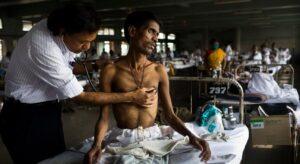
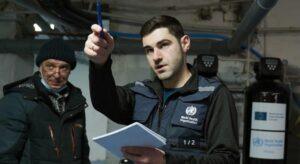
Ethiopia: UN supports response to potentially deadly virus outbreak

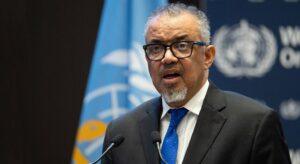
So far, eight possible cases have been reported in the southern region of Ethiopia and laboratory tests are underway to determine the exact cause. Health workers are among those infected, WHO Director-General Tedros Adhanom Ghebreyesus said in a tweet. What is viral hemorrhagic fever? Viral hemorrhagic fevers are a group of epidemic-prone diseases caused by

Ethiopia: UN supports response to potentially deadly virus outbreak Read More »

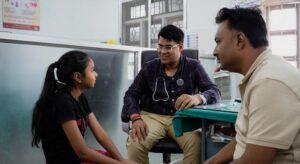
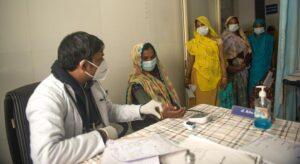
Diabetes now affects 1 in 6 pregnancies: what you need to know

This Friday, on the occasion of World Diabetes Day, the UN highlights the impact of the disease on pregnancy, in line with this year’s global theme, managing diabetes “at all stages of life”. The organization also launched its first-ever global guidelines on how to manage diabetes before, during and after pregnancy. “These guidelines are grounded

Diabetes now affects 1 in 6 pregnancies: what you need to know Read More »

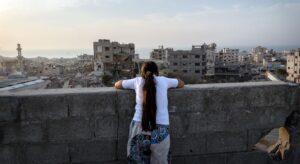
Gaza: the war has made children violent, sad and destitute

Warning that children’s sense of stability and security has been eroded by the collapse of key daily services, humanitarians insist young Gazans will need “sustained, long-term efforts to recover”. According to child safety partner assessments conducted in September and shared by the UN Office for Aid Coordination (OCHA), 93 percent demonstrated aggressive behavior and 90

Gaza: the war has made children violent, sad and destitute Read More »

World news in brief: Gaza latest, Americas lose measles-free status and Brazil recovers from tornado

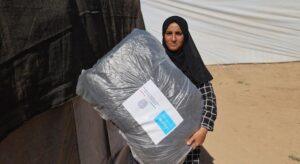
Fuel is needed to power machinery for critical operations, including water, sanitation, hygiene, health and rubble clearance. Education, nutrition and protection works will also be possible through the delivery of diesel, OCHA said, noting that three-quarters of the total amount went to the south and a quarter to the north. The latest UN data also

World news in brief: Gaza latest, Americas lose measles-free status and Brazil recovers from tornado Read More »

Ensuring access to drinking water as climate threats increase

“Health facilities are where vulnerable people seek healing. Yet without adequate water, sanitation and hygiene, for too many people, expected care can turn into unintended harm,” said Dr Hans Kluge, World Health Organization (WHO) regional director for Europe. Stressing that health care is “put to the test like never before,” Dr. Kluge insisted that strengthening

Ensuring access to drinking water as climate threats increase Read More »

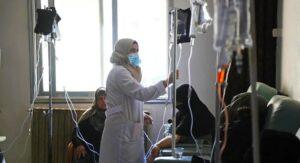
Syria’s future threatened by serious funding shortfall

The development comes 11 months after the country’s devastating civil war ended with the overthrow of the Assad regime by opposition forces loyal to new President Ahmad Al-Sharaa. Today, as Syrians return home in growing numbers, the shattered country faces chronic shortages of foreign investment, medicine, electricity and equipment. According to the WHO, only 58

Syria’s future threatened by serious funding shortfall Read More »

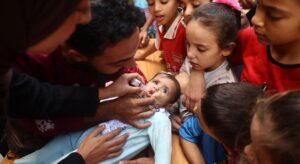
Catch-up vaccination campaign is “a lifeline” for children in Gaza

Estimates indicate that one in five children under the age of three have not received any doses or been vaccinated because of the war, putting them at risk of outbreaks of vaccine-preventable diseases. The catch-up campaign aims to vaccinate these children against measles, mumps and rubella, diphtheria, tetanus, whooping cough, hepatitis B, tuberculosis, polio, rotavirus

Catch-up vaccination campaign is “a lifeline” for children in Gaza Read More »

World news in brief: Call for self-sufficiency in financing health care, Australian treaty with indigenous peoples, Haitian women in danger

Healthcare aid from abroad is expected to see a 30% to 40% drop this year compared to 2023, according to the United Nations health agency. This has already led to reductions of up to 70 percent in key health services in some of the 108 low- and middle-income countries outlined in a new WHO report.

World news in brief: Call for self-sufficiency in financing health care, Australian treaty with indigenous peoples, Haitian women in danger Read More »

Scroll to Top