
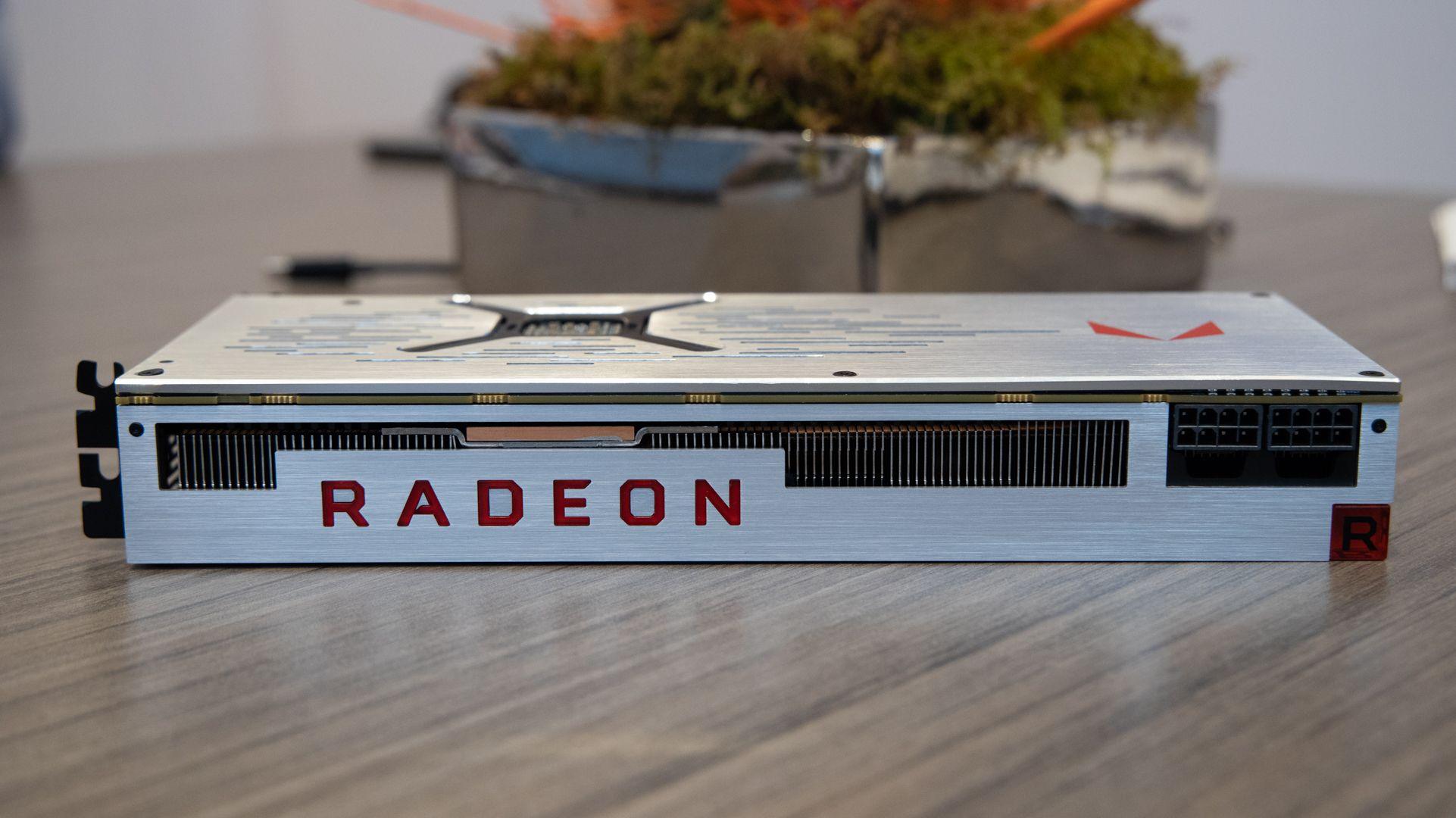
- Radeon Pro GPUs outperform Nvidia’s top cards in critical SOLIDWORKS workloads
- Mid-range Radeon Pro GPUs match Nvidia Blackwell’s high-end performance in Inventor
- AMD’s AI Pro R9700 leads Nvidia in drawing and hidden line tests
Professional benchmarking of GPUs for engineering workloads continues to reveal a gap between hardware marketing claims and measurable software behavior.
Recent testing by PugetSystems on common CAD, modeling, and photogrammetry applications shows that performance results are often limited by application design, driver behavior, and limited scaling rather than raw graphics capabilities.
In several cases, cheaper professional GPUs matched or exceeded the results of much more expensive models.
Cheaper Radeon Pro GPUs outperform Blackwell and Ada chips
Testing compared AMD Radeon Pro workstation GPUs directly to Nvidia’s leading RTX Pro Blackwell and Ada Generation cards across several engineering applications.
Testing focused on Autodesk Inventor, SOLIDWORKS, Revit and PIX4Dmatic, using consistent 4K display settings and a high-end Ryzen processor to minimize CPU bottlenecks.
In Autodesk Inventor graphics testing, Radeon Pro models such as the W7900, W7800, and AI Pro R9700 performed on par with the Nvidia RTX Pro 6000 Blackwell and RTX 6000 Ada cards once the workload exceeded a baseline performance threshold.
Above the Radeon Pro W7500 tier, performance differences between GPUs cluster closely, indicating minimal scaling regardless of price point.
This behavior suggests that Inventor’s graphics workloads do not enjoy significant advantages over Nvidia’s more expensive workstation GPU designs.
SOLIDWORKS testing showed greater variation between Radeon Pro and Nvidia RTX Pro GPUs, depending on workload.
Composite GPU scores place the Radeon Pro W7900 and Radeon AI Pro R9700 ahead of the Nvidia RTX Pro 6000 Blackwell and RTX Pro 5000, despite much lower launch prices.
Radeon Pro GPUs also dominated drawing and hidden line workloads, where every AMD card tested significantly outperformed Nvidia’s fastest result.
However, Nvidia has maintained advantages in some shaded and RealView modes, especially with higher-tier Blackwell cards.
PIX4Dmatic benchmarks only supported Nvidia GPUs, completely excluding Radeon Pro cards.
Despite this, the RTX Pro 6000 Blackwell and RTX Pro 5000 brought only modest gains over previous Ada cards in terms of calibration and point cloud generation.
Processing time was often driven by non-GPU steps, limiting the impact of Nvidia’s newer workstation hardware despite proprietary software support.
In engineering applications tested, Radeon Pro workstation GPUs repeatedly matched or exceeded Nvidia’s flagship RTX Pro Blackwell cards in GPU-bound workloads while costing significantly less.
Nvidia’s top models showed strong software consistency and compatibility, but rarely delivered performance gains to match their higher prices.
These results suggest that for many engineering workflows, particularly CAD drafting and modeling tasks, Radeon Pro hardware currently delivers comparable results without the overhead of high-end workstation GPUs.
Follow TechRadar on Google News And add us as your favorite source to get our news, reviews and expert opinions in your feeds. Make sure to click the Follow button!
And of course you can too follow TechRadar on TikTok for news, reviews, unboxings in video form and receive regular updates from us on WhatsApp Also.


