
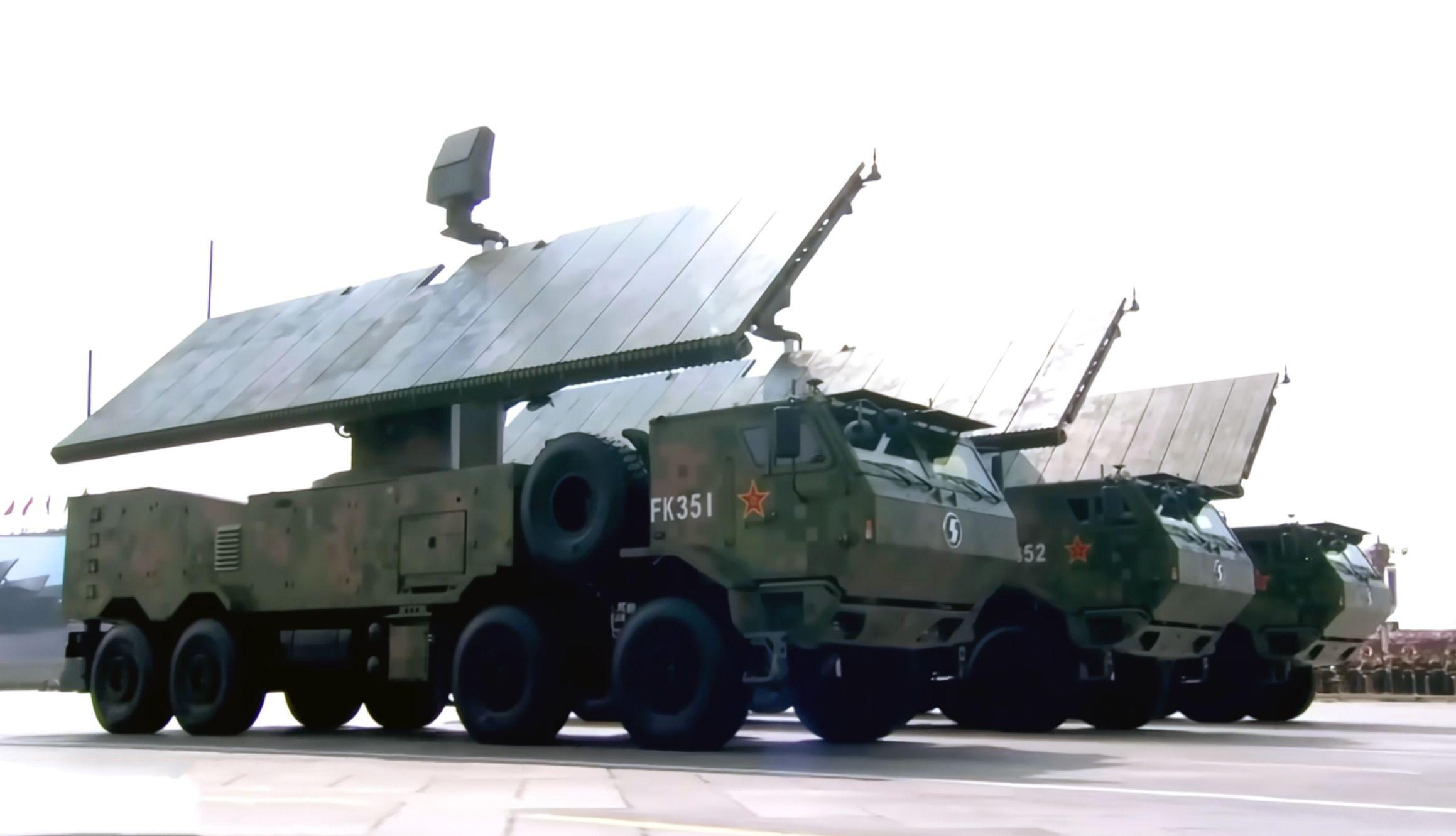
- China details microwave weapon designed to disable drone swarms beyond 3km
- Hurricane 3000 uses high-power microwaves to fry drone electronics
- The system is intended to be part of China’s multi-layered air defense strategy.
China has revealed new details about a high-powered microwave weapon that it says could neutralize swarms of drones at distances greater than those claimed by comparable U.S. systems.
The truck-mounted system, known as Hurricane 3000, is designed to destroy or stop drones by frying onboard electronics with concentrated microwave energy.
Its developer, state defense company Norinco, said the weapon had an effective interception range of more than 3 km against light and small unmanned aerial vehicles.
An iron triangle
“Its effective interception range exceeds 3 km [1.86 miles] against the light and small [unmanned aerial vehicles] and swarms of drones, placing it at the forefront of similar systems both domestically and internationally,” said Yu Jianjun, an expert at Norinco, in comments reported by the South China Morning Post.
Yu said the additional range allows the system to move beyond point defense, which protects individual assets at close range, and into broader area denial roles.
He said the Hurricane 3000 could operate alone or be networked with laser weapons and conventional air defense artillery to form what he described as an “iron triangle” against drones.
“This allows it to carry out various air defense missions, including point defense, border and coastal security operations, as well as urban public security operations,” Yu said.
High-power microwave weapons differ from missiles and cannons by emitting bursts of electromagnetic energy over a wide area that disable electronics almost instantly.
Unlike jamming systems, often described as tools of soft destruction, microwave weapons physically damage or shut down components inside the drone.
Norinco said the Hurricane 3000 uses radar to detect and track targets before switching to electro-optical sensors for precise visual lock-on.
Once locked, the system radiates microwave energy through an antenna panel to neutralize the target.
Compared to laser weapons, which typically attack one target at a time, microwave systems cover a wider area and are considered better suited to swarm attacks.
The company said such systems have a nearly unlimited magazine, low cost per shot and minimal collateral damage.
The Hurricane 3000 was publicly demonstrated alongside the smaller Hurricane 2000, which has a range of around 2 km.
The US military’s comparable system, Leonidas, developed by Epirus, is said to have an effective range of around 2 km.
Yu said Norinco is also exploring expanded roles for microwave weapons, including disrupting communications, thwarting airborne reconnaissance and acting as non-lethal denial systems.
Follow TechRadar on Google News And add us as your favorite source to get our news, reviews and expert opinions in your feeds. Make sure to click the Follow button!
And of course you can too follow TechRadar on TikTok for news, reviews, unboxings in video form and receive regular updates from us on WhatsApp Also.


