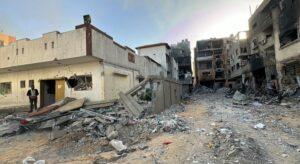
The UN agency has revealed shocking figures linked to attacks on health facilities in Sudan, highlighting that the country records the highest percentage of deaths in the world linked to attacks on the health sector, in blatant violation of international humanitarian law.
In a conversation with Abdelmonem Makki from PK Press ClubShible Sahbani, WHO Representative in Sudan, explains the seriousness of the situation and how the organization is supporting the country’s health authorities and citizens.
Shible Sahbani: The war started in April 2023, which means that in a few days it will have lasted 1,000 days. During this period, the country was plunged into a rapidly deteriorating humanitarian situation, a security crisis, a displacement crisis, a famine-type crisis, but also a health crisis.
The climate and conditions in Sudan are conducive to the spread of malaria and dengue fever by mosquitoes. Outbreaks of vaccine-preventable diseases, such as measles and polio, are also currently being reported in many states.
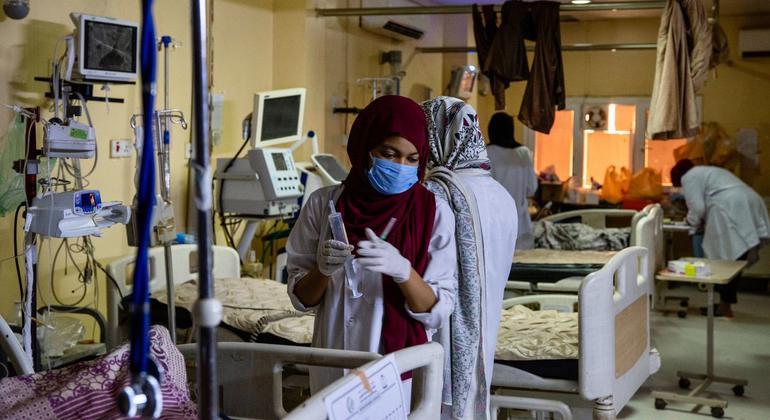
Health facilities are under attack, there is a shortage of medicines and supplies, and a lack of financial and human resources to operate health services. This means that the system is on the verge of collapse.
Sudan was once considered the breadbasket of the entire region. Today, the country faces one of the most serious food crises in the world: more than 21 million people face high levels of acute malnutrition and food insecurity. Children under five and pregnant or breastfeeding women are particularly at risk: it is estimated that nearly 800,000 children under five will have suffered from severe acute malnutrition in 2025.
PK Press Club: How is WHO supporting Sudanese health authorities?
Shible Sahbani: The World Health Organization (WHO) is responsible for coordinating the health response, in collaboration with the Ministry of Health and other partners. We provide expertise and technical support, as well as capacity building to respond to epidemics, malnutrition, non-communicable diseases and mental health needs. Since the start of the war, WHO has provided approximately 3,000 tons of medical supplies, worth approximately $33.3 million. We also provided cash assistance to health workers who were not receiving salaries, as well as fuel to generate electricity in health facilities.
PK Press Club: Vaccination rates in Sudan have fallen to their lowest level in 40 years, and thousands of children have not received vaccine doses, according to UNICEF. What dangers does this pose for the children of Sudan?
Shible Sahbani: This reduction in vaccination coverage is one of the main reasons why vaccine-preventable diseases, such as measles, diphtheria and polio, are spreading across the country. Malnutrition and other health problems also make children less immune, putting their lives and futures at serious risk.
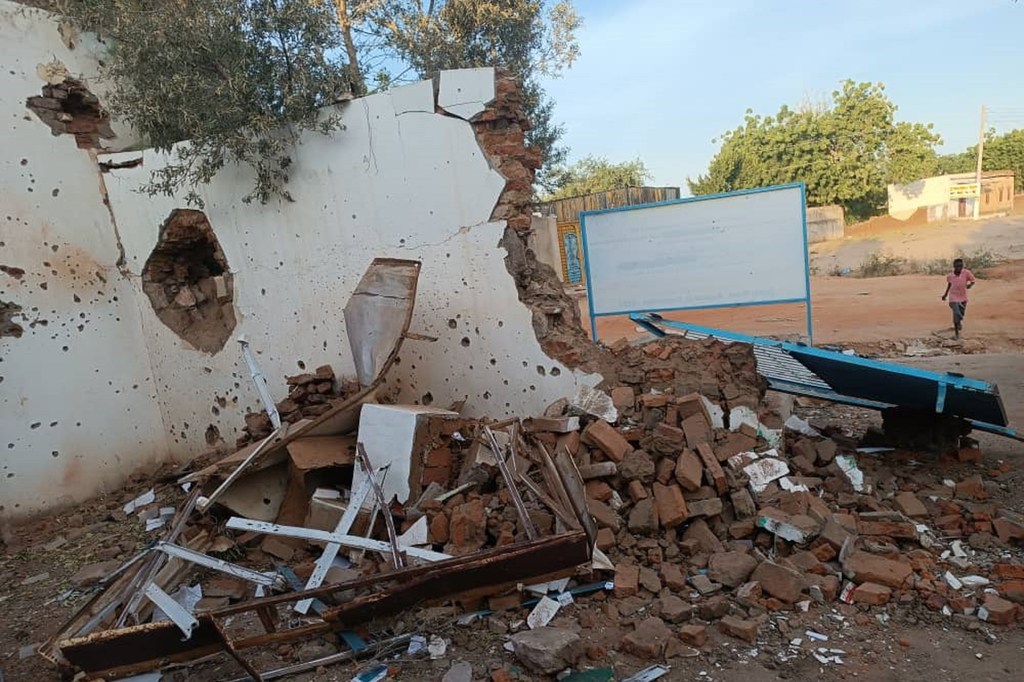
A health facility looted in Darfur (file, 2024)
PK Press Club: Can we avoid a further worsening of the health crisis?
Shible Sahbani: We must view Sudan as a country that must recover as quickly as possible. Sudan is a large country with a high population density and has immediate needs. But we also need to strengthen the health system. In this regard, we are working with the government to develop a new strategy for rapid recovery and development and to build resilience.
The eastern part of the country remained stable and was not directly affected by the war. But the massive influx of displaced people from other states has placed a huge burden on health facilities.
The western part – particularly Kordofan and Darfur – is where populations are bombarded and face serious security problems and serious difficulties in accessing health services. The central region, which includes Al-Jazeera, Khartoum and Sennar, was hit hard by the war but is now accessible.