- Israel launches major bombing of Lebanon.
- Tehran threatens to resume hostilities.
- Iranian official cites several US violations.
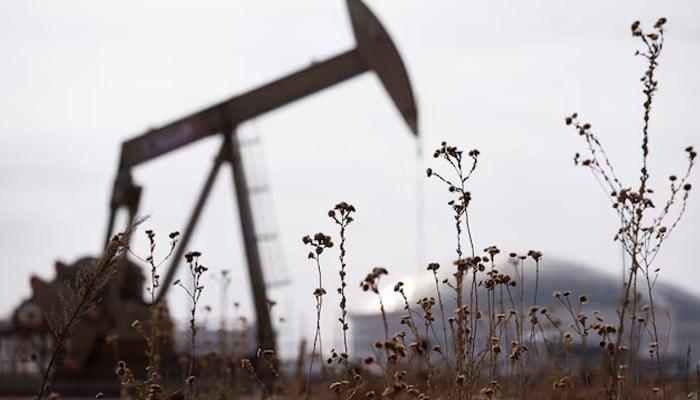
Oil prices rose and stocks fell Thursday on concerns over the nascent ceasefire between the United States and Iran after Tehran threatened to resume hostilities after Israel launched a major bombing of Lebanon.
Stock markets around the world soared and crude oil plunged Wednesday after U.S. President Donald Trump announced a two-week halt to the war and the Islamic Republic said it would reopen the Strait of Hormuz while peace talks take place.
But while the deal is less than a day old, cracks have already appeared as Tel Aviv said it did not include Israel’s fight against Iran-backed Hezbollah in Lebanon as it continued its attacks on its northern neighbor.
This view was echoed by Vice President JD Vance, who said: “If Iran wants to let this negotiation collapse…over Lebanon, which has nothing to do with it, and which the United States has never said is part of the ceasefire, that is ultimately their choice.” »
Iran says it has broken the terms of the deal as reports indicate the vital Hormuz waterway – through which a fifth of the world’s oil and gas passes – has been closed again. However, the move came as Tehran announced alternative routes for ships crossing the strait, citing the risk of sea mines.
The speaker of the country’s parliament, Mohammad Bagher Ghalibaf, said on X that the “viable basis on which to negotiate” had already been violated, making continued talks “unreasonable.”
He listed three alleged violations of the truce plan by the United States: continued attacks in Lebanon, the entry of a drone into Iranian airspace and the denial of the country’s right to enrichment.
Hezbollah said Thursday it fired rockets toward Israel in response to its “violation.”
Separately, a senior US official said Tehran’s 10-point plan did not represent the same set of conditions agreed to by the White House.
Fears that the ceasefire could collapse as crude remains stuck in Hormuz saw West Texas Intermediate oil jump about 3% on Thursday, after plunging more than 16% the day before. Brent rose more than 2% after a 13% decline.
Stocks also gave up some of their gains.
Tokyo, Hong Kong, Shanghai, Sydney, Singapore, Seoul and Taipei were all down.
Attention is also turning to crucial negotiations in Pakistan, expected Friday or Saturday, with Vance leading the U.S. delegation.
“Many questions remain that the 10-point plan Trump received from Iran (which includes Iranian control of the Strait of Hormuz, US acceptance of Iran’s uranium enrichment program, an end to all sanctions, and the withdrawal of the US military from the Gulf region) is at odds with Trump’s 15-point peace plan,” wrote Skye Masters of National Australia Bank.
Still, observers have warned that an end to the conflict will not bring a quick return to normal, with crude prices still high and key regional infrastructure targeted that could take billions of dollars and at least months to repair.
Shipping journal Lloyd’s List estimates that around 800 ships have been stuck in the Gulf since late February, when hostilities broke out.
Nevertheless, FOREX.com analyst Fawad Razaqzada said: “Investors are confident that oil prices could fall further and that the Strait of Hormuz will reopen again and hopefully remain open beyond the two-week ceasefire period.”