
- Google’s threats to the threats of google, says cybercrime, worse than ever
- Health care is once again a higher target for cyber attacks
- Nation-state players use cybercrime to collect funds
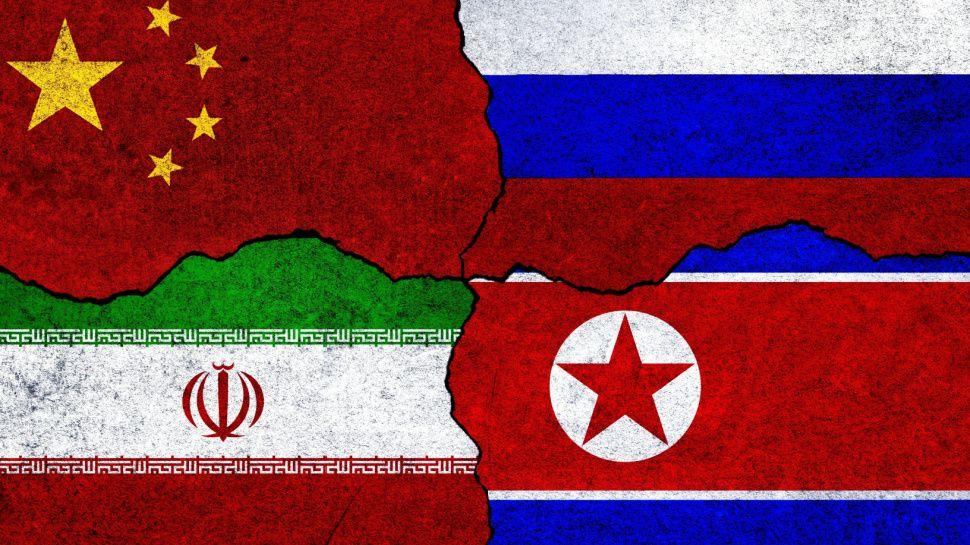
Despite a widespread coverage of cyber attacks of “ Big Four ”, Russia, China, Iran and the Democratic People’s Republic of Korea (North Korea) – the cybercrime report of the intelligence group on the threats of Google reveals Almost four times more intrusions by actors financially motivated in 2024 than the attackers supported by the State.
The report describes the responses of the threats of the company’s mandating branch in 2024 and reveals that it is not only a question of national security threats that countries should worry. Any attack on critical infrastructure, it doesn’t matter who is behind, can have devastating effects on people’s lives;
“When electrical networks are disturbed, entire communities are left vulnerable. The effects of cybercrime extend far beyond stolen money or data violations; They erode public confidence, destabilize essential services and, in the most serious cases, cost lives, “explains the report.
Health care is always superior
It is not surprising for many that health care providers are always an incredibly attractive target for cybercriminals given the large amount of sensitive data they hold, as well as the critical nature of their services, which means that any breakdown can be catastrophic.
In fact, the report shows a 50% increase in health posts on data leakage sites – and whether it is a criminal looking for a financial gain, or a supported player By the nation seeking to disrupt critical infrastructure, the effect on patients is the same;
“The sensitive data stolen from an organization and published on a data leak site can be used by an opponent in the same way as the data exfiltrated in a espionage operation may be,” notes the report.
The play readers of each actor are different, but Google’s report suggests that each of the “four large” supplements as part of its attacks, mainly deploys ransomware or malware to collect funds.
This has been observed on several occasions, the Lazare group in North Korea launching large -scale cyber attacks, which the researchers suggest being part of an operation aimed at helping to finance the state apparatus.


