
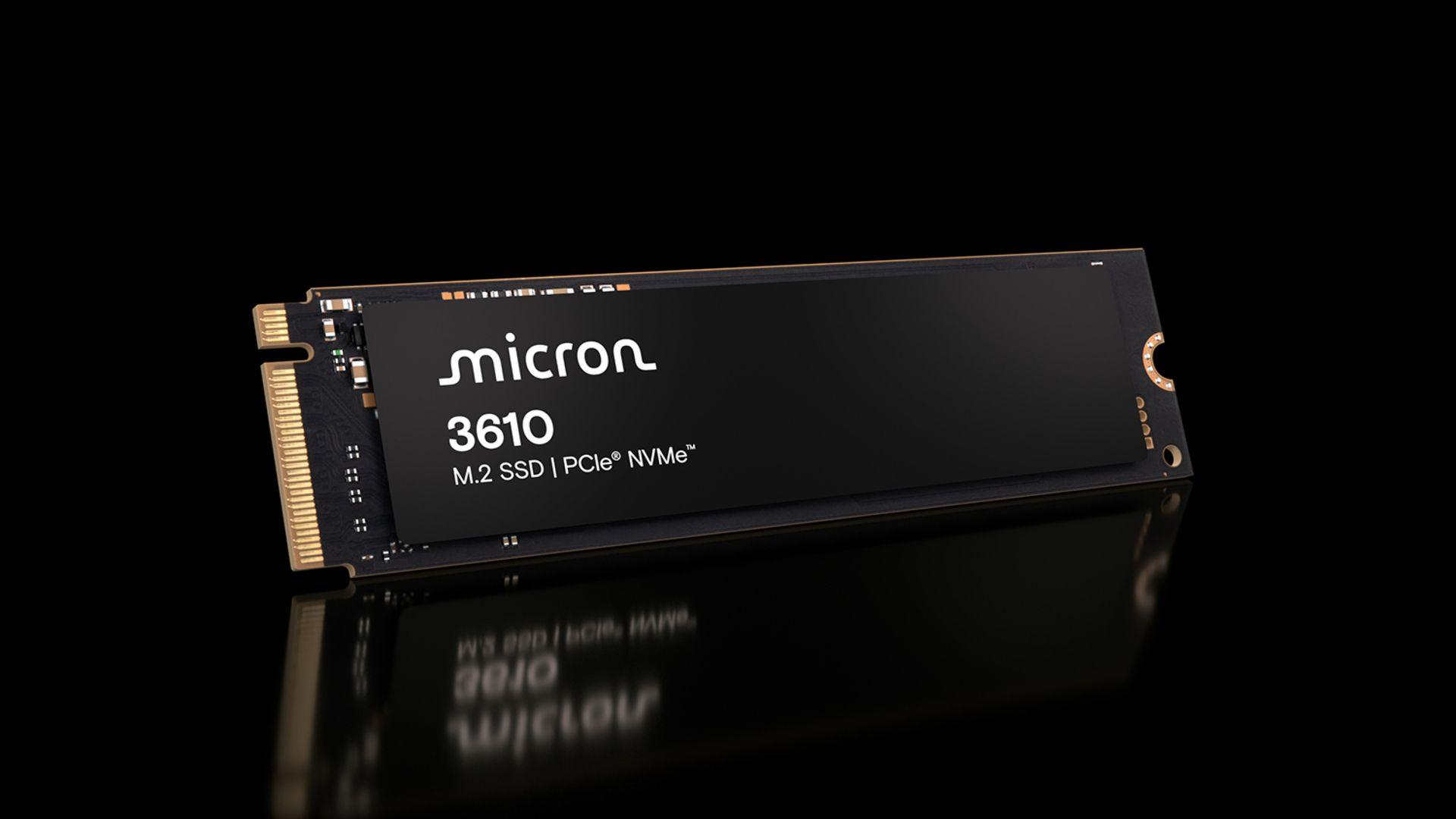
- Repurposed Enterprise SSDs Amplify Failure Risks Under Sustained AI Workload Pressure
- Flash wear remains a physical limit that software optimization cannot erase
- Drive Reclamation trades short-term capacity gains for long-term reliability concerns
The ongoing shortage of enterprise SSDs has forced data center operators to rethink how they manage storage resources as AI workloads increase pressure.
A senior Dell executive has warned that reusing enterprise SSDs creates serious reliability risks at a time when storage systems remain in short supply.
Flash media degrades with repeated write cycles, and older drives can fail more quickly once operators put them back into demanding environments.
Flash wear and risk of data loss
“Flash drives wear out with use. Re-introduction of aging media increases the risk of accelerated component failure, data unavailability and, in the worst cases, catastrophic data loss,” said David Noy, vice president of product management for the company’s unstructured data solutions.
Such outcomes directly conflict with the stability required by AI tools, as these systems depend on uninterrupted and predictable access to data.
The warning comes as analysts expect SSD supply constraints to persist for at least another year.
Some storage vendors have responded by promoting drive recovery strategies, in which operators remove existing SSDs from one system and reuse them in another.
VAST Data described this approach as a way to expand limited flash capacity by relying on software data reduction.
However, Dell executives say this response reflects market pressure rather than technical improvement.
“Flash recycling as a strategy is a great marketing idea, but also a sign of pressure, not progress,” Noy said, “It may seem pragmatic, but it carries real risk. For software-only storage vendors, it’s a sign that desperate times call for desperate measures.”
The company maintains that reused flash exhibits the same physical wear and tear regardless of how efficient the software is, and reiterated its long-standing support for tiered storage architectures combining flash and rotating media.
By allowing less critical data to move away from flash, organizations can reduce their reliance on scarce and expensive SSD capacity.
Dell says this flexibility provides resiliency when prices change or delivery times lengthen, without forcing customers to move to an all-flash environment.
Other providers have taken similar positions. DDN, for example, supports multi-tier storage systems that span NVMe, conventional SSDs, disk drives, and cloud resources.
Automated data transfer policies allow information to move from one level to another while maintaining acceptable access speeds.
Like Dell, DDN suggests that reducing reliance on high-end flash hardware offers a more sustainable answer to shortages than attempting to reuse aging components.
Dell’s criticism also frames flash recycling as a trust issue, suggesting that software-only vendors may lack accountability if reused hardware fails.
Via Block and files
Follow TechRadar on Google News And add us as your favorite source to get our news, reviews and expert opinions in your feeds. Make sure to click the Follow button!
And of course you can too follow TechRadar on TikTok for news, reviews, unboxings in video form and receive regular updates from us on WhatsApp Also.


