
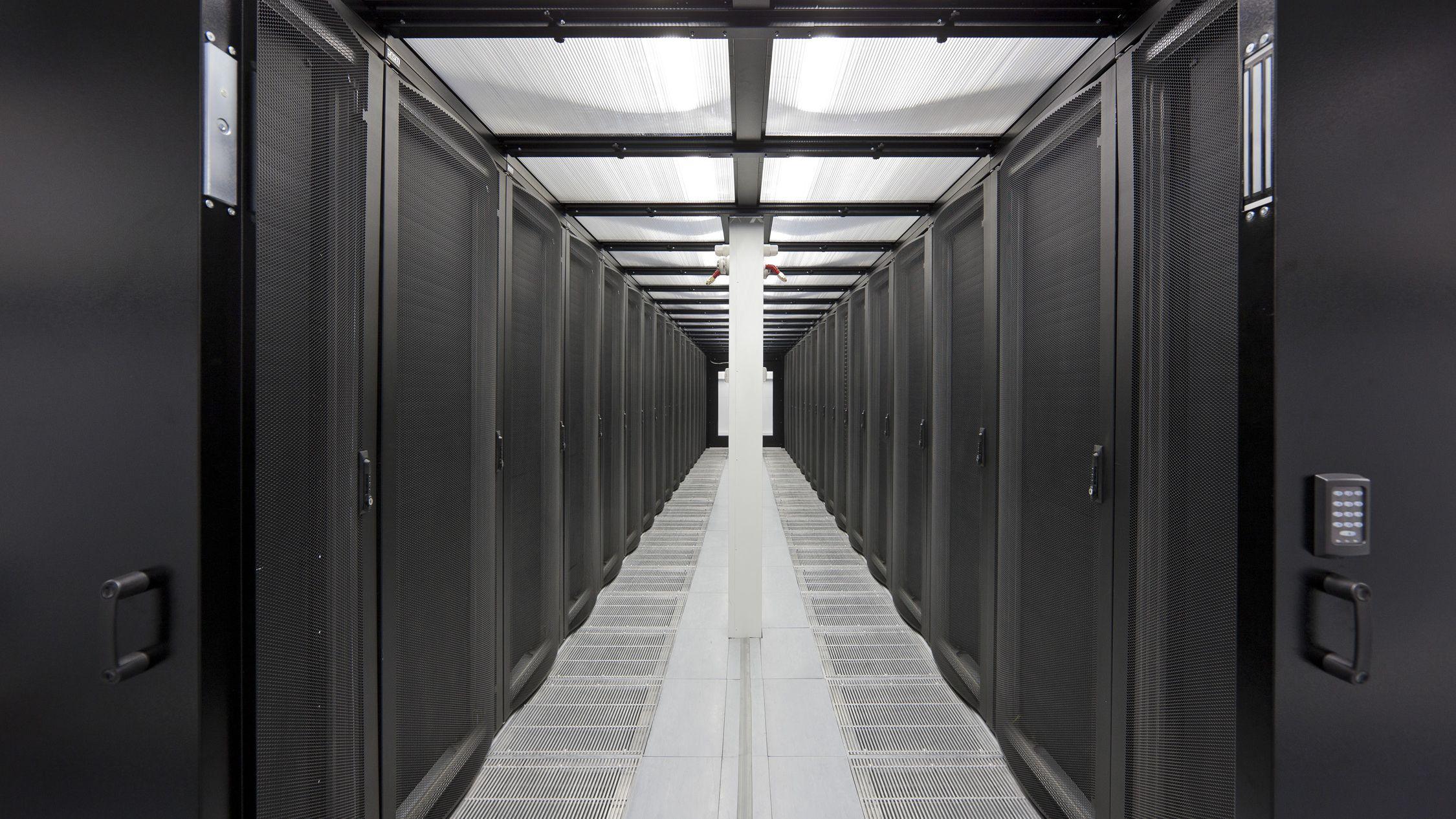
- Ewigbyte combines optical read/write units with automated management for large-scale archiving
- Data is stored on inert media designed to resist environmental degradation
- Modular architecture enables scaling from petabytes to exabytes within deployments
European startup Ewigbyte has unveiled an exabyte-scale, power-free archive storage system, falling into the same emerging category as Cerabyte’s ceramic-based data storage technology.
Each company pursues long-term, energy-free data preservation aimed at hyperscalers, governments, and research institutions facing rapid archive growth.
Ewigbyte relies on ultra-stable physical encoding to retain data for centuries without electricity, cooling, or periodic data migration.
Modular architecture and energy-free design
The system targets cold storage use cases where access latency matters less than durability, density and reduced operating costs.
By removing standby power and refresh cycles, the company says the platform can reduce long-term archiving expenses compared to magnetic tape and hard drive systems.
The startup built its architecture around modular storage units that can range from petabyte to exabyte within a single deployment.
Specialized hardware writes data to an inert medium that resists heat, radiation, and environmental degradation.
Once written, data remains fixed and requires no active management until recovered.
Ewigbyte combines optical write and read units, robotic manipulation, and automated storage with software that integrates with object storage platforms.
Initial media designs aim for 10 GB per tablet, with data written on both sides and local write and read speeds of around 500 MB/s per head.
Through parallel operation, each machine achieves approximately 4 GB/s, while the overall throughput spans across multiple machines.
Planned installations could run up to 100 machines at a time, supporting exabyte-scale deployments.
Ewigbyte positions its system as an alternative to tape libraries and emerging solid-state archiving concepts.
Although access speeds are lower than conventional enterprise storage, the company says most archival data sets experience sparse access and instead require minimal durability, density and operating cost.
This focus makes the platform suitable for scientific records, cultural archives, satellite imagery and long-term regulatory preservation.
Cerabyte is pursuing a similar zero-power goal using laser-etched ceramic storage, reflecting growing interest in post-tape archiving technologies.
Ewigbyte has not clarified whether its multimedia composition or writing methods overlap with ceramic-based designs, limiting direct technical comparison for now.
Other efforts in this area include Microsoft’s Project Silica, which uses laser-coded quartz glass to store data for decades.
SPhotonics, in comparison, focuses on photonics-based multi-layer optical media for scalable cold storage.
The broader challenge for all of these systems lies in manufacturing scale, cost per terabyte, and ecosystem adoption.
Buyers of archival storage services tend to proceed with caution, and technologies that claim to preserve data over centuries often face long validation cycles.
Certification, standardization, and recovery tools will likely determine which platforms gain traction.
As data volumes continue to outpace active storage budgets, power-free archiving systems are moving from research to early commercial deployment.
Whether Ewigbyte or Cerabyte will be the first to achieve widespread adoption remains to be seen, but their parallel efforts point to a possible move away from tape-dominated archiving infrastructure.
Via Blocks and files
Follow TechRadar on Google News And add us as your favorite source to get our news, reviews and expert opinions in your feeds. Make sure to click the Follow button!
And of course you can too follow TechRadar on TikTok for news, reviews, unboxings in video form and receive regular updates from us on WhatsApp Also.


