
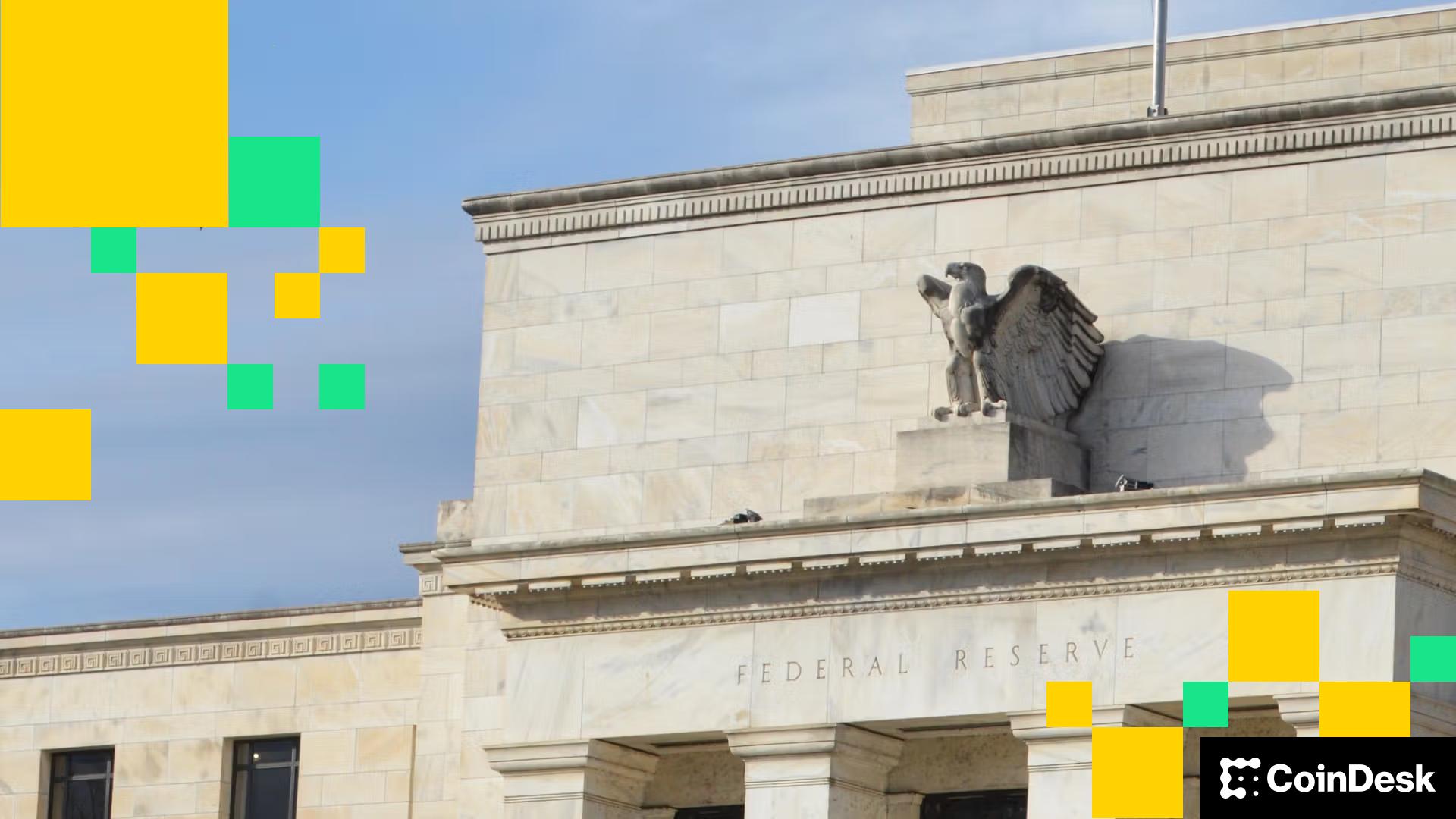
Days after JPMorgan Chase & Co. admitted to unbanking President Donald Trump following the Jan. 6, 2021, attack on the Capitol, the Federal Reserve is seeking comment on its proposal that would block government watchdogs from pushing banks to cut ties with legal customers based on their businesses, including crypto companies.
“We have heard of troubling cases of debanking – in which supervisors use concerns about reputational risk to pressure financial institutions to remove customers because of their political views, religious beliefs, or involvement in disfavored but legal businesses,” including cryptocurrencies, said Vice President for Supervision Michelle W. Bowman.
“Discrimination by financial institutions on these grounds is unlawful and has no role in the Federal Reserve’s supervisory framework,” she added.
The Office of the Comptroller of the Currency, as supervisor of the nation’s banks, had already decided to remove reputation factors from its oversight last year, and the Federal Reserve also announced in July that this risk would no longer be part of its banking examinations, so this regulatory process would codify that decision.
Cryptocurrency debanking has been well documented and freely acknowledged by Trump-appointed banking regulators, although new examples continue to emerge. In response to a complaint filed last month by Trump and the Trump Organization, JPMorgan, the nation’s largest bank, said for the first time that it removed more than 50 Trump accounts in February 2021. JPMorgan did not specify the reason for closing the accounts. On November 23, 2025, Jack Mallers, CEO of crypto payments company Strike, wrote a social media post that immediately went viral, claiming that JPMorgan had closed all of its accounts without cause.
In a Jan. 26 memo to the Board of Governors, Fed staff wrote that the Board’s proposal would “codify the removal of reputational risk from the Board’s supervisory programs” and prohibit the Fed from “encouraging or compelling” banks to deny or condition service to customers involved in “politically disadvantaged but lawful business activities.”
In the proposal, the Fed Council said it intends to include “authorized payment stablecoin issuers” in its definition of covered banking organizations after developing separate rules, a move that could directly affect crypto-native businesses seeking access to the banking system.
The Fed said its comments on its proposal to remove reputational risk from its supervision of banks would be due in 60 days from Feb. 23.


