
- Global copper demand will soon exceed supply by millions of tonnes, experts warn
- Recycling alone cannot meet the growing demand for copper over the next two decades
- China dominates nearly half of global copper smelting and refining capacity
Demand for copper continues to rise as electrification expands in transportation, power generation and industrial systems, experts have warned, with potential shortages perhaps not far away.
Electric vehicles, grid upgrades, renewable energy installations and data center infrastructure all rely heavily on copper for cabling, motors and interconnections.
Even components closely tied to a high-speed processor and memory subsystems rely on dense copper paths at the board and installation level.
Projected gap between demand and supply
Analysts at S&P Global estimate that global demand could reach 42 million tonnes by 2040, representing an increase of around 50% from current consumption levels.
Production is expected to peak much earlier, with S&P Global forecasting peak production of around 33 million tonnes around 2030, implying a potential shortfall of almost 10 million tonnes if current trends remain unchanged.
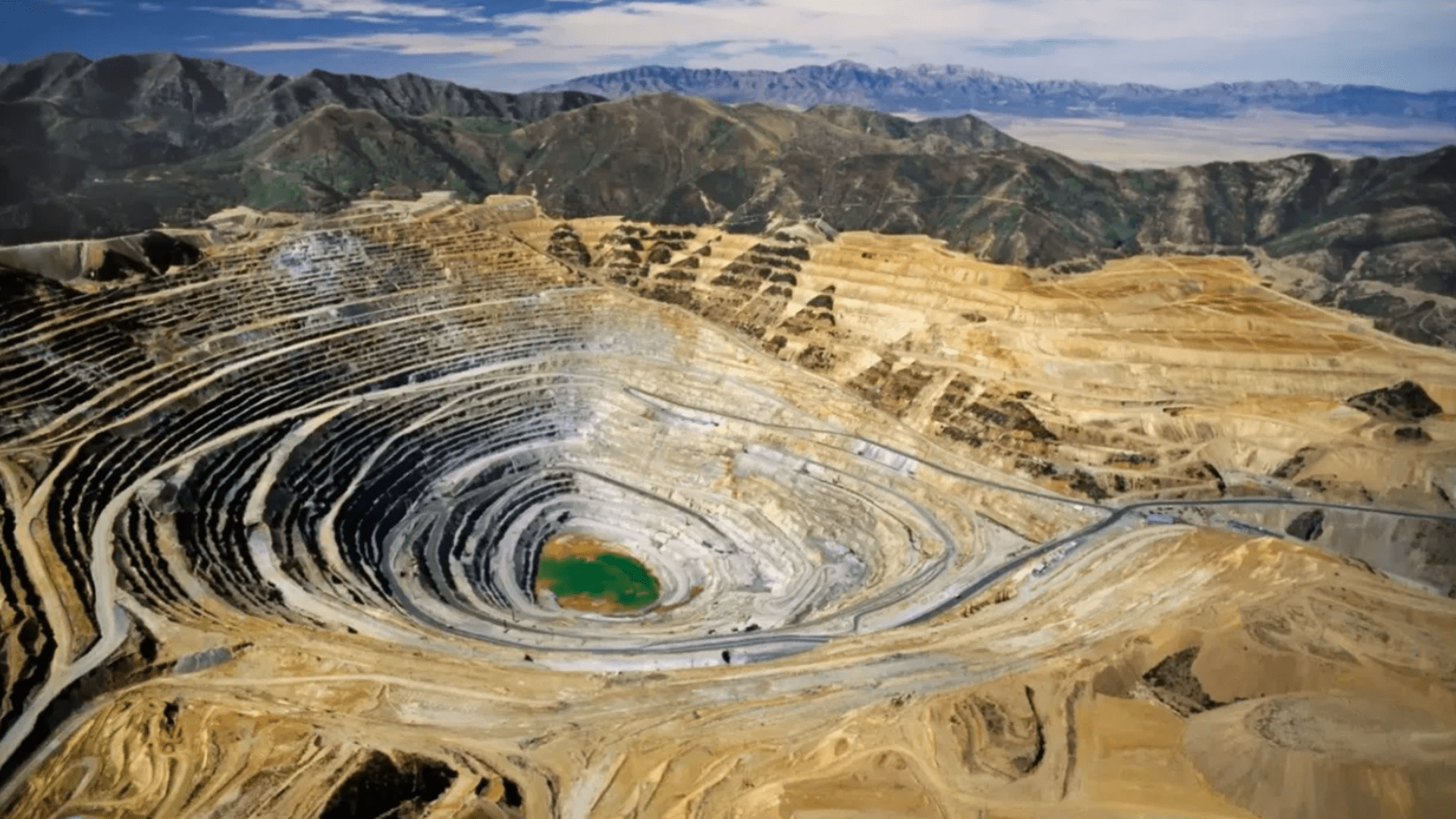
Primary copper mining is facing falling ore grades, rising costs and increasingly complex extraction.
Commissioning new mines also involves long delays, 17 years on average. These delays limit how quickly supply can meet growing demand, even when prices signal a shortage.
Another recent report from PricewaterhouseCoopers suggests that climate change threatens copper mines, which require a constant supply of water but are often operated in regions at risk of drought.
Environmental stress, regulatory hurdles and capital intensity combine to slow the expansion of new production capacity, and secondary supply from recycled sources cannot fill the gap, according to S&P’s analysis.
Although telecom operators’ transition to fiber optic cabling could free up 800,000 tonnes of copper cabling, the contribution remains limited.
Recycling is only expected to represent around a third of total supply by 2040, even under optimistic collection assumptions.
China holds between 40% and 50% of global copper smelting and refining capacity, creating vulnerabilities linked to geographic concentration.
This concentration amplifies systemic risks in sectors dependent on power infrastructure, from power grids to servers built around DDR5 memory channels.
Analysts warn that this concentration increases exposure to geopolitical shocks and broader supply disruptions.
Similar concerns have already emerged regarding rare earth minerals and traditional semiconductor manufacturing.
S&P highlights the need to expand processing capacity beyond existing hubs to reduce reliance on a narrow set of regions.
Some technology leaders, including Broadcom’s CEO, say silicon photonics, which uses light instead of copper for connections, won’t be widely used anytime soon.
Others point out that GPUs remain expensive but still rely heavily on copper for cabling, cooling and power, so copper demand remains high.
Ayar Labs, an Nvidia-backed photonics startup, is targeting hyperscale customers with a GUC design collaboration, but these efforts still depend on physical infrastructure that remains copper-intensive.
Primary production remains the only practical path to closing the gap, S&P concludes.
The scale of projected demand growth suggests that without faster approvals, greater investment, and genuine multilateral cooperation, copper constraints are likely to persist.
Follow TechRadar on Google News And add us as your favorite source to get our news, reviews and expert opinions in your feeds. Make sure to click the Follow button!
And of course you can too follow TechRadar on TikTok for news, reviews, unboxings in video form and receive regular updates from us on WhatsApp Also.


