
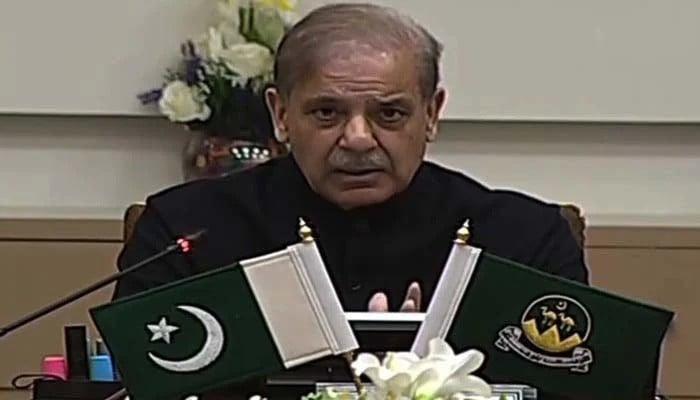
The federal government has decided to formulate a national policy to combat growing terrorism incidents in Balutchistan and Khyber-Pakhtunkhwa, while improving the National Action Plan (NAP) to fight terrorism more effectively.
According to NewsKey political measures and coordinated measures will be taken with the consultation of parliamentary parties, provincial governments and military leaders. In addition, stricter actions will be implemented against groups actively working against the State and those who attack the security forces.
Government representatives revealed that the Prime Minister had organized detailed consultations with significant stakeholders concerning the recent increase in terrorist attacks in Khyber-Pakhtunkhwa and Balutchistan, in particular these targeting the security forces.
It was decided during these consultations that a camera meeting of the National Security Parliamentary Committee will be summoned in the coming days to assess the situation.
As part of the national action plan to fight terrorism, the proposals will be made for the necessary reforms. Based on these suggestions, a final policy will be formulated during a meeting of the National Security Committee.
The government intends to trust Parliament concerning the development of national terrorism policy. Before finalizing the policy, consultations will take place with all the stakeholders concerned.
A decisive operation against groups active against the State in the regions affected by terrorism can also be considered. Federal officials have said that the option of allowing groups to surrender and accepting state authority will remain on the table. Measures will be taken according to state policy, and if negotiations must be prosecuted will be decided after consultations with stakeholders.
The federal government has also decided to raise the question of India’s participation and the use of Afghan soil during the recent terrorist attacks internationally. The case will be addressed to the United Nations and other global forums, urging these organizations to press the two countries to take measures to stop terrorism.
In addition, officials have indicated that the strategy to combat terrorism will include short, medium and long -term plans, with emergency stages to provide the security forces with modern equipment and weapons. Development and employment packages can also be introduced for residents of the areas affected by terrorism.


