Although funding cuts, conflict and climate shocks have strained health systems around the world – disrupting essential services in many countries – governments and partners have nevertheless made notable progress in disease control, prevention and preparedness.
According to the UN health agency, the picture of progress and pressures is mixed. Looking ahead to 2025 highlights both what is possible through evidence-based cooperation and what is at risk if momentum and funding are not sustained..
Victories for disease control
Several countries have reached historic milestones in eliminating infectious diseases.
The Maldives became the first country to achieve “triple elimination” of mother-to-child transmission of HIV, syphilis and hepatitis Bwhile Brazil has eliminated mother-to-child transmission of HIV, making it the most populous country in the Americas to achieve this goal.
Progress has also been made in the fight against neglected tropical diseases. Burundi, Egypt and Fiji have eliminated trachoma; Guinea and Kenya have eliminated sleeping sickness; and Niger became the first African country to eliminate river blindness. Since 2010, the number of people requiring treatment for a neglected tropical disease has fallen by almost a third.
Deaths from tuberculosis (TB) continued to declineparticularly in Africa and Europe, which have seen reductions of more than 45 percent over the past decade. Yet the disease has claimed the lives of an estimated 1.2 million people in 2024, underscoring continued risks from HIV, undernutrition and other factors.
The fight against malaria has also made progress. Georgia, Suriname and Timor-Leste were certified malaria-free, while seven other African countries introduced malaria vaccines in 2025. Combined with newer tools, including improved bed nets, these efforts prevented an estimated 170 million cases and one million deaths in 2024.
A doctor examines a newborn baby at a hospital in Kathmandu, Nepal.
Global health cooperation
Beyond disease-specific progress, 2025 also marked significant advances in global health cooperation.
Countries have adopted the the first global agreement on the pandemic and strengthened the International Health Regulations (IHR), laying the foundation for a faster and more equitable response to future health emergencies.
World leaders approved a historic political declaration on noncommunicable diseases and mental health. New evidence-based guidance has also been published covering areas from maternal care and meningitis to diabetes in pregnancy and anti-cancer drugs suitable for children.
Healthier lives, uneven progress
The WHO World Health Statistics 2025 report reveals that 1.4 billion more people live healthier livesthrough reduced tobacco consumption, cleaner air and improved water and sanitation.
Vaccination has remained at the heart of this progress. Global vaccination efforts have reduced measles deaths by 88 percent since 2000, saving nearly 59 million lives. By 2025, several countries have expanded vaccination against human papillomavirus (HPV), bringing the world closer to eliminating cervical cancer.
Yet challenges persist. Twenty million children have not received essential vaccines due to conflicts, supply disruptions and misinformation. Maternal and child deaths are also not decreasing fast enough to achieve the global goals, highlighting the need for greater investment in primary health care and safe birth programs.
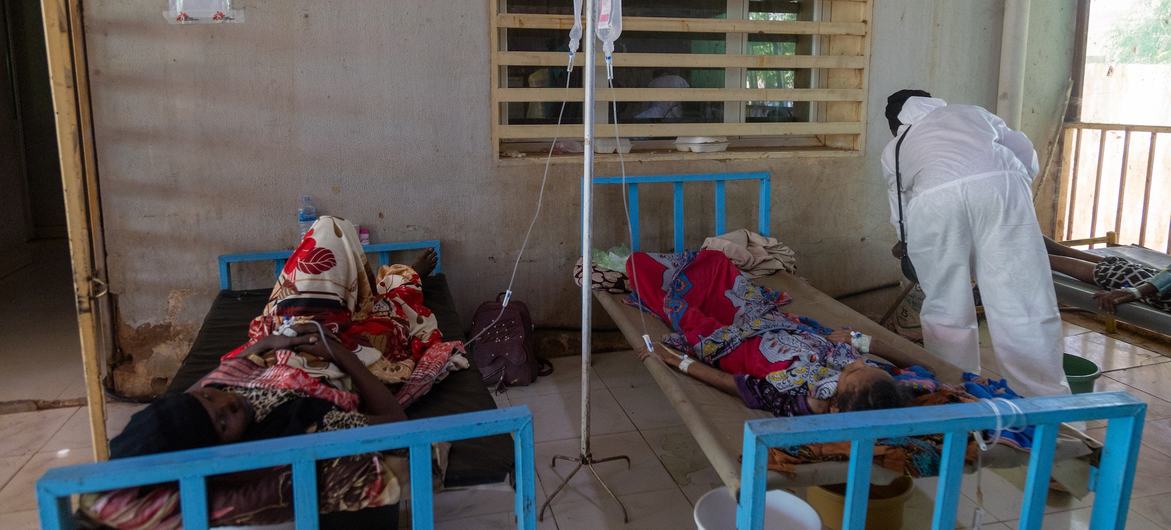
Children and adults suffering from cholera are treated in an isolation center at a hospital in Khartoum, Sudan.
Financial pressures, response to the crisis
Funding cuts in 2025 disrupted services including maternal care, immunization, HIV prevention and disease surveillance, with the WHO warning that reduced funding could reverse hard-won progress.
Despite these pressures, WHO has supported rapid responses to health emergencies and crises in 79 countries and territories, including Gaza, Sudan and Ukraine, providing emergency medical aid and helping to contain outbreaks.
He delivered medicines, helped keep hospitals open, participated in vaccination campaigns and ensured people could still access regular health services – “because babies still need to be born, heart attacks still need to be prevented, and diabetes still needs to be treated, even in an emergency.”
Looking to the future
Looking ahead to 2026, WHO sees the adoption of the first pandemic agreement and the strengthening of the International Health Regulations as signs of a renewed global commitment to preparedness.
He emphasizes that it remains guided by the principle stated at its creation in 1948: according to which the best state of health that it is capable of achieving must be a right for everyone and not a privilege for a few.
“Together,“The WHO emphasizes: “through science, solutions and solidarity, we can build a healthier, safer and more promising future for all.»
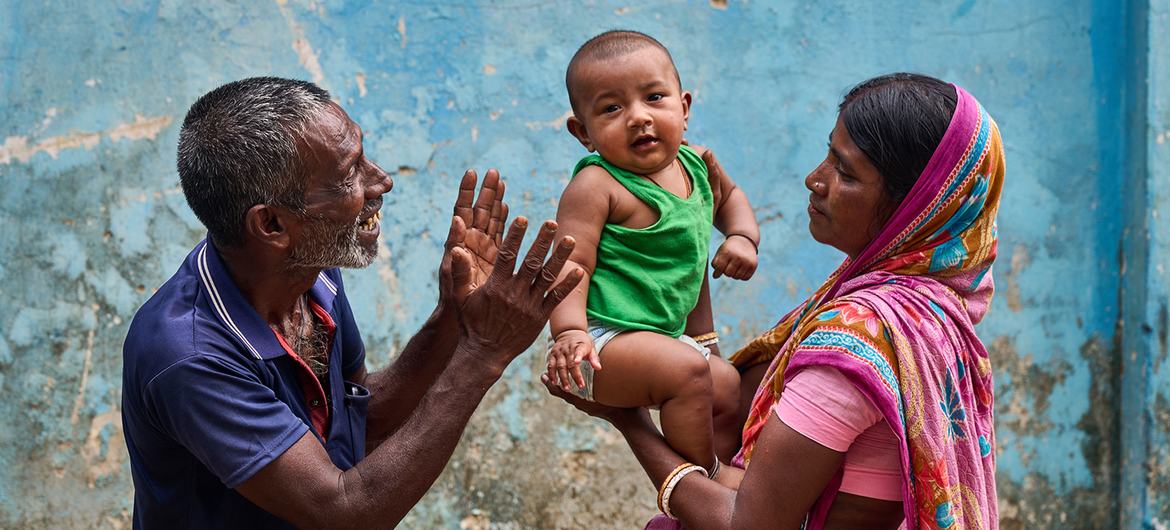
A baby is held by his mother and entertained by his grandfather at a community clinic in northern Bangladesh.