
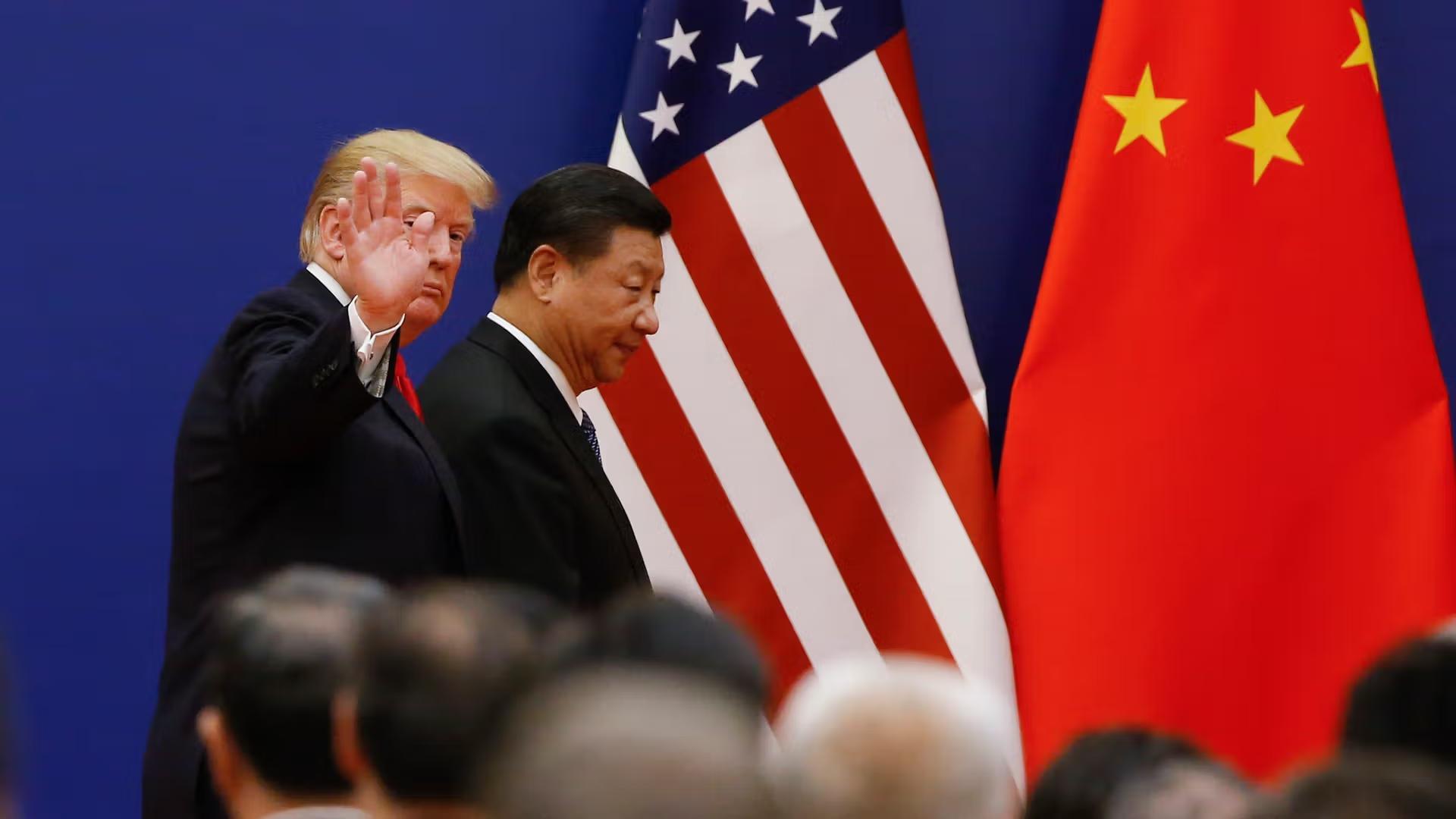
China’s response to President Trump’s aggressive trade policies is quietly disrupting global cash flows, with knock-on effects all the way to crypto markets.
Since taking office early last year, President Trump has imposed high tariffs or import taxes on nearly all products entering the United States, including those from China, the world’s second-largest economy and the world’s factory. As of January 2026, the average U.S. tariff on Chinese imports was approximately 29.3%.
In response, China has adapted to Trump’s tactics, with tight control of the yuan exchange rate playing a key role in its resilience.
According to a recent JPMorgan note, this stance on exchange rate management has helped Beijing preserve export competitiveness and contain deflation, while amplifying dollar-driven liquidity cycles during periods of trade tensions.
In other words, China’s exchange rate management tends to overwhelm dollar-generated cash flows when trade tensions escalate, much like storms worsen flooding.
This affects bitcoin, which is a macro-sensitive asset. It collapses when risk aversion induced by tariffs makes dollar liquidity scarce and rebounds when tensions ease. This is exactly how bitcoin traded in March-April last year after trade tensions escalated.
China’s influence on cryptocurrency prices is exerted indirectly through currency management and global liquidity cycles, the data suggests, unlike in the United States, where it is exerted directly through capital movements in exchange-traded funds and other alternative investment vehicles.
This interpretation aligns with the arguments of Arthur Hayes, who characterized U.S.-China trade deals as largely performative and emphasized that real economic adjustment occurs through more discrete routes.
He said tariffs and negotiations set the policy context, while foreign exchange policy, capital account tools and Treasury-led liquidity management determine market outcomes.
JPMorgan’s outlook reinforces this logic. China may not allow the yuan to strengthen significantly, but the interplay between tariffs, foreign exchange management, and dollar liquidity continues to shape the macro environment in which bitcoin is traded.
China’s resilience
According to the latest Asian outlook from JPMorgan Private Bank, China’s export engine remains resilient, with real exports on track to grow by around 8% in 2025 and global market share reaching around 15%, despite a dense web of US tariffs, and Chinese exports to the US falling below 10% of the total.
This resilience reflects diversification into ASEAN and other regions, as well as a deliberate decision to closely manage the yuan rather than letting it appreciate.
China’s yuan has strengthened about 4% over the past year from its 2023 low, but on an annual basis in 2025 it is only slightly stronger against the dollar, underscoring how tightly managed and range-bound the currency remains.
According to the bank, any recent strength in the yuan is likely seasonal, with the medium-term outlook pointing to a stable and limited trajectory as policymakers prioritize export competitiveness and grapple with stubborn deflationary pressures.
The bank warned that the bar for significant yuan appreciation remained high, describing the currency as operating within a low-volatility management framework in which movements are largely dictated by the dollar.
For crypto markets, this framework shifts the focus from sustained yuan appreciation to liquidity transmission.


