
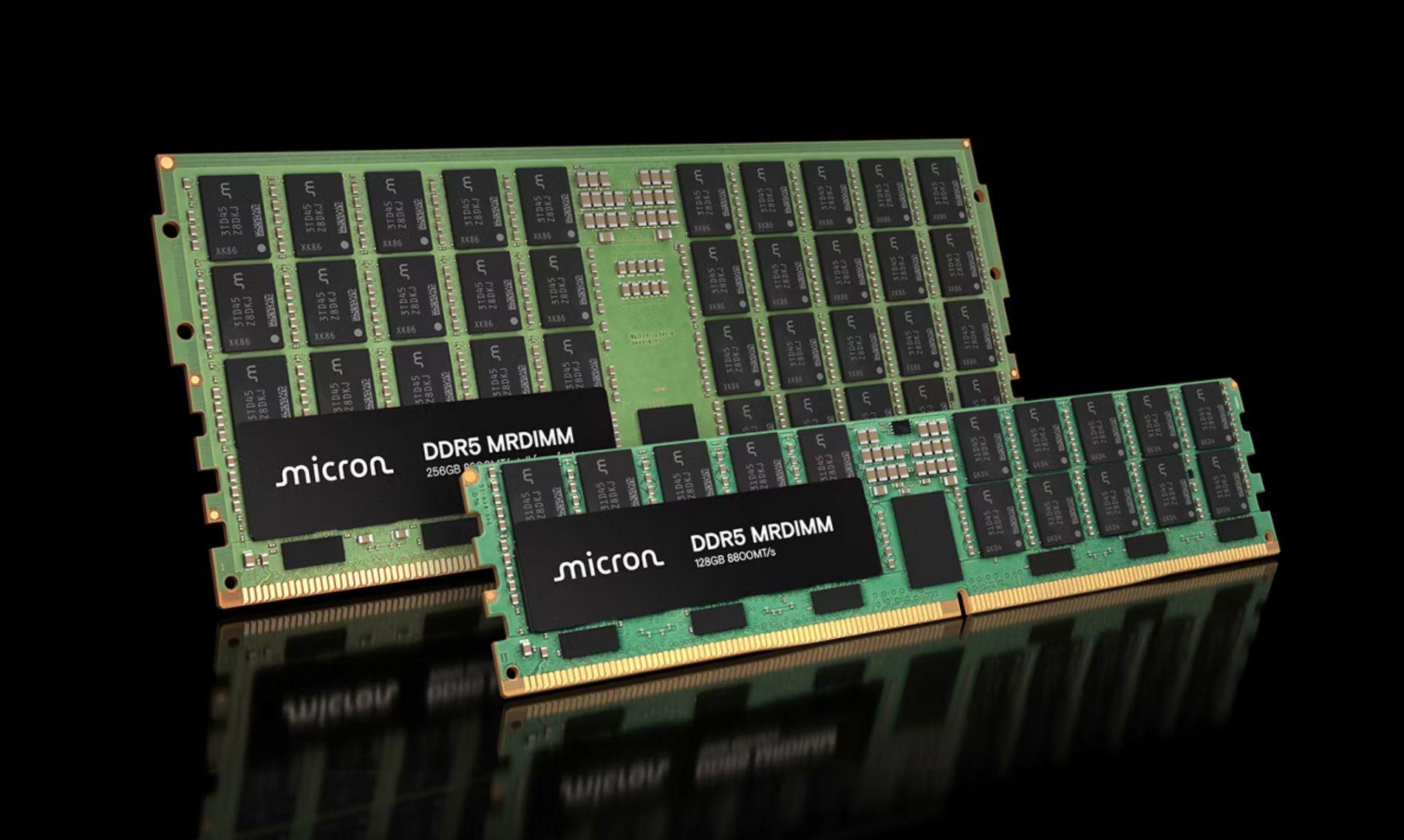
- Prices of high-capacity DDR5 DRAM increased sharply between late 2025 and early 2026
- TrendForce forecasts see continued price growth despite apparent stabilization in retail
- Server-focused modules have taken up most of the wafer production, reducing PC supply
A recent price trend from PCPartPicker suggests that memory prices may be stabilizing after months of volatility, particularly for higher capacity kits.
This apparent calm contrasts sharply with separate forecasts from TrendForce, which indicate that PC DRAM contract prices could rise significantly in early 2026.
These conflicting signals reflect a market in which short-term retail averages and longer-term supply agreements move on different trajectories.
Supply adjustments reshape availability
The gap between observed prices and prospective contracts has widened, creating uncertainty rather than reassuring buyers tracking DDR5 DRAM costs.
Memory vendors have made clear adjustments to how they allocate production capacity across product categories.
Server-focused modules are increasingly absorbing available wafer production, exposing laptops and related products to tighter supply requirements.
Suppliers have associated this change with selective allocation practices that favor large original equipment manufacturers while reducing the volumes available to independent module manufacturers.
This sourcing discipline has created room for upward contract revisions as suppliers narrow historical price gaps between PC and server memory.
TrendForce data tracking average sales prices per gigabit shows limited movement through most of 2025.
From the first to third quarters of the year, PC and server memory lines remain largely stable, indicating controlled supply and stable demand.
This trend changes abruptly in the last quarter of the year, when prices in both segments begin to rise almost simultaneously.
Server-class DDR5 RDIMM prices are rising more sharply, while PC-targeted SODIMM prices are following a gentler upward slope, confirming that the shift has occurred on a market-wide basis rather than in isolation.
The largest movement appears between the end of 2025 and the first quarter of 2026, when contract prices increase rapidly.
Trend strength projections show a continued increase through the end of 2026, although at a slower pace after the initial jump.
It is important to note that forecasts do not show any reversal or correction once prices reach higher levels.
Instead, PC and server DRAM appears to be settling into a higher, sustainable range, with server memory maintaining a consistent per-gigabit premium.
Demand related to large-scale AI deployments is at the center of this volatile pricing situation.
Data center operators continue to expand their memory-intensive systems to support training and inference workloads, increasing the consumption of high-capacity DDR5 modules.
This sustained attraction of AI infrastructure has reinforced vendor preference for server and data center memory, indirectly limiting the availability of PC-focused products.
Many observers have called the recent slowdown in price increases a stabilization, even though the underlying data does not indicate an improvement in affordability.
Prices appear to stabilize only after reaching levels that limit purchasing activity.
This trend suggests that stability may reflect buyer resistance rather than healthier supply conditions.
If demand remains constrained while suppliers maintain their current allocation strategies, high prices could persist longer than many market participants expect.
Follow TechRadar on Google News And add us as your favorite source to get our news, reviews and expert opinions in your feeds. Make sure to click the Follow button!
And of course you can too follow TechRadar on TikTok for news, reviews, unboxings in video form and receive regular updates from us on WhatsApp Also.


