
Hong Kong missed its own March timeline for HKD stablecoin licensing, with the Hong Kong Monetary Authority (HKMA) yet to approve any issuers despite public signals that the rollout would begin last month.
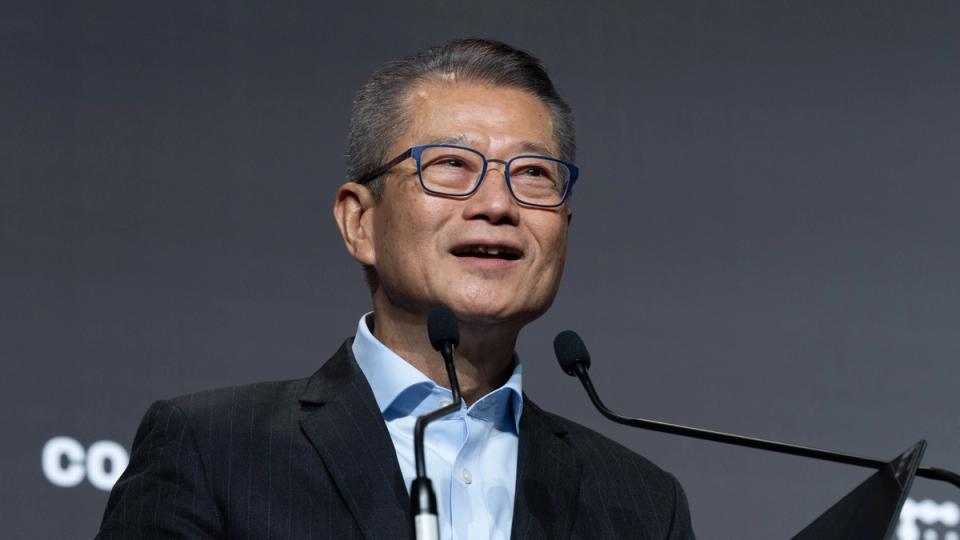
At Consensus Hong Kong in February, Financial Secretary Paul Chan Mo-po said licenses would begin to be issued in March as part of the city’s efforts to position itself as a regulated hub for stablecoins and token finance. The lack of approvals so far pushes that deadline until April and raises questions about how quickly the framework will move from policy to implementation.
“By granting our licenses, we ensure that licensees have new use cases, a credible and sustainable business model and strong regulatory compliance capabilities,” he said at the CoinDesk conference in Hong Kong.
Hong Kong’s South China Morning Post reported in March that HSBC and a joint venture between Standard Chartered and Animoca are expected to be among the first recipients of stablecoin licenses.
HSBC and Standard Chartered are two of the city’s note-issuing banks, a status that ties them directly to the Hong Kong dollar issuance framework and highlights how closely the stablecoin regime is tied to the existing monetary infrastructure.
This system dates back to 1846, when private banks began issuing currency backed by silver deposits in the absence of a colonial central bank.
Today, each note-issuing bank deposits US dollars into the government’s Exchange Fund at a fixed rate of HK$7.80 per dollar and receives debt certificates in exchange, against which it prints bank notes.
HKMA chief executive Eddie Yue made the parallel in a December 2023 blog post.
Pre-1935 banknotes issued by commercial banks in exchange for deposited money were a form of “private money,” Yue wrote, and stablecoins function like their blockchain-based equivalent — tokens with a stable value that can serve as an on-chain medium of exchange.
An HKMA spokesperson did not give a reason for the delay.
“The HKMA is actively advancing the licensing issue and will announce more details in due course,” a spokesperson told CoinDesk.


