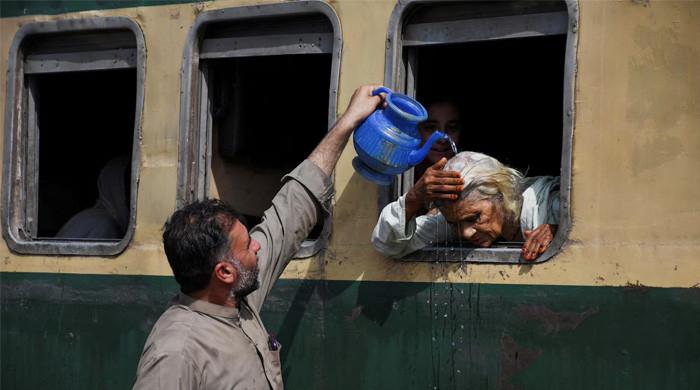
Heat is now the main cause of deaths linked to bad weather worldwide, with around 489,000 people who die from heat -related causes each year, according to the World Health Organization (WHO).
As extreme temperatures also become more common in Pakistan, let us also plunge into WHO directives to help people stay safe during heat waves.
In extreme heat, the human body has difficulty regulating internal temperature, increasing the risk of thermal exhaustion, renal lesions and cardiovascular stress. The effects can be sudden and severe: hospitalizations and deaths can increase in hours or days after the start of the heat wave.
Who stresses that the impacts on heat health are predictable and largely avoidable. With effective public health measures and coordinated action between sectors, many deaths and diseases can be avoided.
However, awareness is low among health workers and the general public.
The WHO recommends staying inside during the hottest periods of the day, and keeping the living spaces fresh by blocking direct sunlight with curtains or blinds and ventilating at night. The use of fans or air conditioning, if available, can offer critical relief, with air conditioners recommended at 27 ° C.
Even a few hours in a fresh environment every day can considerably reduce the risk of heat -related disease.
Hydration is another key aspect of thermal protection. People are advised to drink water regularly, even if they are not thirsty, about one cup per hour and at least 2 to 3 liters per day.
They should avoid drinks that can cause dehydration, such as alcohol and sugary drinks. Eating lighter meals, more frequently can also help the body cope with high temperatures.
Taking ars or fresh baths can help down the body temperature, and those who have to get out of the outside must remain in shaded areas as much as possible. Light and cowardly clothing in breathable fabric, as well as hats and sunglasses with large edges, can offer additional protection outside.
Who also emphasizes the importance of checking family, friends and neighbors, especially those who are older, live alone or have health problems that put them more at risk during extreme heat.
“Some people are particularly vulnerable to the effects of heat, especially young children, the elderly and people with chronic health problems, so stay in touch with family, friends and neighbors, especially those who spend a large part of their time alone.