
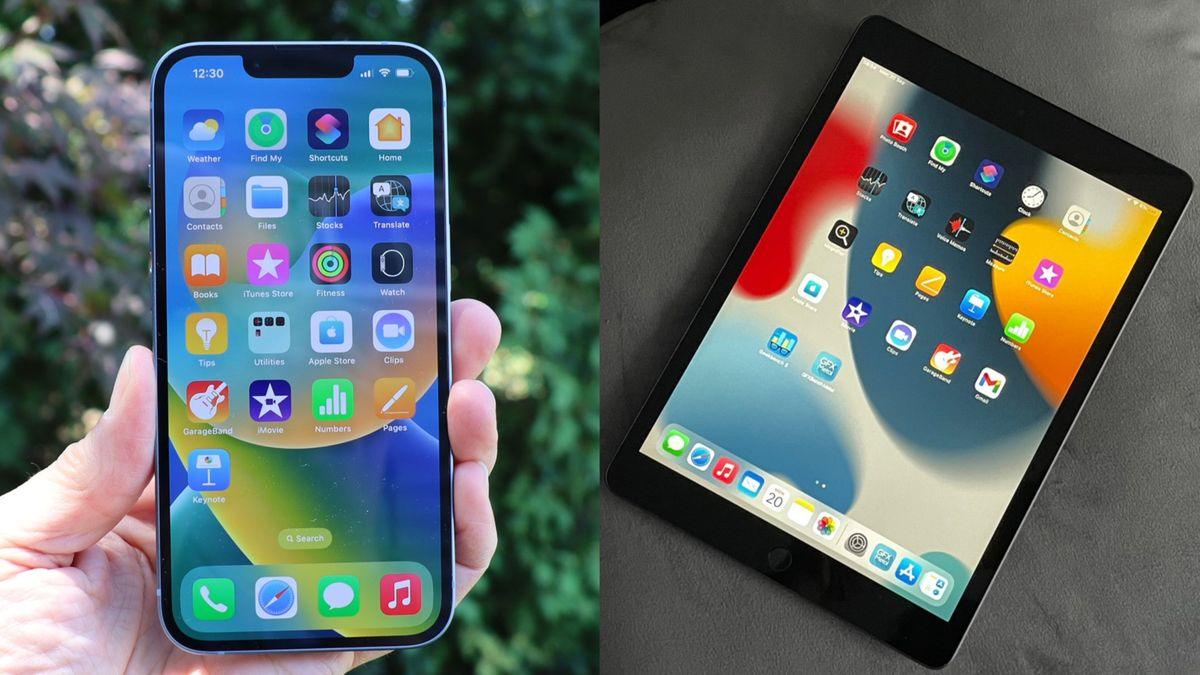
One of the often praised advantages of the purchase of Apple products is their transparent compatibility with other Apple products. Thanks to iCloud, it is possible to synchronize your data, applications, photos and contacts on iPhone, iPad and other Apple devices.
However, some of these parameters can be easy to miss, and it is pleasant to know how to manually synchronize different applications and data as you wish.
This guide focuses on how to synchronize the iPhone with iPad, in particular, because you will probably be eager to have each device reflect the other with regard to files and settings.
Tools and requirements
- iphone
- ipad
- Apple account
- Internet connection
Steps to synchronize the iPhone with iPad
- Connect to your Apple account on both devices
- Head to the iCloud menu in the Settings app for each device
- Turn the applications and services you want to synchronize on iCloud
- Check that iCloud synchronization works
Step by step guide to synchronize the iPhone and iPad
1. Connect to your Apple account
(Image: © Jamie Richards / Future)
The first step to synchronize your iPhone with your iPad is Make sure you are connected to the same Apple account on both devices.
On the iPhone and iPad, you can connect to your Apple account by Go to the Settings application and press the Apple Account tab.
You will then have the possibility of connecting yourself manually, with your email address and password, or by bringing another device signed nearby.
2. Head to iCloud settings
(Image: © John-Anthony Disotto / Future)
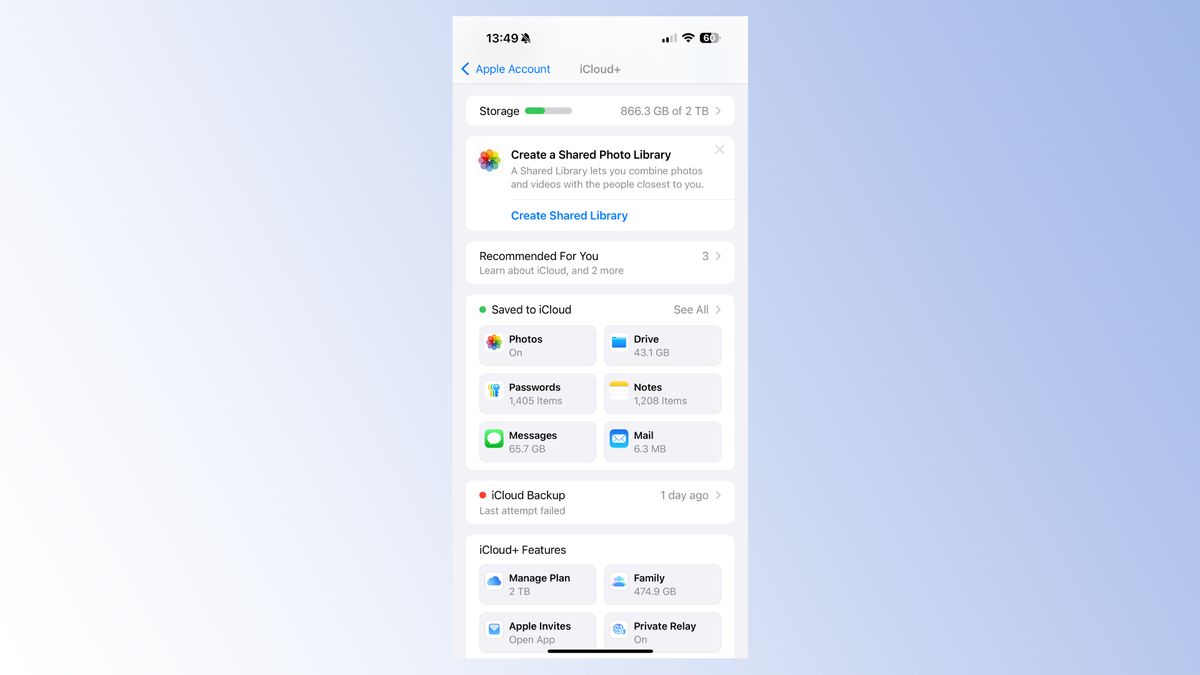
Once you are connected to the same Apple account, Go back to the Settings application. You should see your name at the top of the parameter list. Go to the iCloud menu Found in this tab.
In the iCloud menu, you should see a box called Recorded on iCloud.
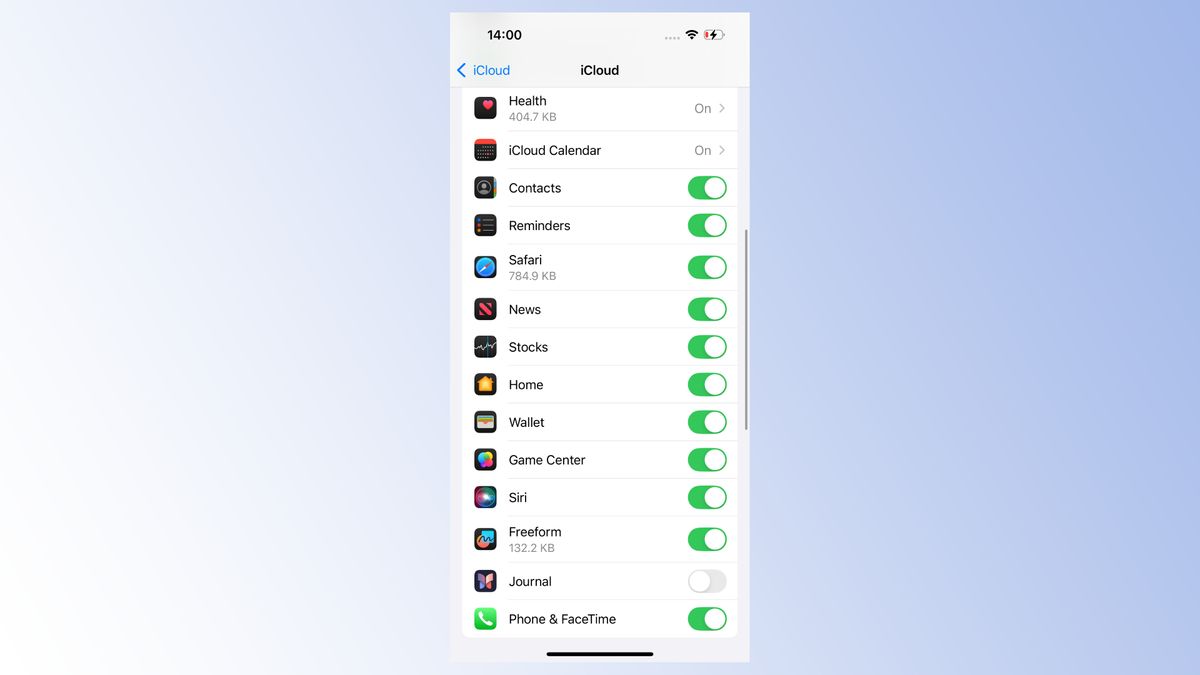
Taping This box brings you to a list of tilting options to synchronize things like your calendar, your photos and your note applications. The change of rocking in position is allowed this application or a particular function to connect to iCloud.
This means that to synchronize an application between your iPhone and iPad, you must Adjust the switch to the position on the two devices.
Keep in mind that iCloud storage is limited to 5 GB by default, with more space purchased via iCloud + subscription plans. Photos and videos, especially, can eat this 5 GB for free very quickly.
3. Check that iCloud synchronization works
(Image: © Jamie Richards / Future)
After defining your desired applications to synchronize your iPhone and iPad, it is wise to check that Icloud is working properly.
If all goes as planned, you should see photos, calendar events, notes and contacts appear on the two devices – subject to the applications that you have selected to synchronize, of course.
Once the synchronization is activated, the data will automatically synchronize on each device when creating their creation, it is therefore not necessary to synchronize manually.
If you want to stop synchronizing, it’s as simple as Return to iCloud and deselect parameters the application or function In question – although this will result in the disappearance of synchronized data of all except its original device.
Keep in mind that it can take a little time for each device to catch up, so don’t worry if your data does not appear immediately. If, after a few hours, things still don’t work, it might be useful to contact Apple customer support.
If you are still thinking of taking an iPhone or iPad, be sure to consult our lists of the best iPhones and the best iPads.


