
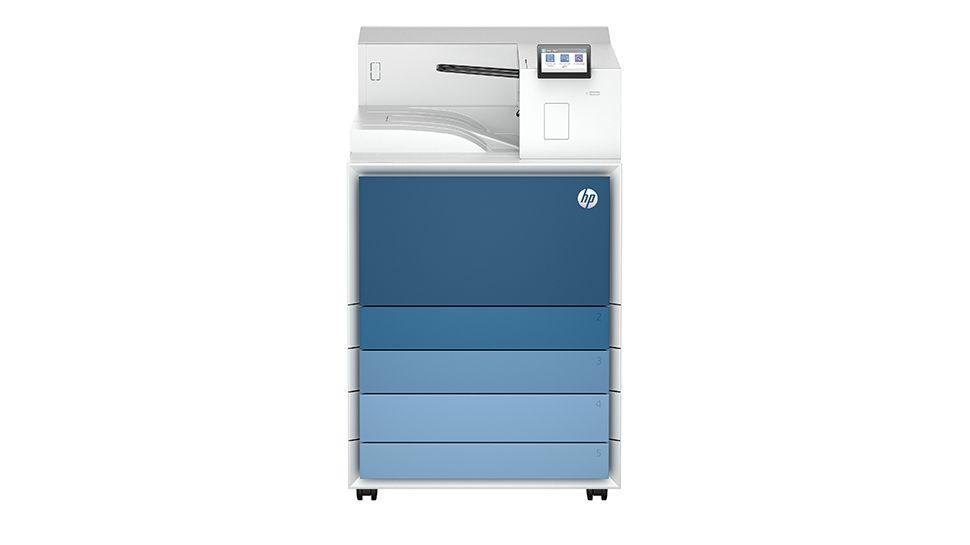
- Quantum computers could crack encryption, even putting printers in danger
- The new HP models include fleas to withstand firmware attacks at the quantum level
- They also support Zero Trust and the protection of BIOS at an early stage
Quantum IT is largely considered to be the next major jump in technology, but also represents a security threat, as it could break the encryption systems that protect everything from online banks to government data.
The idea that large quantities of sensitive information could be cracked in seconds by a future quantum machine is naturally a great concern, and even printers could be at risk – and to solve this problem, HP announced how it calls the first printers in the world designed to protect against such attacks.
The new 8000 series of A3 printers, including the HP Color Laserjet Enterprise MFP 8801, the Mono MFP 8601 and the LaserJet Pro Mono SFP 8501 (which can produce up to 70 ppm), also include ASIC -updated chips designed with quantum -resistant cryptography.
Updated asic chips
“Without quantum resilience, a printer confronted with a quantum attack at the firmware would be fully exposed thanks to malicious firmware updates, giving the attacker a stealth, persistent and total control of the device,” said the company.
HP also claims that equipment is designed to secure BIOS and firmware at an early stage, limiting the risk of handling thanks to false updates. The new models also have confidence safety approaches, helping companies manage their printed fleets safely.
There is not yet a word for pricing or availability of new printers, but this decision follows the previous introduction of professional PCs by HP with protection against firmware against quantum threats. The company said it was planning to apply cryptographic algorithms resistant to quantities on its PC and printers’ product ranges.
HP also notes that many printing contracts take place for several years, companies should consider this calendar in their next purchasing decisions to avoid future compliance shortcomings.
Although Quantum Computing, it is still far from making its full potential, Google and Microsoft have made a number of breakthroughs in this area.
More recently, Microsoft took the Wraps of Majorana 1, its first quantum chip in its kind with a topological basic architecture.


