
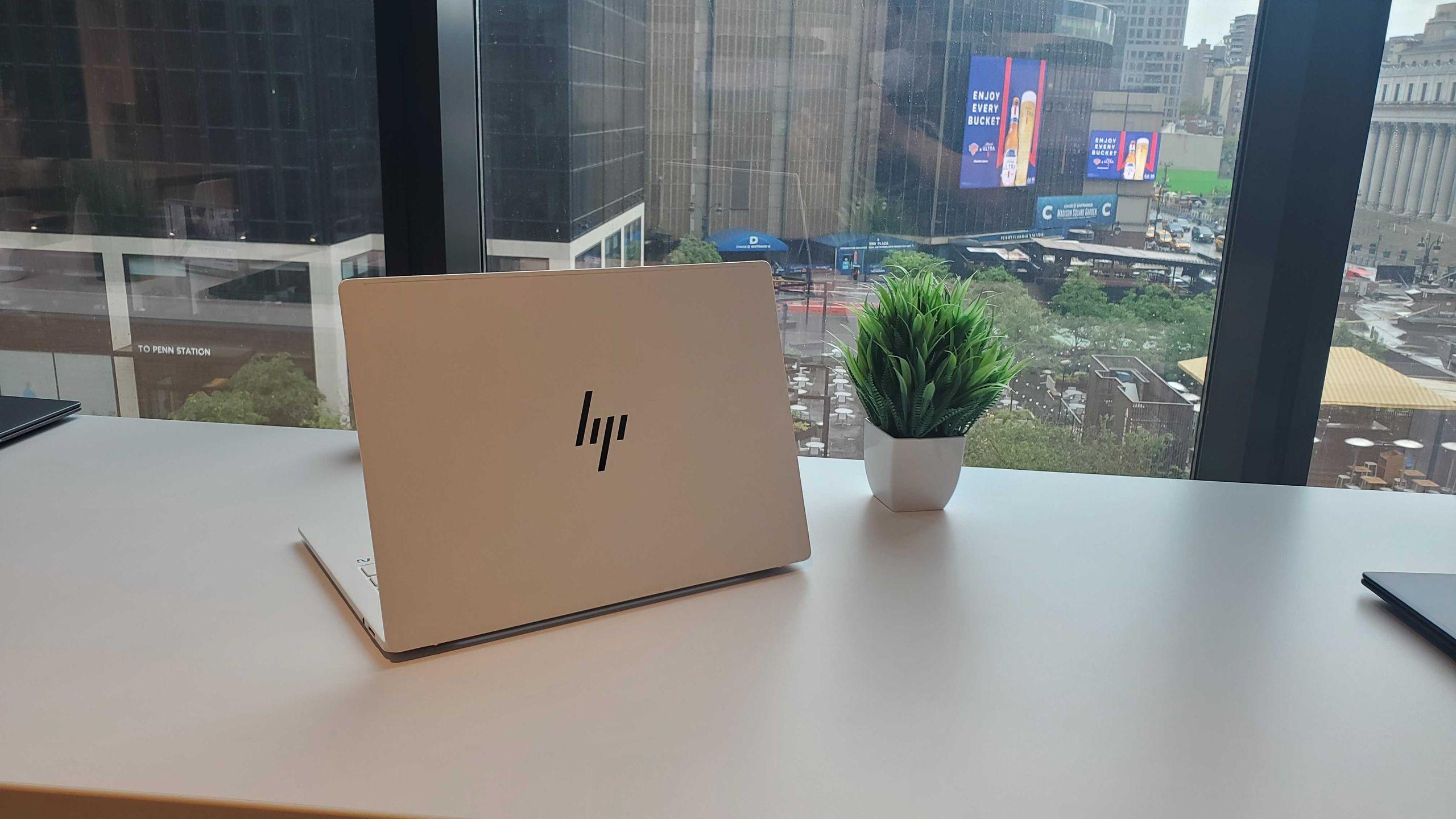
- HP says memory accounts for about 35% of PC cost, up from 15% to 18% in a quarter
- The company and analysts expect volatility to continue for some time to come.
- HP consumer devices still sell well, but Canalys anticipates costly impacts
HP revealed that the cost of memory now represents about a third (35%) of its PC bill of materials, up from about 15-18% last quarter, which represents a very sharp increase.
And worse, the company expects volatility in memory chip prices to continue into next year, largely driven by demand for AI data center components, which is straining consumer supply.
Looking ahead, HP expects the percentage of RAM in the PC bill to increase before stabilizing or decreasing, which could lead to higher prices for consumers.
HP Says Computer Memory Is Getting More Expensive
To mitigate some price increases, HP has entered into long-term supply agreements and qualified new suppliers to diversify its supply. And while the company blames AI for driving up costs, it also uses AI in its supply chain planning to reduce costs in areas like logistics.
The company is combining several approaches, including increasing final costs and reconfiguring devices, to maintain healthy margins and not pass on such price increases to consumers.
Bruce Broussard, HP’s interim CEO, praised the strong performance of personal systems, including “the continued momentum of AI PCs.” The company reported a 6.9% year-over-year increase in quarterly revenue. Personal systems (PS) revenues increased 11%, consumer PS revenues increased 16%, and commercial PS revenues increased 9%.
HP is not alone in feeling the effects of the shock, however, as the entire industry prepares to absorb or pass on the increased costs. “Conventional DRAM demand is growing alongside HBM as AI inference workloads increase, leading to exceptional near-term price growth,” noted Omdia Senior Principal Analyst Lino Jeng.
Another Omdia article hints at a potential decline in the semiconductor market if AI had not stepped in and created such a surge.
Looking ahead, Omdia researchers predict “continued supply-side pressures” and “cost increases passed on to customers” following a 40-70% increase in PC memory and storage costs throughout 2025.
Follow TechRadar on Google News And add us as your favorite source to get our news, reviews and expert opinions in your feeds. Make sure to click the Follow button!
And of course you can too follow TechRadar on TikTok for news, reviews, unboxings in video form and receive regular updates from us on WhatsApp Also.


