
- BMW thinks there’s life left in hydrogen powertrains
- The iX5 Hydrogen will enter production in 2028
- Engineers say this is a true BMW X5 without compromise
BMW is moving forward with its Neue Klasse electric vehicle range, which already includes the i3 which will serve as the next-generation electric version of the popular 3 Series, as well as the more conventional SUV form of the iX3.
Building on this lineup, BMW is also preparing the next iteration of its 5 Series, starting with an all-new X5.
The iX5’s sleek body has already been photographed by numerous spy photographers, but the German brand has officially revealed that it plans to produce a variety of powertrains on the same production line, including pure electric powertrains, plug-in hybrids and… hydrogen.
Article continues below
Despite extremely low adoption levels for fuel cell vehicles, which promise the same fill times as conventional combustion engines with nothing more than water emitted from the tailpipes, BMW believes there is still life left in the technology.
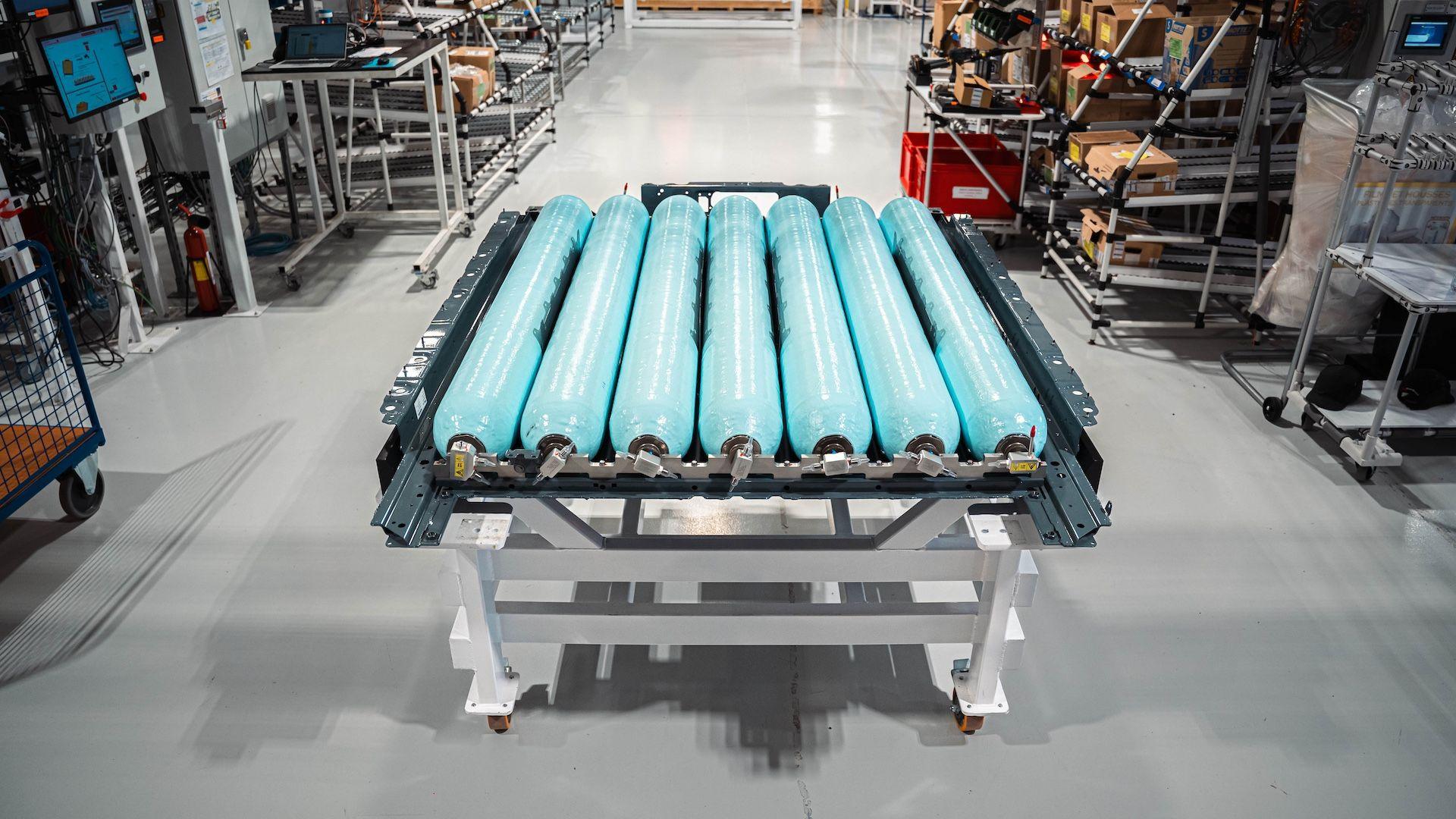
So much so that its engineers came up with a new way to package the system so that seven 700-bar high-pressure hydrogen tanks sit flat side by side and become part of the powertrain.
According to its designers, this unique setup combines the brand’s fuel cell system and latest high-voltage battery design, along with the Heart of Joy transmission and chassis control software, as well as the BMW Dynamic Performance Control that has been praised about the iX3.
“Think of it like a Tetris installation: each customer gets the drive system best suited to their needs and a real BMW X5 without compromise,” explains Dr. Joachim Post, member of the Board of Management of BMW AG responsible for development.
Additionally, the hybrid system’s clever packaging means it does not hamper interior space, while the 7kg of stored hydrogen can be refilled in less than five minutes and allow up to 385 miles of emissions-free driving when fully filled.
BMW says it will introduce the hydrogen model to its iX5 range by 2028.
Analysis: hydrogen remains seriously imperfect
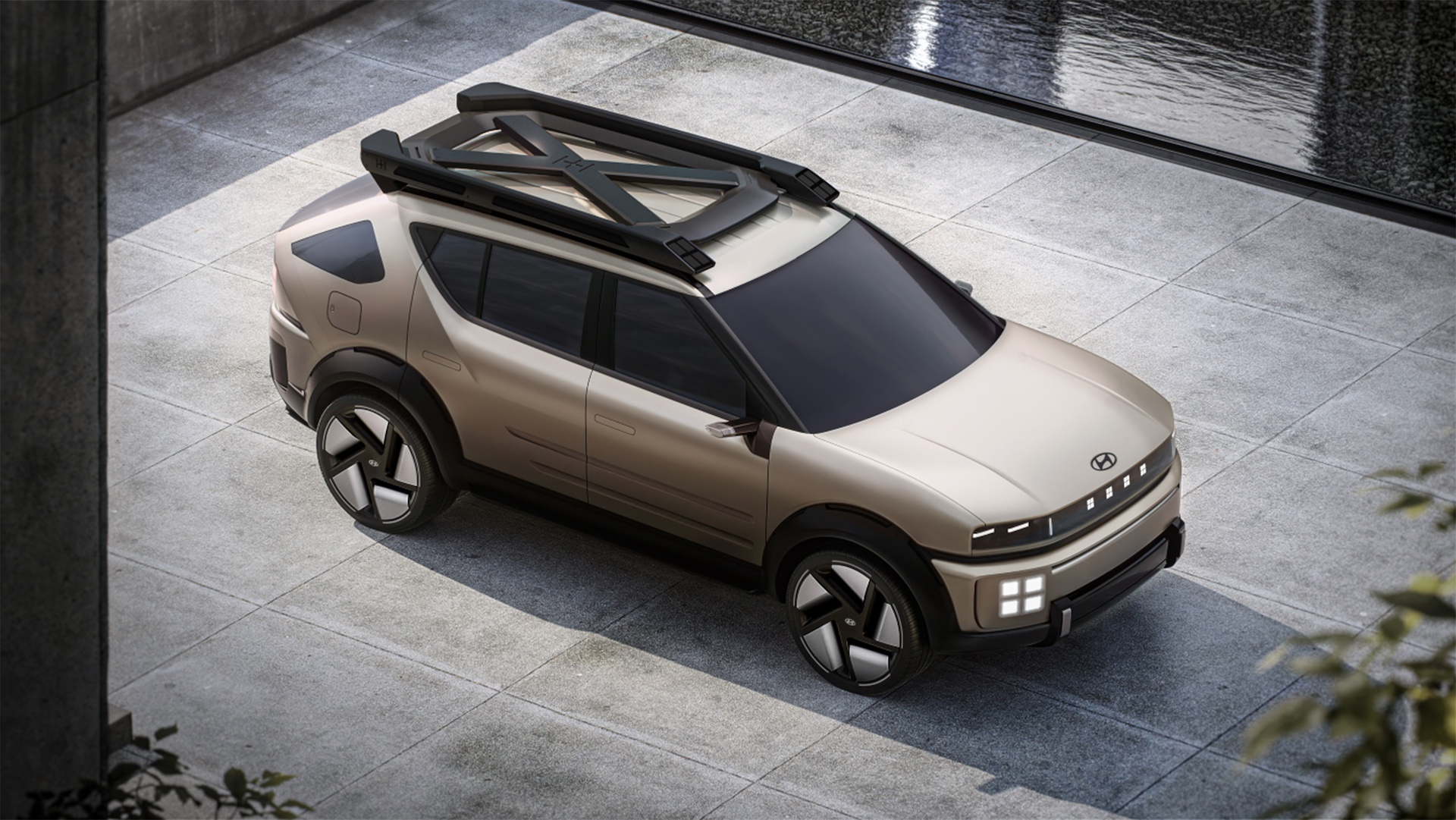
Read to the end of BMW’s hydrogen announcement and you’ll find that the project was co-funded by the state of Bavaria to the tune of €82 million, while the German Federal Ministry of Transport is adding a further €191 million to the hydrogen research projects.
Often touted as the happy medium between battery electric vehicles and combustion engines, thanks to its fast refueling times, hydrogen has failed to find its audience, with only some markets, such as South Korea, continuing to develop the technology.
In fact, a UK Energy Research Center study found that sales of battery electric vehicles outnumber hydrogen fuel cell models by 1,000 at the time of writing in 2025, and that more Ferraris are sold each year than all makes and models of fuel cell vehicles combined.
Added to this is a glaring lack of infrastructure, with press releases celebrating the fact that there were more than 1,000 gas stations worldwide by the end of 2024, even though more than 50% of them are located in Asia.
Europe has around 200 stations, while at last count the US had just 89. It’s clearly not a popular option and, despite a huge amount of development work by companies like Toyota and Hyundai, it remains slow.
Although German industry experts and policymakers are clearly convinced that hydrogen is still expected to play a role in tomorrow’s energy mix, battery electric vehicle technology is accelerating at a pace that cannot be ignored.
With several Chinese brands now proving that electric vehicle charging times can take as little as five minutes, it seems counterintuitive to invest in the infrastructure needed to create a reliable hydrogen refueling network.
Additionally, research has shown that hydrogen production results in significant carbon emissions unless green energy sources, such as wind or solar, are used.
The UK Energy Research Center concludes in its analysis that even if green hydrogen could be produced without emissions, each megawatt hour of clean electricity used to produce hydrogen is one less that could replace coal or gas on the electricity grid, or be used to power electric vehicles.
Follow TechRadar on Google News And add us as your favorite source to get our news, reviews and expert opinions in your feeds. Make sure to click the Follow button!
And of course you can also follow TechRadar on YouTube And TikTok for news, reviews, unboxings in video form and receive regular updates from us on WhatsApp Also.


