
- Sony LinkBuds Clip launching for $229 / £180 / AU$329.95 in January 2026
- 10mm drivers, DSEE scaling and AI noise reduction for calls
- After a first test they fit well, but I’m concerned about the sound
Sony has unveiled the LinkBuds Clip, which are its first clip-style open earbuds. Sony has enjoyed a streak of creating some of the best open-ear headphones we’ve tested to date (and will happily claim to have invented the category with the original Sony LinkBuds, although it depends on whether you consider AirPods-style headphones to be open-ear, but I digress), although the company has never tried this style of “earbud” until now.
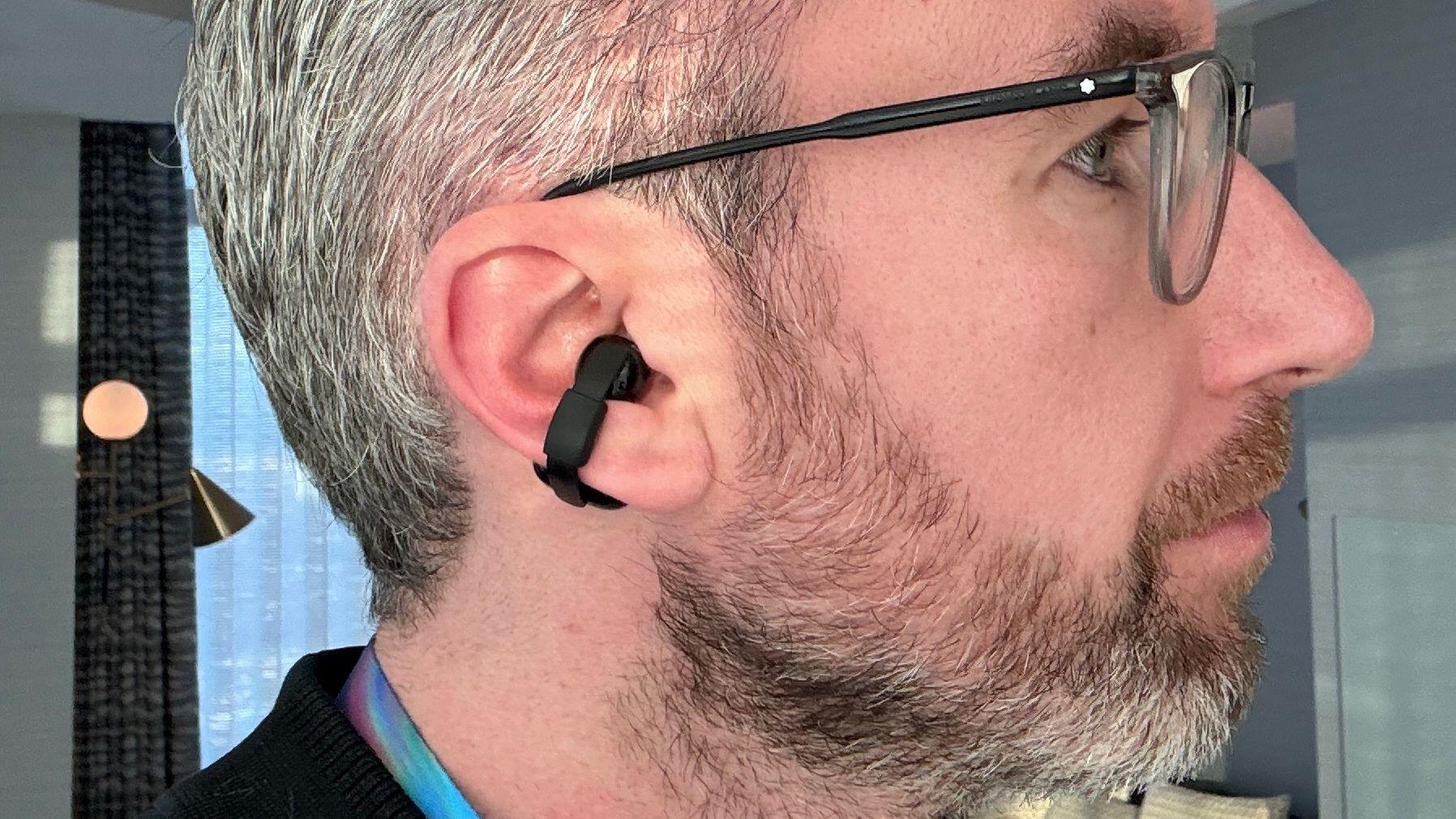
The Sony LinkBuds Clip features a 10mm driver, and like all clip-style open earbuds, this sits just outside your ear canal and delivers sound there without isolating you from the outside world.
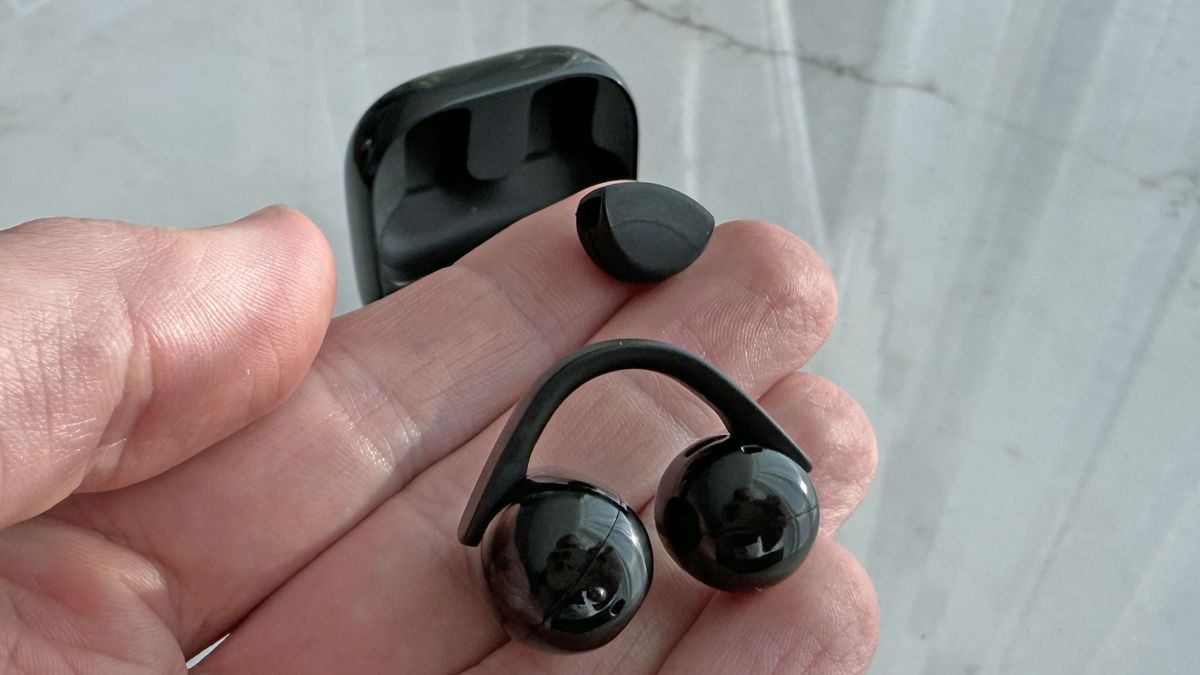
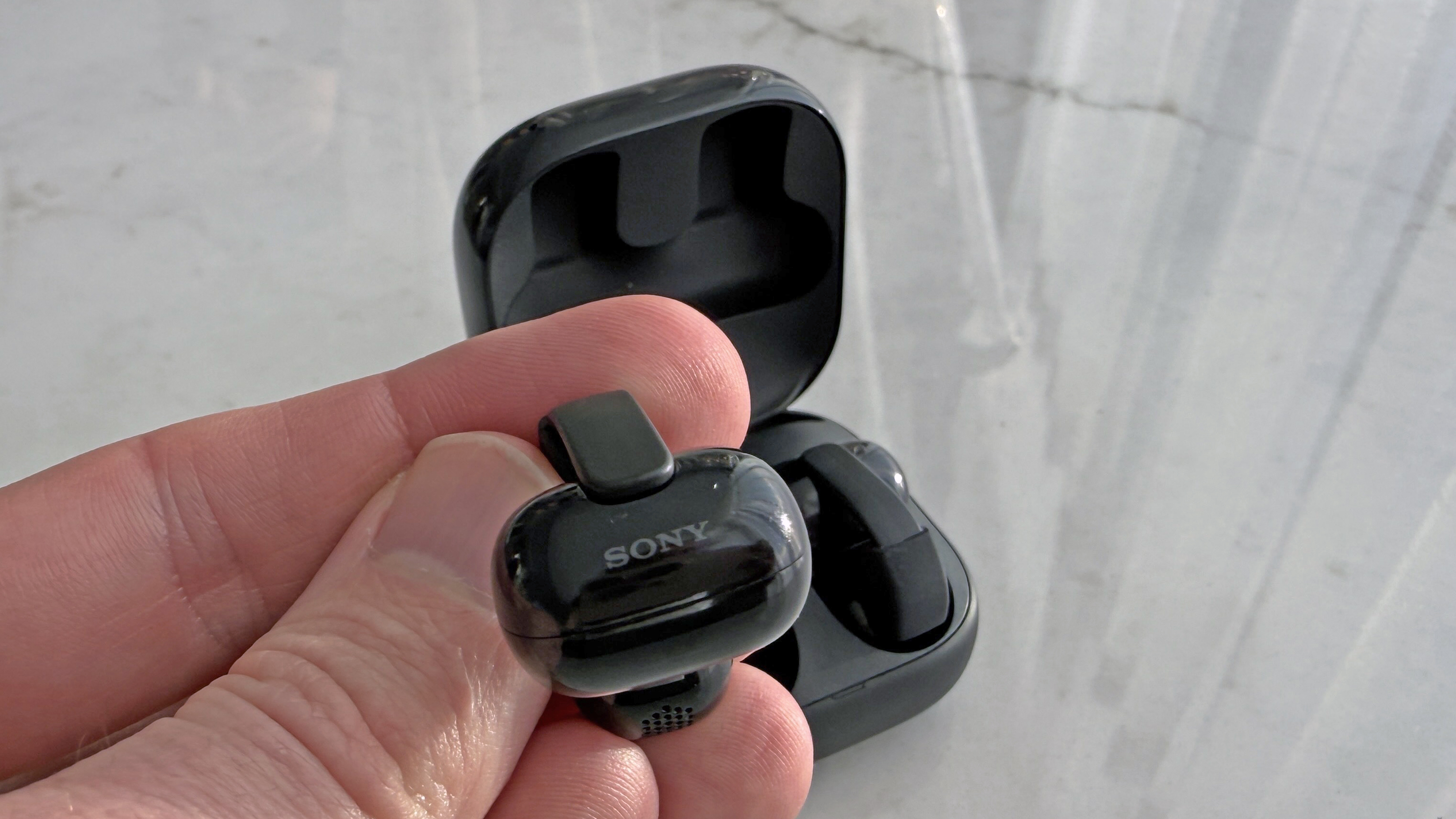
They come with a small, flexible attachment that Sony calls an “air cushion,” designed to sit in the curve and hold them more firmly at ear level only (or to hold them at all if you have smaller ears).
Picture 1 of 2
Because of the way external sound is allowed, they include a specific new audio mode called Voice Boost, to make (as you probably guessed) things like podcasts and audiobooks clearer.
They also include an adaptive volume feature, like on the Sony LinkBuds Fit, which allows them to automatically increase the volume to prevent the sound from being totally drowned out in noisy areas.
There’s also a “Sound Leak Reduction” mode for places like the office, where you want to make sure the open fit doesn’t broadcast your playlist to your neighbors.
The headphones include Sony’s DSEE audio conversion technology to improve the sound of low-quality streaming music, but there’s no high-resolution Bluetooth LDAC support – just the basic AAC and SBC Bluetooth codecs. There’s multi-point pairing to instantly switch between two devices, naturally.
They feature a bone conduction sensor as well as microphones to help pick up your voice during calls, with AI-powered background noise reduction.
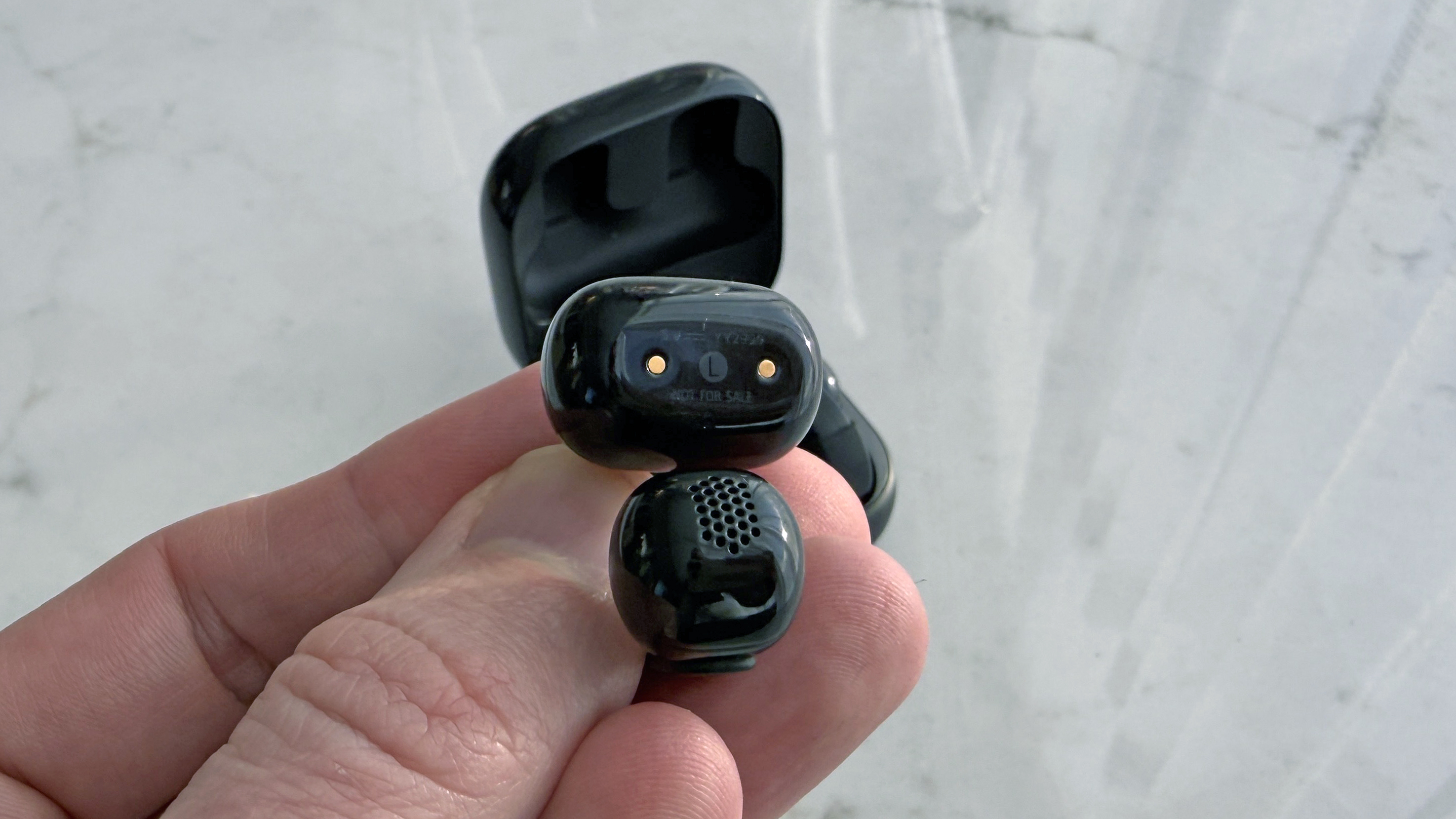
To control them, you can tap on the earbuds themselves: they have an accelerometer, so you don’t need to tap on any particular spot. In fact, while testing them, I found that it wasn’t necessarily necessary to touch the earbuds themselves — touching my ear right where they were also worked.
They promise nine hours of battery life with the headphones and 37 hours with the case. A quick charge feature promises to deliver an hour of play from three minutes of charging. They’re IPX4 rated for waterproofing, so they should be good to use for light exercise – don’t wear them in heavy rain, though.
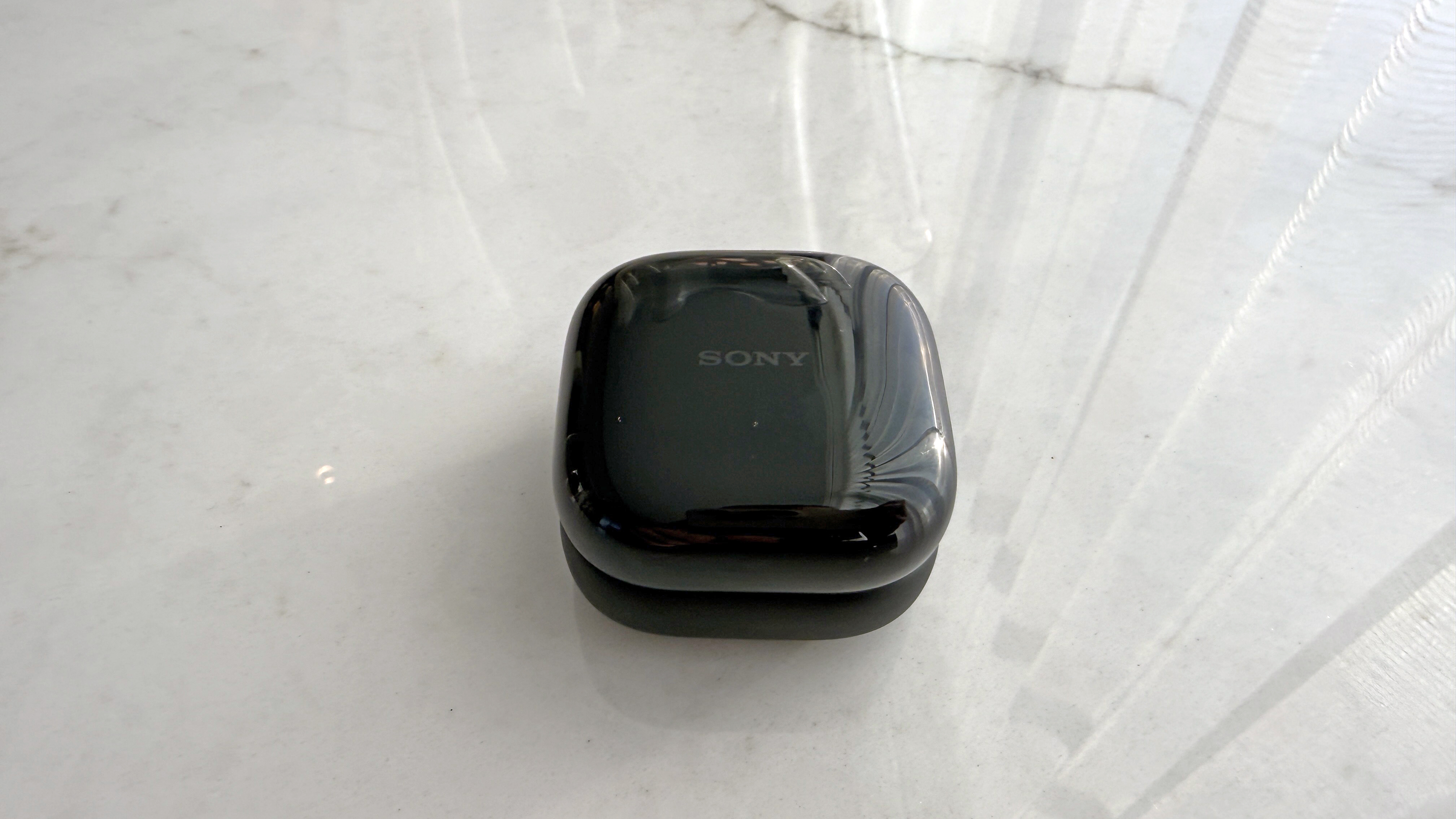
They’re available in black, white, lilac, and pale green, and come in a funky box that’s both curved and square — and you can buy sleeves for the case to mix up the colors. These are available in five colors: coral, green, blue, lavender and black.
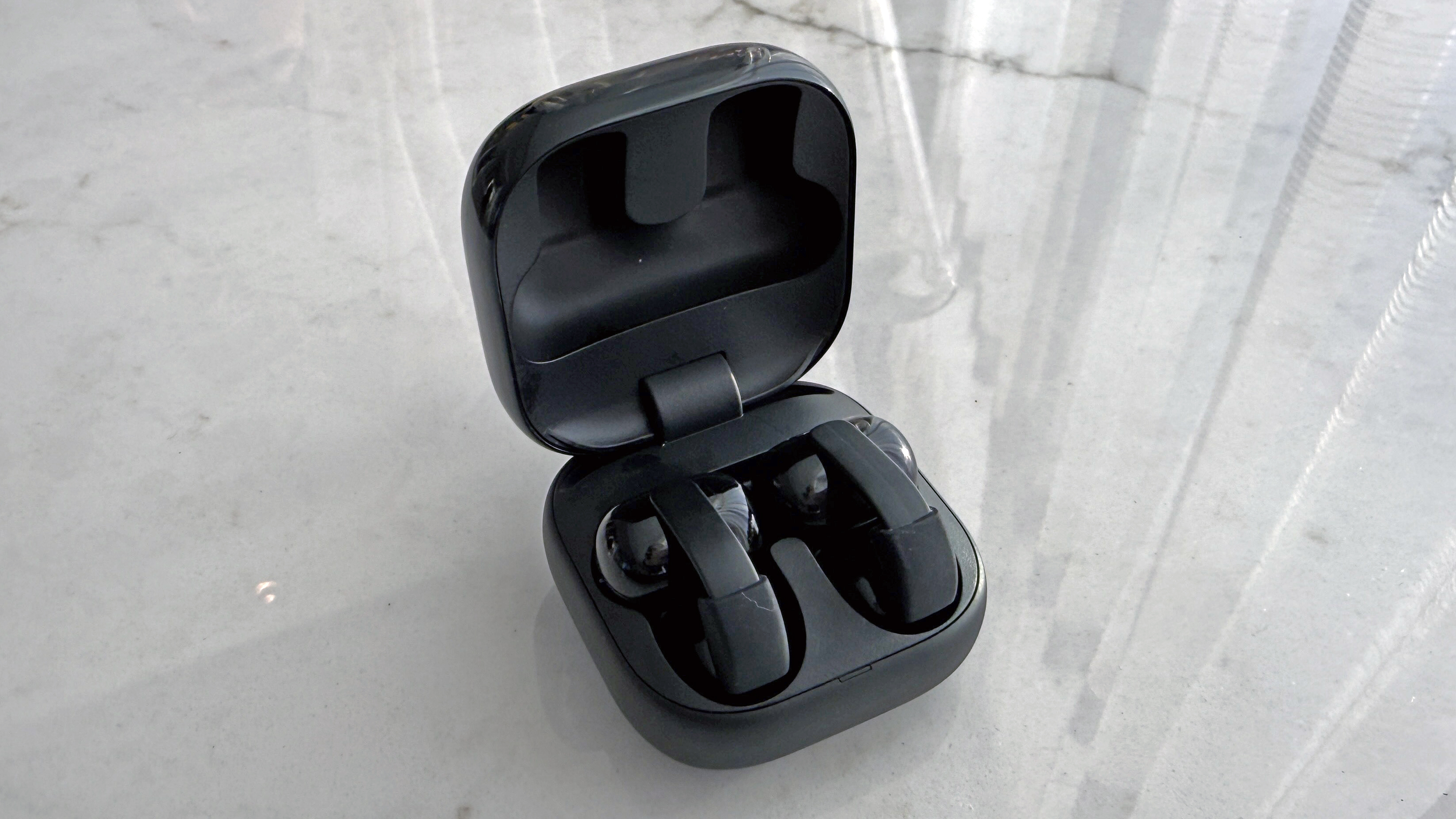
The Sony LinkBuds Clip costs $229 / £180 / AU$329.95 and will be available to purchase in January, although Sony hasn’t provided an exact date. The LinkBuds Clip Cases cost $24.99 and are available only on Sony’s website.
Based on the specs alone, you might think the price seems pretty high for the specs – the Shokz OpenFit Pro, for example, costs a similar amount and includes effective active noise cancellation and Dolby Atmos. JBL just announced a direct competitor in the form of its Soundgear Clips, and they’ll cost $149. The Earfun Clip 2s include Sony’s high-resolution LDAC wireless technology, and they launch at $79…
But that’s probably okay – it’ll all be a matter of experience, right? I was able to try a demo session with the LinkBuds Clip, and I fear that only reinforced for me that Sony might have a bad price here.
Clip to be square
First things first: fit. They fit the ear quite easily, and at first I tried them without the air cushion. It was comfortable, felt overall natural, and there didn’t seem to be much risk of them falling off, even though I wasn’t able to take them for a brisk jog. There’s been a little rotation, and I think that’s part of them feeling quite natural to wear.
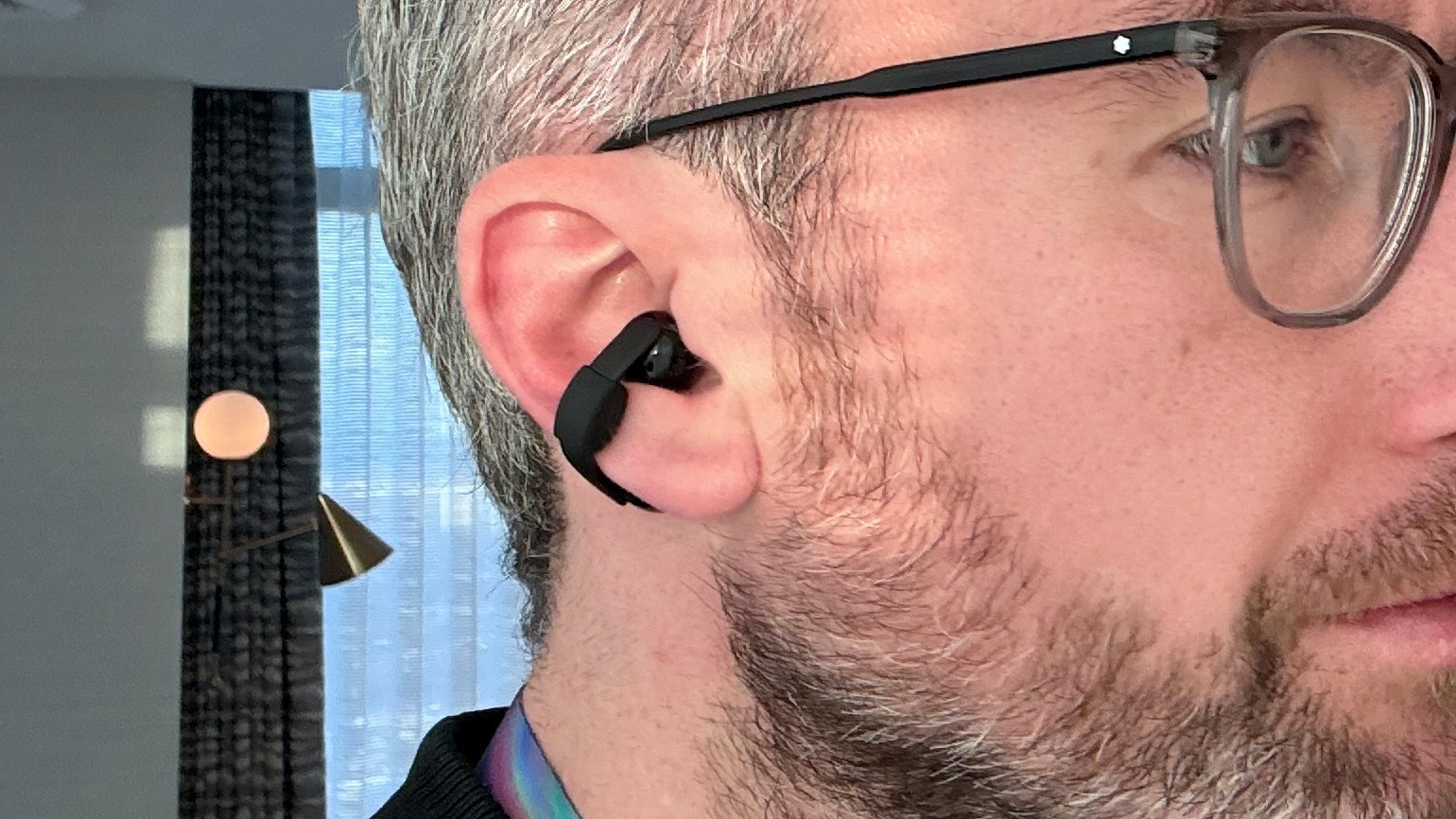
I tried them with the air cushion, and the difference was interesting – on my ears (which are not small), it meant any rotational play disappeared, and they stayed stable where I put them. In exchange for this, I could “feel” them more on my ear – not that they applied pressure or became uncomfortable in any way, but I just felt more aware of them.
I think overall I preferred them with the air cushion. Like I said, I didn’t think they would argue without it – but with it, I was certain they would hold, and I like a little more peace of mind where I can get it these days.
Launching some of my music, my concern about the price became immediate – while I only spent about 10 minutes listening to the headphones, the sound quality just didn’t seem to be what I would want for over $200.
It’s normal for open-back headphones to have smoother, shallower audio quality than the best headphones with an in-ear seal, but recent releases have really closed that gap – again, with the Shokz OpenFit Pro, our audio editor Becky Scarrott said she could forget she wasn’t using more traditional headphones. The sound is detailed and rich enough to compete.
With the Sony LinkBuds Clip, the sound balance was really good, as I always expect from Sony – no matter the budget level, it always finds a way to make sure your music has the right shape.
But it was immediately obvious that there was a lack of deep bass, and I don’t mean because I was listening to trance bangers. The bass is overall light, which means that acoustic instruments don’t have their full resonance, let alone a drum machine that doesn’t have the punch intended.
Likewise, the highs seemed to struggle to stand out clearly from the mids, feeling a little too tied down and unable to really shine. And that’s part of a general lack of dynamic capability, which meant the sound wasn’t particularly energetic and didn’t have the natural detail I’ve come to expect from Sony.
(I also noticed quite a bit of sound leakage from someone else testing their headphones about six feet away from me, but I’m not sure how good they had them – it might not be as bad in more common scenarios, and there’s always the sound mode to reduce leakage if you need it.)
Obviously, sound quality is always relative to price – based on my demo, I expected the headphones to cost upwards of $120/£100, like the impressive Sony WF-C710N at launch. At almost double that, I fear these will struggle.
However, we can only make a real judgment after a proper testing period and comparison of the audio, and I haven’t tested features like mic quality, which might end up recommending it over the competition if you take a lot of calls (mic quality on the Sony WH-1000XM6 with AI noise reduction is best in class, after all).
The best open-back headphones for every budget
Follow TechRadar on Google News And add us as your favorite source to get our news, reviews and expert opinions in your feeds. Make sure to click the Follow button!
And of course you can also follow TechRadar on YouTube And TikTok for news, reviews, unboxings in video form and receive regular updates from us on WhatsApp Also.


