
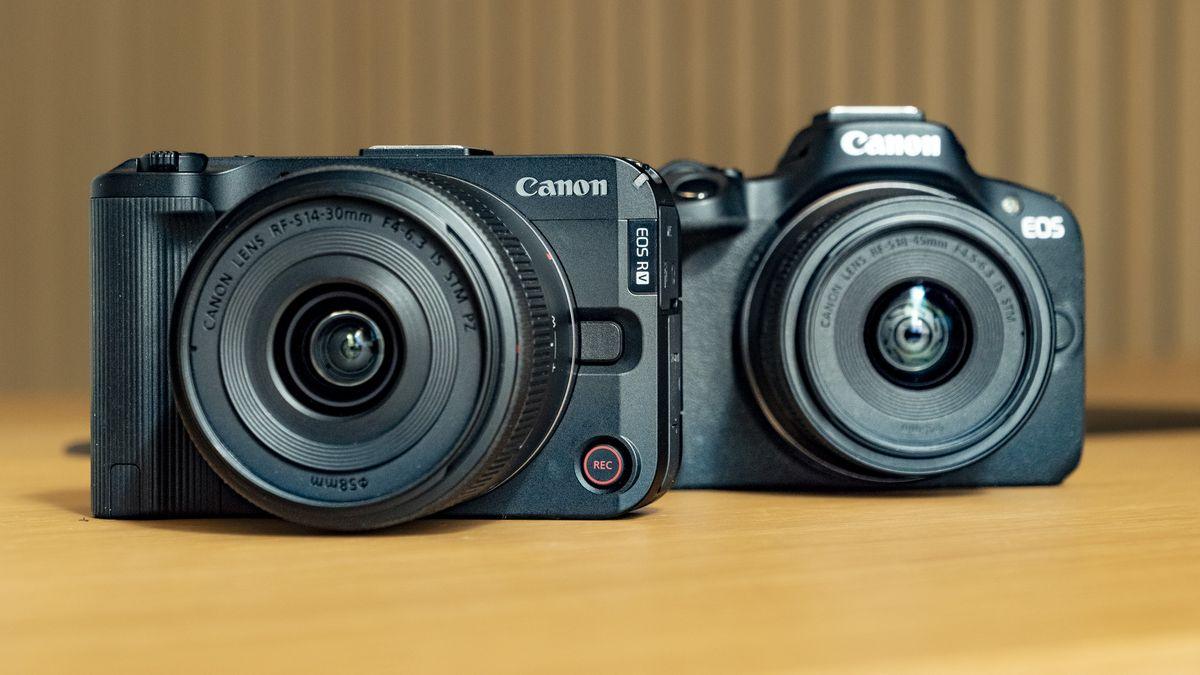
- Global launch of EOS R50 V and Powershot V1 V-Série de Vlogging cameras
- A new RF-S 14-30 mm Power Zoom lens was also unveiled for the EOS R50 V
- The Powershot V1 costs the same as the EOS R50 V with a 14-30 mm lens
Canon has unveiled the new EOS R50 V alongside confirming the global availability of its Powershot V1, which was announced last month for Japan only.
The two models of series V are part of the range of cameras focused on the Vlog de Canon, joining the compact powerrshot V10 point-And-Shoot-we expect more models to follow.
I had two days with the two cameras before the launch, and you can find out if the compact camera fanfare is justified in my practical Powershot V1 exam.
@Techradar ♬ Sound Original – Techradar
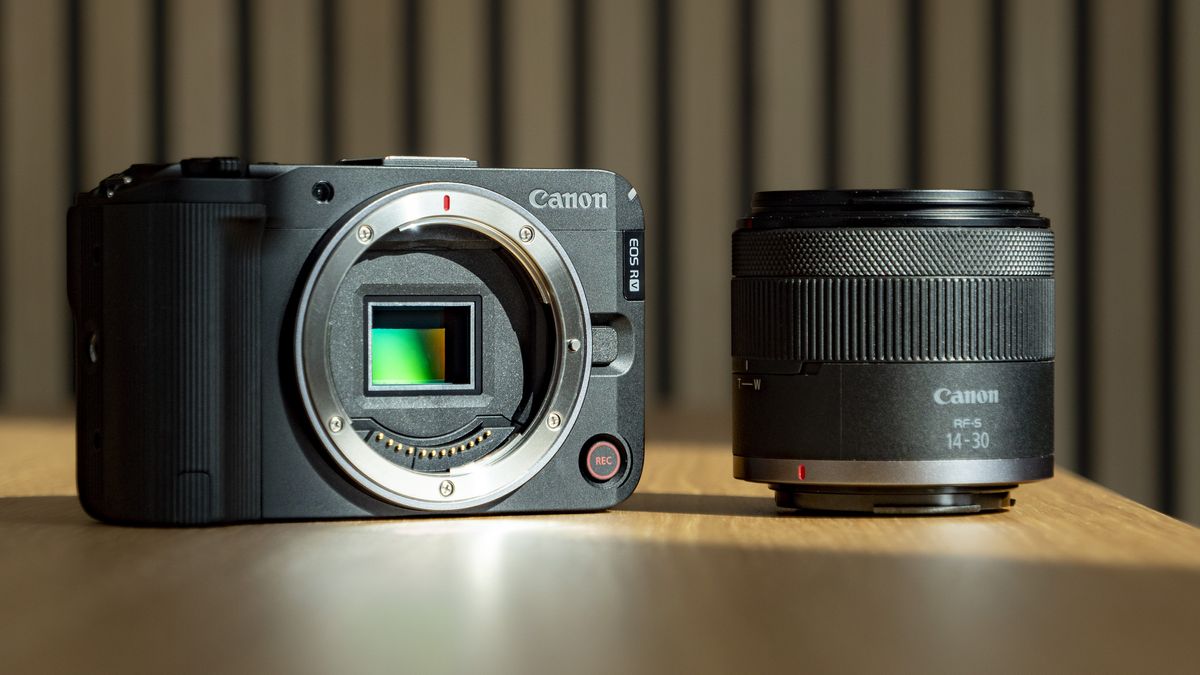
The EOS R50 V, on the other hand, is the first mirror-free mirror mirror of cannon, and without surprise, it uses the same RF-Monte and 24MP APS-C sensor as the EOS R50.
Alongside the EOS R50 V, Canon launched the new Lens STM PZ RF-S 14-30mm F4-6.3 (£ 379.99 / $ 579). The PZ means Power Zoom – A smooth zoom function ideal for video and tailor -made designed for the EOS R50 V.
Despite their various design indices, the Powershot V1 and EOS R50 V with 14 to 30 mm lenses share the same launch price in the United Kingdom of £ 959.99, but are slightly separated in Australia, costing $ 1,449 at $ 1,449 respectively. Alternatively, the EOS R50 V can be purchased for £ 729.99 £ / AI $ 1,169, or in a creator kit with objectives and accessories for £ 999.99 (availability to the creative kit is TBC). Sales start on April 10, and I will update this article with us when I have this information.
Let’s take a closer look at the EOS R50 V, then consider which of the two new models offers better value for beginner vloggers.
Picture 1 of 3
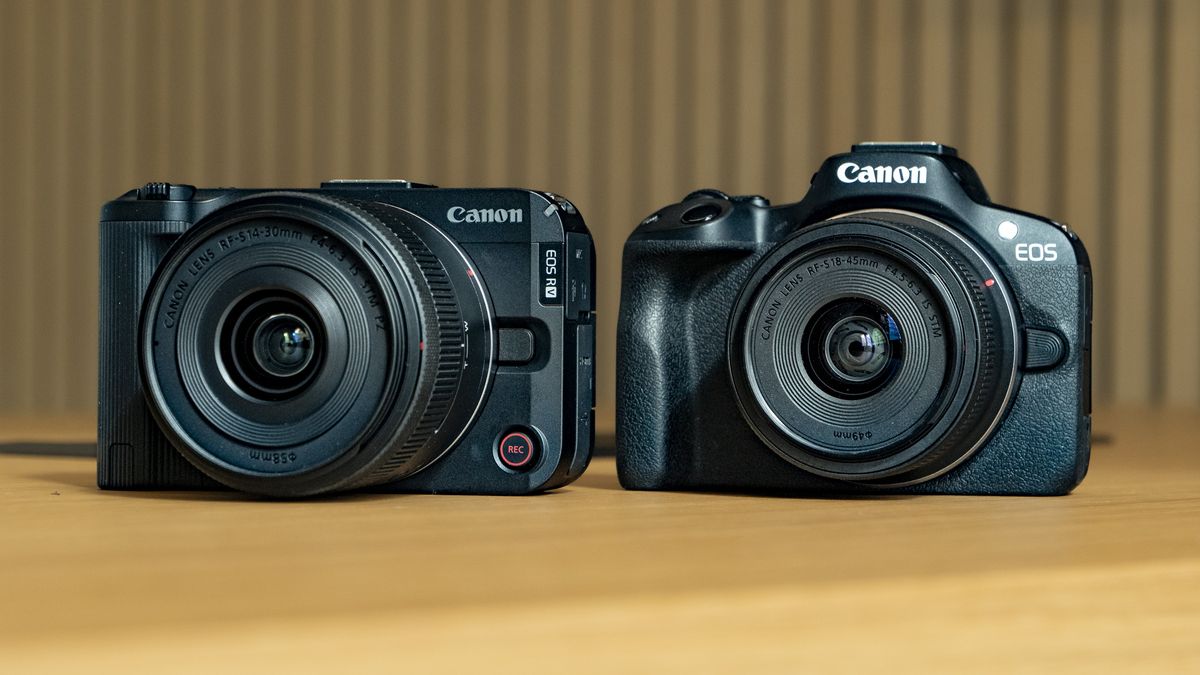
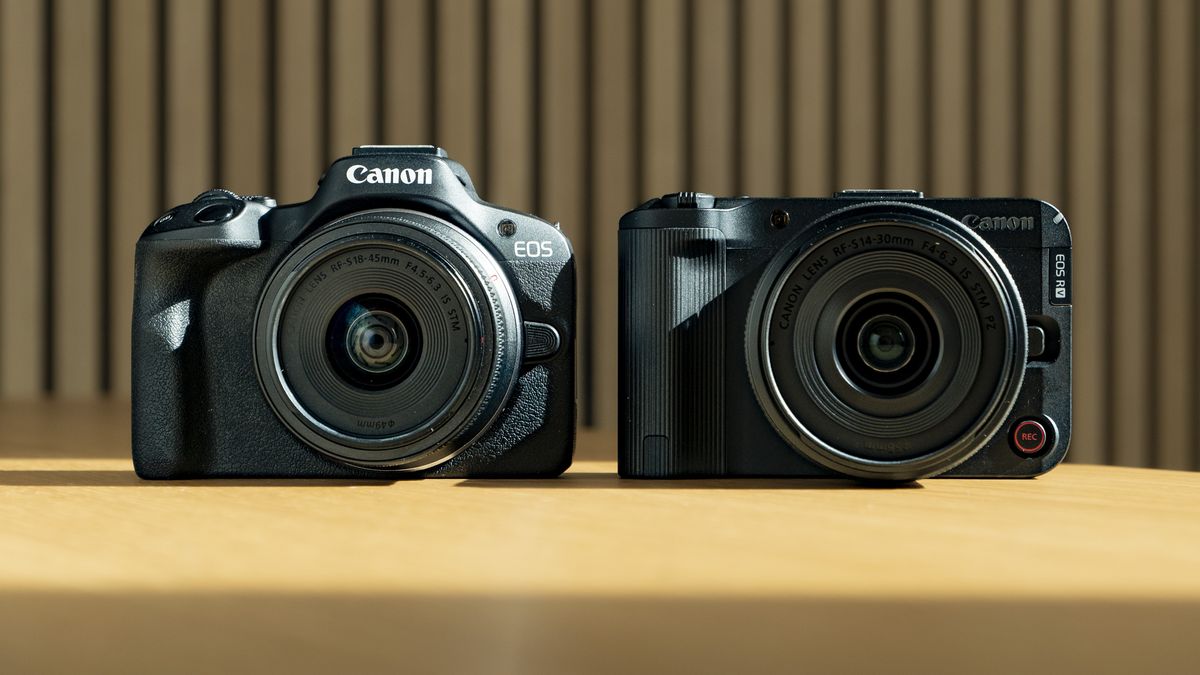
Canon Eos R50 v vs eos R50: a new design focused on video
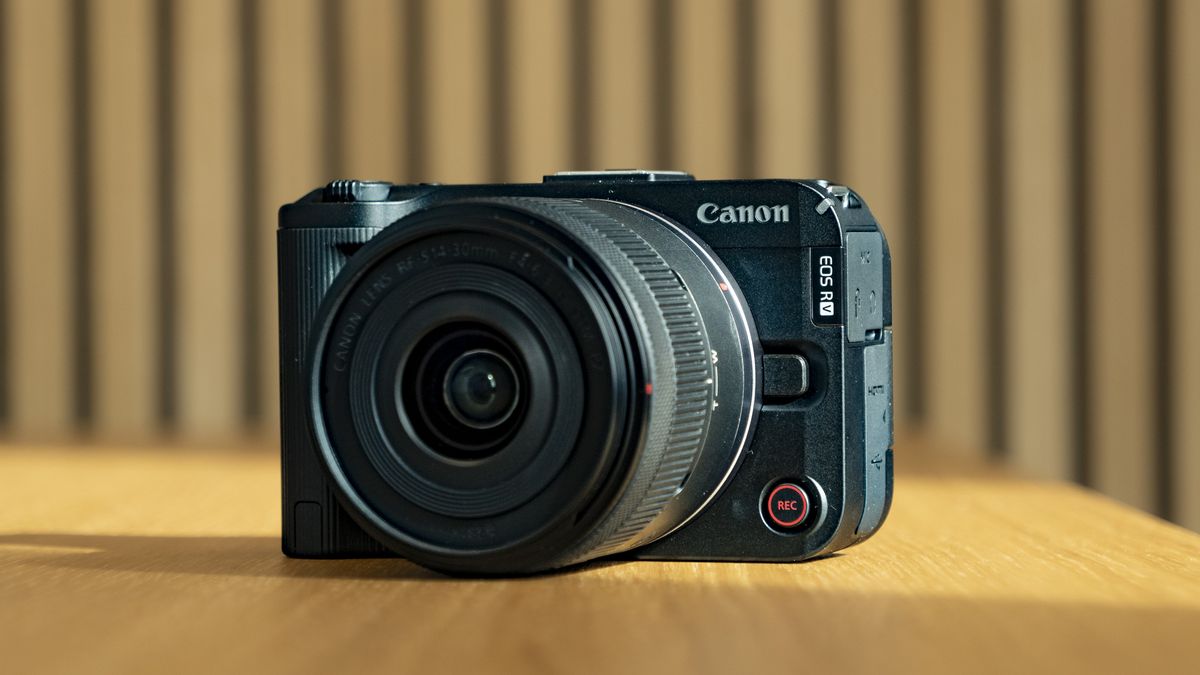
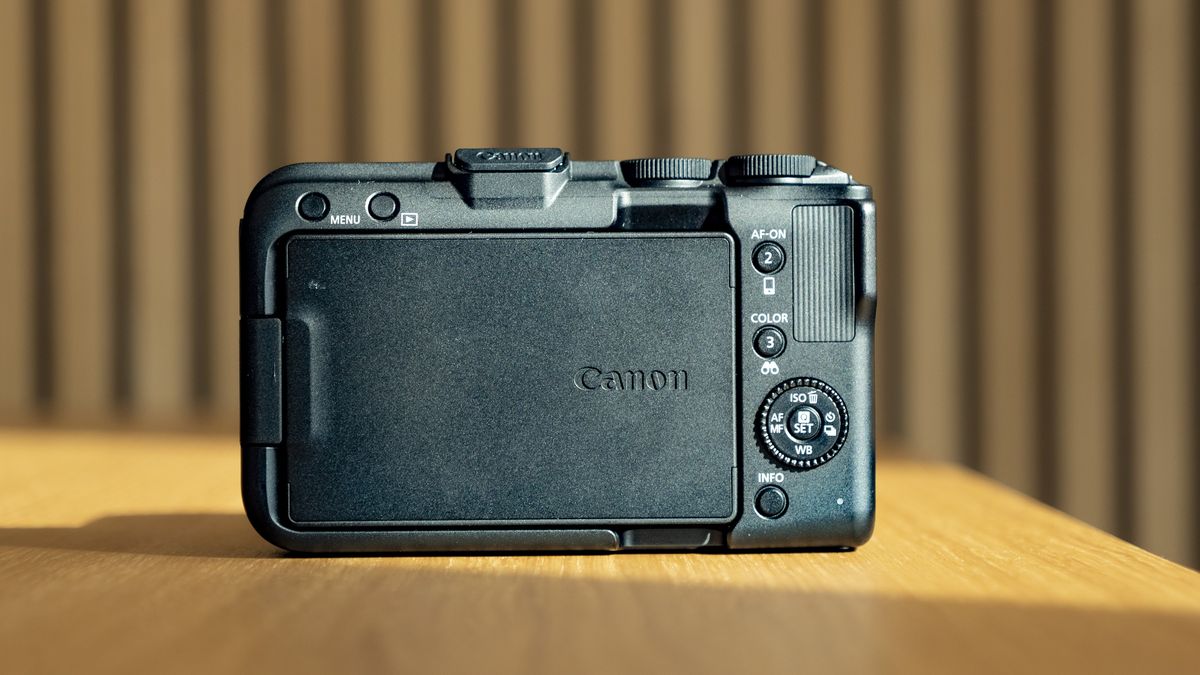
Essentially, EOS R50 V contains roughly the same EOS R50 technology in a body designed for video, with slightly better, but it has no viewfinder.
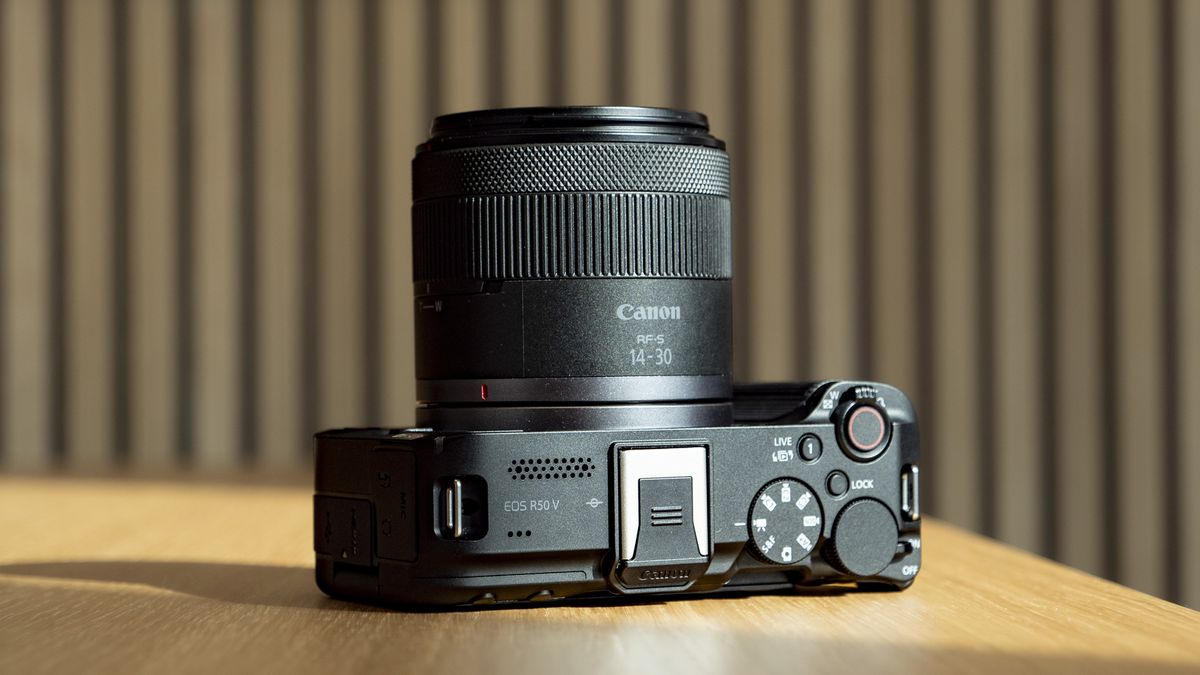
Take your example of a shooting mode as an example – there are a multitude of video options, including three personalized parameters that you can save for quick access, but only one option for photography. The dial in shooting of the EOS R50 is the reverse.
It also has tripod supports for vertical and horizontal configurations and accessories, recording buttons at the front and rear, a counting lamp, as well as a variety screen for selfie and clumsy angles, with automatic support for vertical view and menus. All this seems high -end enough for a camera at this price less than £ 1,000.
Other practical video characteristics include appearance markers, timecod code, USB-C power and load, micro and helmet ports, false colors, zebra display and manual focus.
Picture 1 of 7
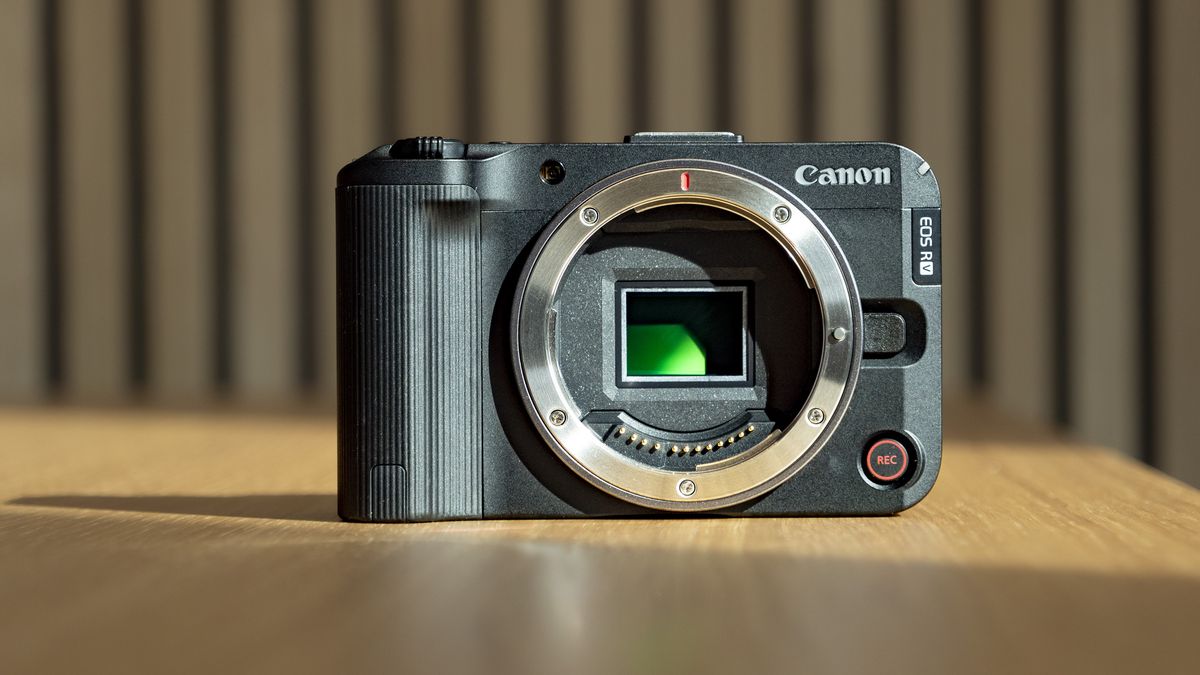
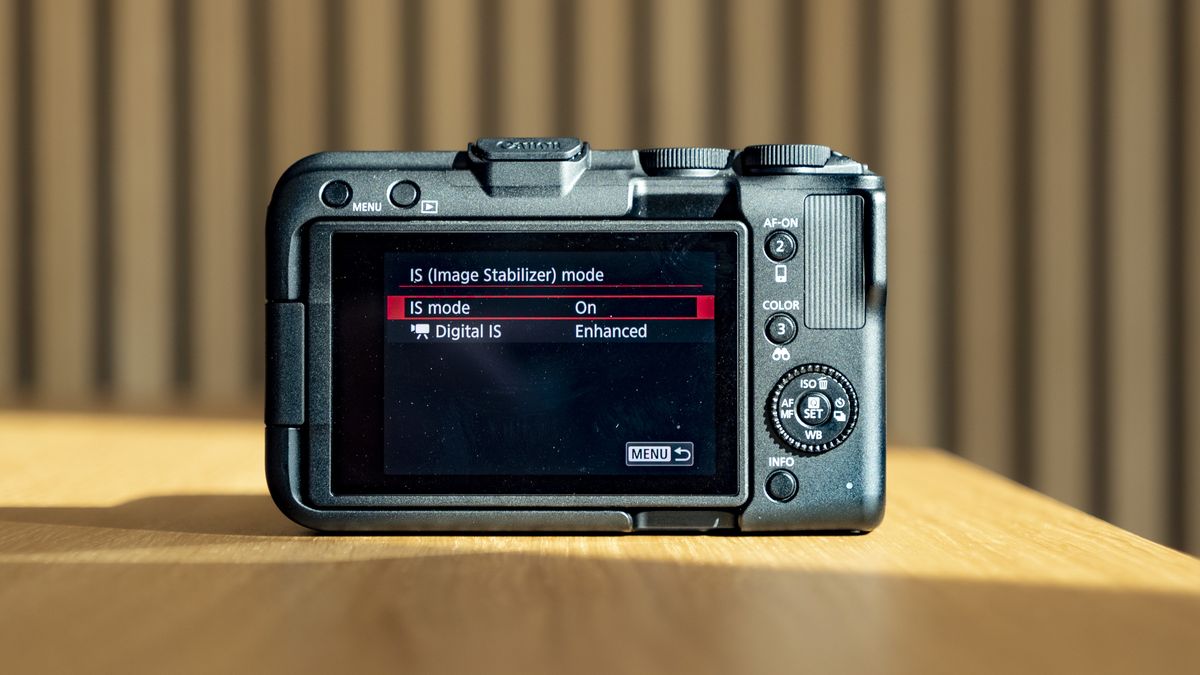
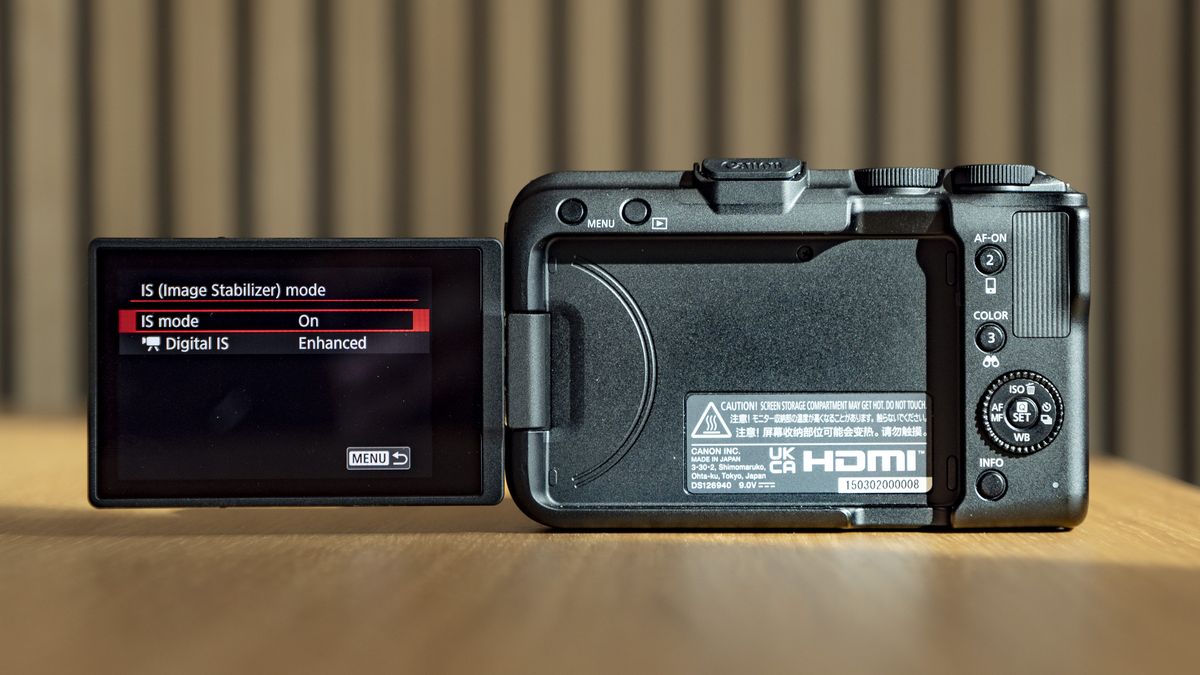
4K 30FPS 4: 2: 2 10 bits The video is overchanted from 6K, in addition there is the C-LOG 3 color profile of Canon and record times up to 2 hours. You can increase the frequency of 4K images to 60 frames per second, while Full HD offers up to 120 images per second.
The same Autofocus II double pixel system used by the EOS R6 Mark II is found here, offering detection of subjects and eyes for humans and animals.
The camera has an electric zoom lever and can be purchased with the new RF-S 14-30 mm electric zoom lens for smooth video zooms. It is also a live camera live, with 4 -channel audio and compatibility with the Sweight of Canon Switcher app for multi -fashion configurations – up to three EOS R50 V can be synchronized.
It is a decent range of upgrades for users focused on the video of the EOS R50.
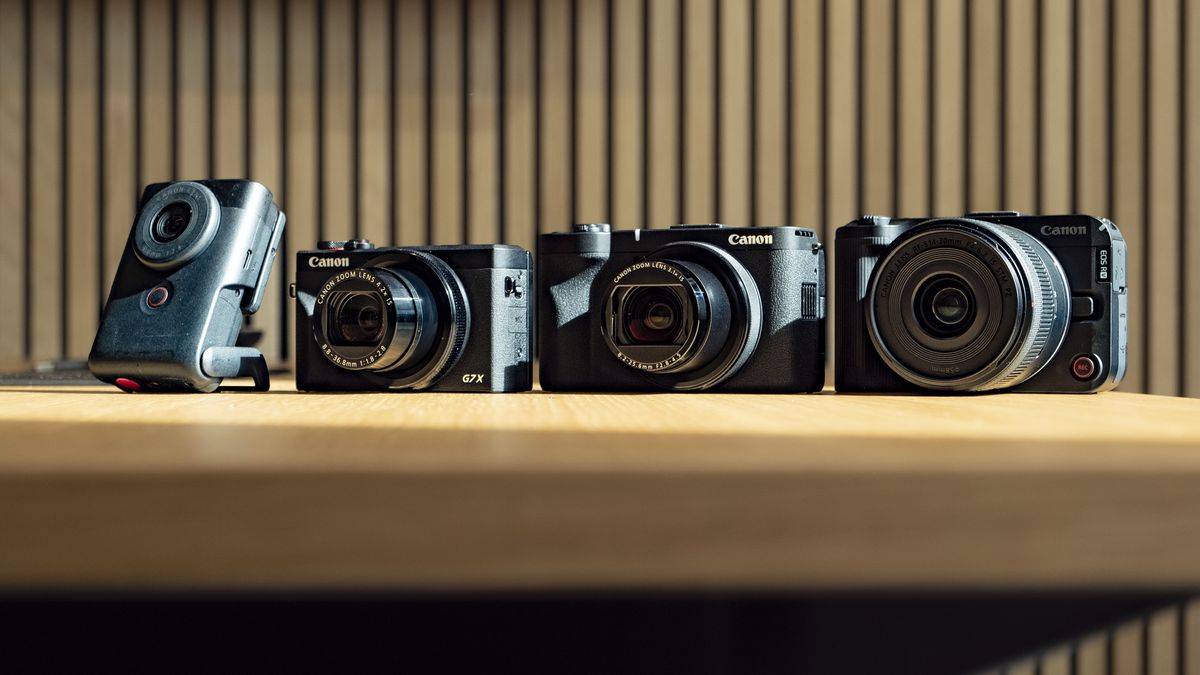
EOS R50 V versus Powershot V1
Unlike the EOS R50 V, the Powershot V1 is a compact camera, which means that it has an integrated 3.1x 3.1x optical lens – it is a complete package. But with the Powershot V1 costing the same thing as the EOS R50 V with a 14-30 mm lens, which model is the most logical for beginner vloggers?
With the attached lens, the EOS R50 V is a heavier and larger package, but not much – its size and width are not larger. The two cameras could slip into a jacket pocket, while the V1 could sneak into smaller pockets.
The EOS R50 V has a larger APS-C sensor for the new 1.4 inch sensor of the V1, so expect a slightly better image quality.
However, you can expect a field depth and a similar focus of the two aforementioned lenses, as well as the optical stabilization evaluated up to 5EV. (Of course, you can buy different lenses for the EOS R50 V for different looks – for example, there is a Sigma Fast Aperture Opening Zoom available that I have tested and I can recommend.)
Picture 1 of 6
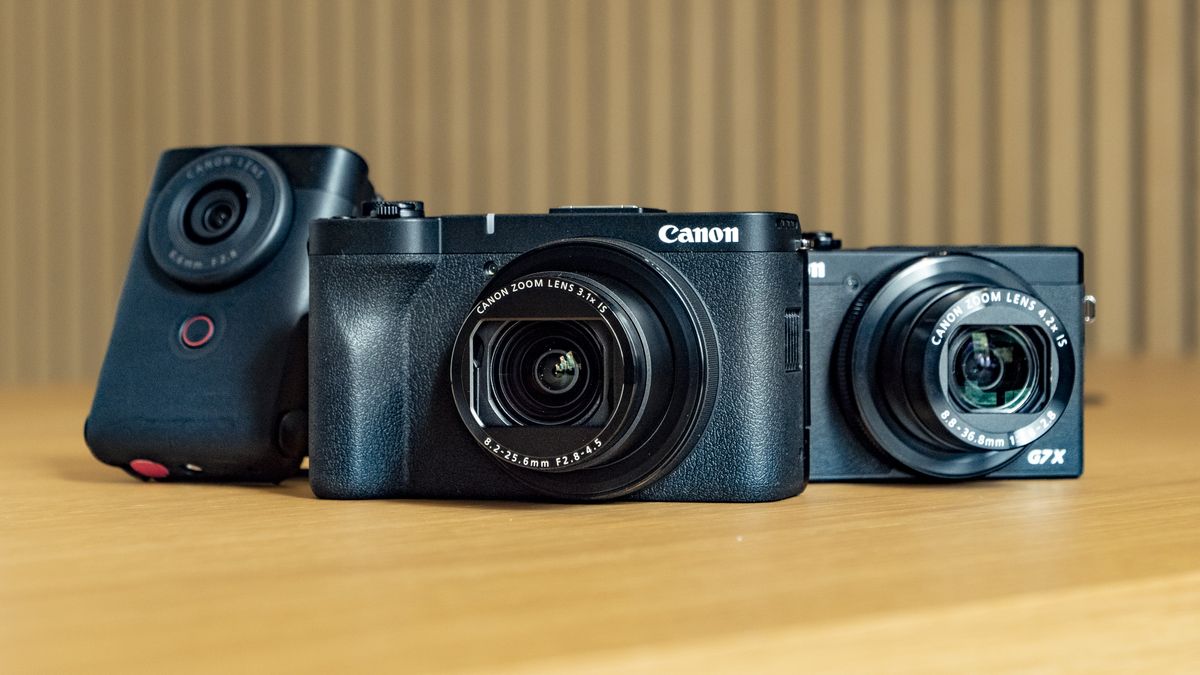
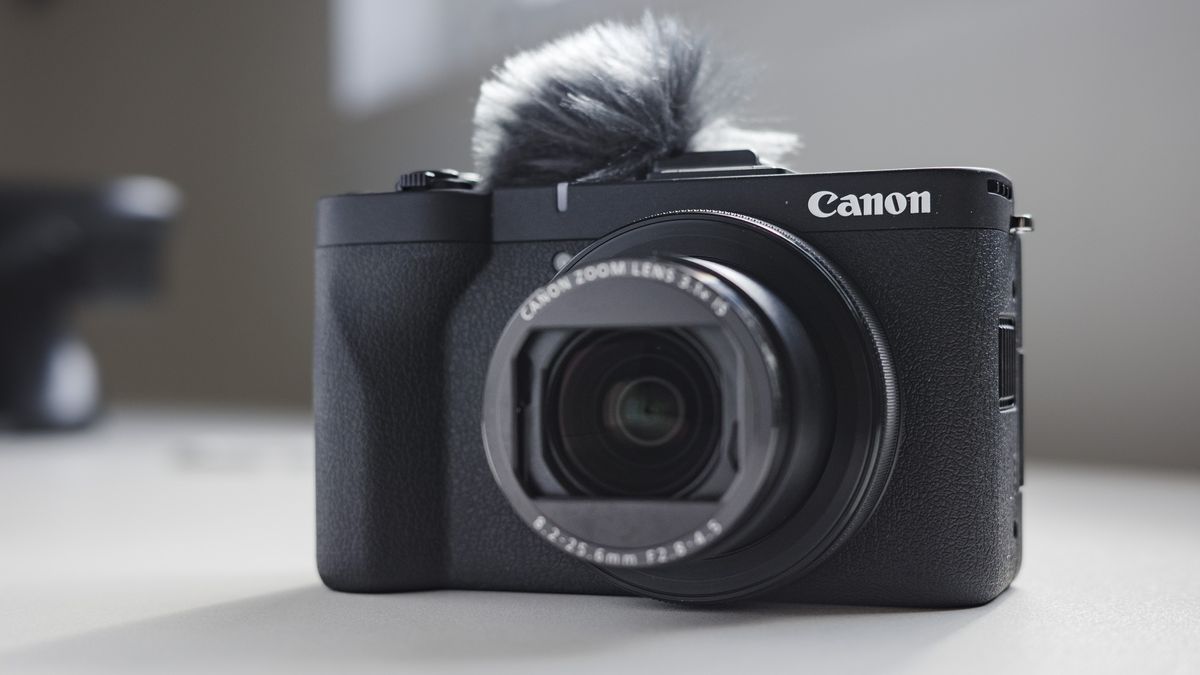
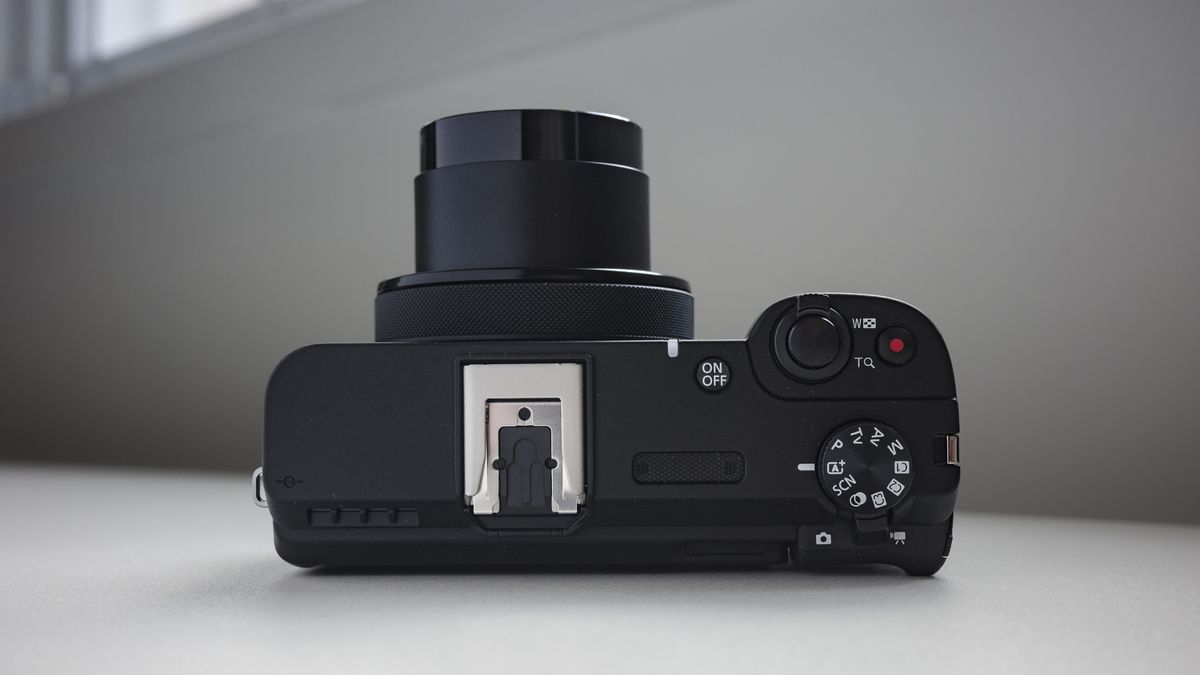
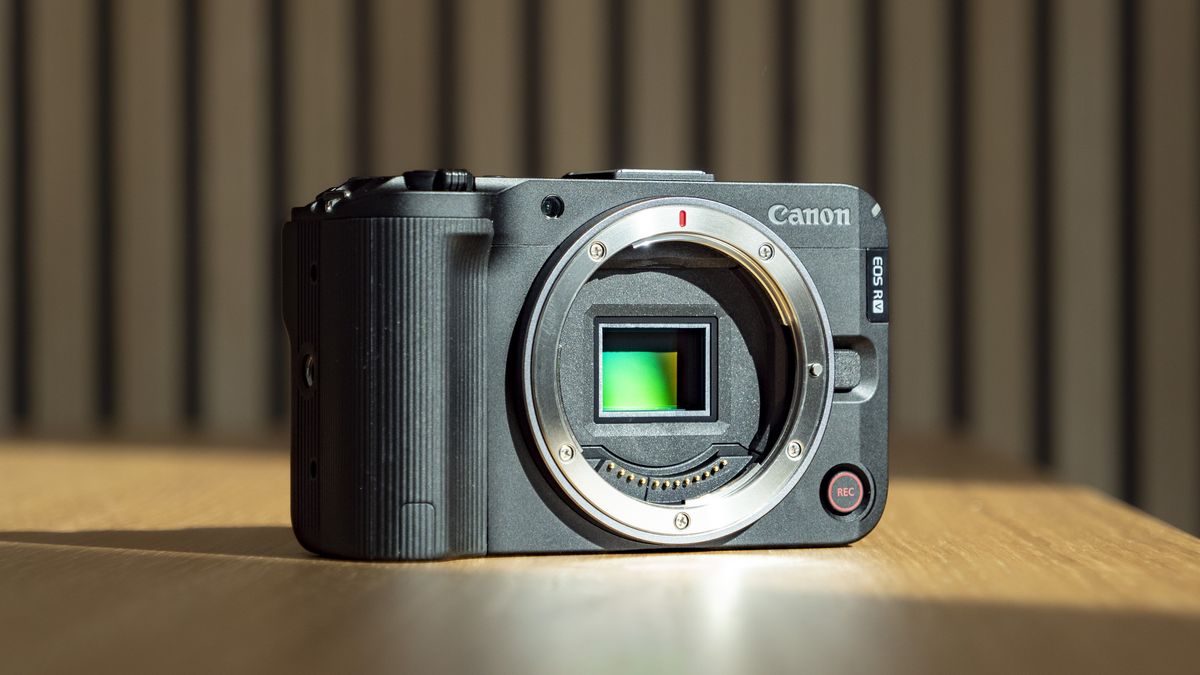
Canon says that the EOS R50 V autofocus is better than the Powershot V1, and it has slightly more powerful video characteristics, some of which were mentioned earlier. However, it does not have an integrated ND filter, as does V1, while the 14-30 mm kit objective (21-45 mm effective) is not as wide as the V1 16-50 mm-the latter is probably more versatile for vlogging in particular.
If you want a simple vlogging camera at one -stop shop, the Powershot V1 probably makes sense. But if you want a camera that can support you as your skills develop, with the possibility of exchanging objectives, then the EOS R50 V is a more serious package, for the same money.
What model would you go and why – the Canon Eos R50 V or Canon Powershot V1? Let us know in the comments below.


