
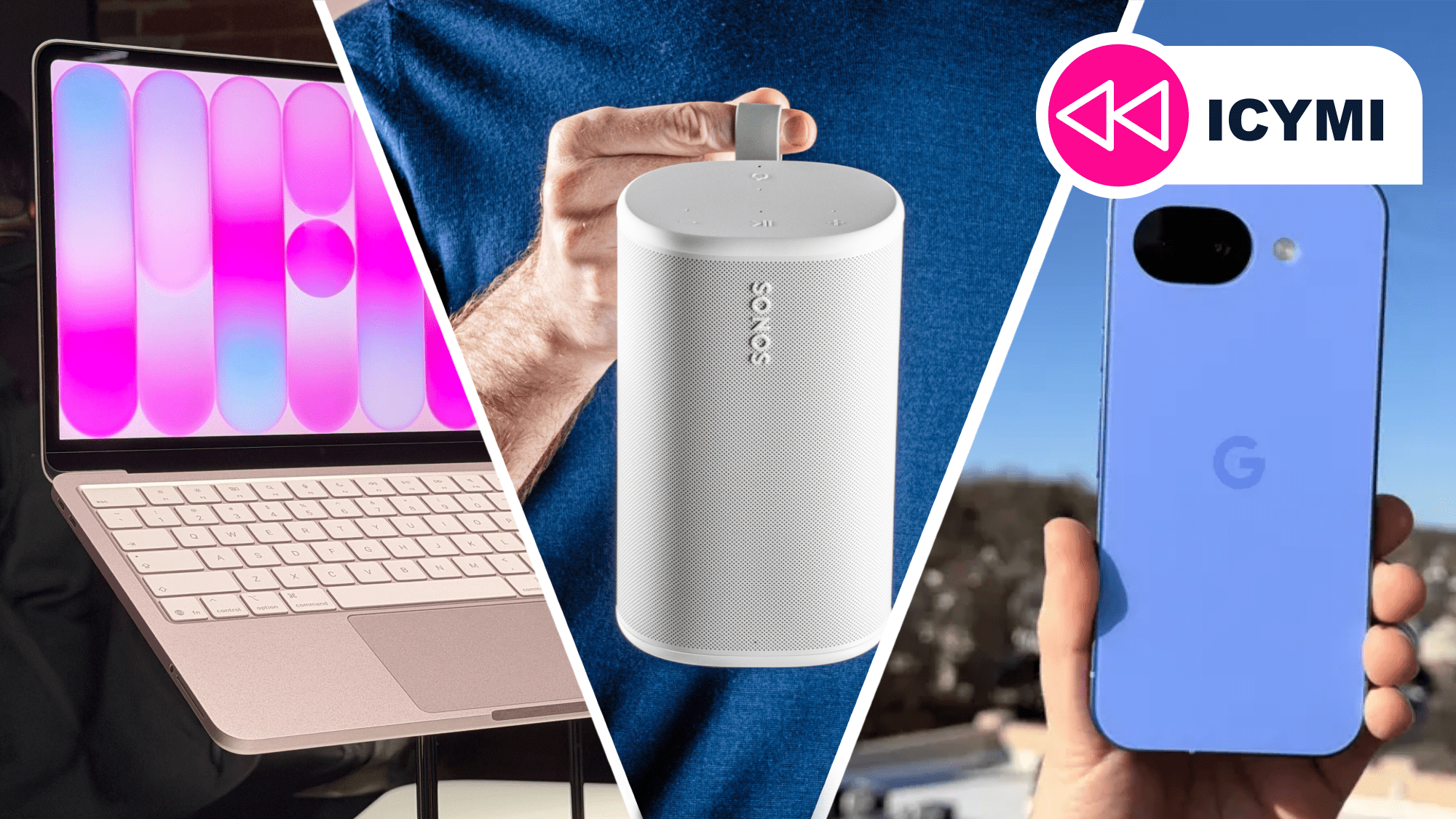
When is a quiet week in tech not a quiet week in tech? And now. Because even though this week lacked the huge launches of the previous one, it was nonetheless filled with big stories and awesome new technology.
To start, we delivered our expert verdicts on the Apple devices revealed last week, and the MacBook Neo in particular blew us away. We also spoke at length with the CEO of Sonos as the audio giant launched two new speakers and delivered our review of the Google Pixel 10a.
Article continues below
7. DJI prepared the Avata 360 for takeoff
DJI’s first 360-degree drone has been rumored for a long time, and this week it finally broke. And while we don’t know everything about it yet, we do know its name, launch date, and a core spec.
The Avata 360, as it will be called, will feature 8K video recording and launch on March 26. Additional specs and pricing haven’t been revealed yet, but we’re already pretty excited.
It will rival the excellent Antigravity A1, which debuted last year as the world’s first true 360-degree flying camera, but the Avata 360 will have an advantage over that rival in that it will slot into an already formidable DJI drone ecosystem. Watch this space for more information ahead of that launch date.
6. HBO launched its global password crackdown
HBO Max’s password crackdown is going global according to the company’s CEO and president of global streaming, JB Perrette.
This means you may no longer be able to share an account with another HBO max user, unless you pay an additional member fee – although this option is currently only available in the US.
However, how much longer will HBO Max be around? The future of HBO Max currently depends on regulators approving the acquisition of its parent company, Warner Bros. Discovery, by Paramount Skydance. According to at least one prominent media analyst, if this comes to fruition, HBO Max could be shut down by the end of 2027.
5. Apple prepared for its 50th anniversary celebrations
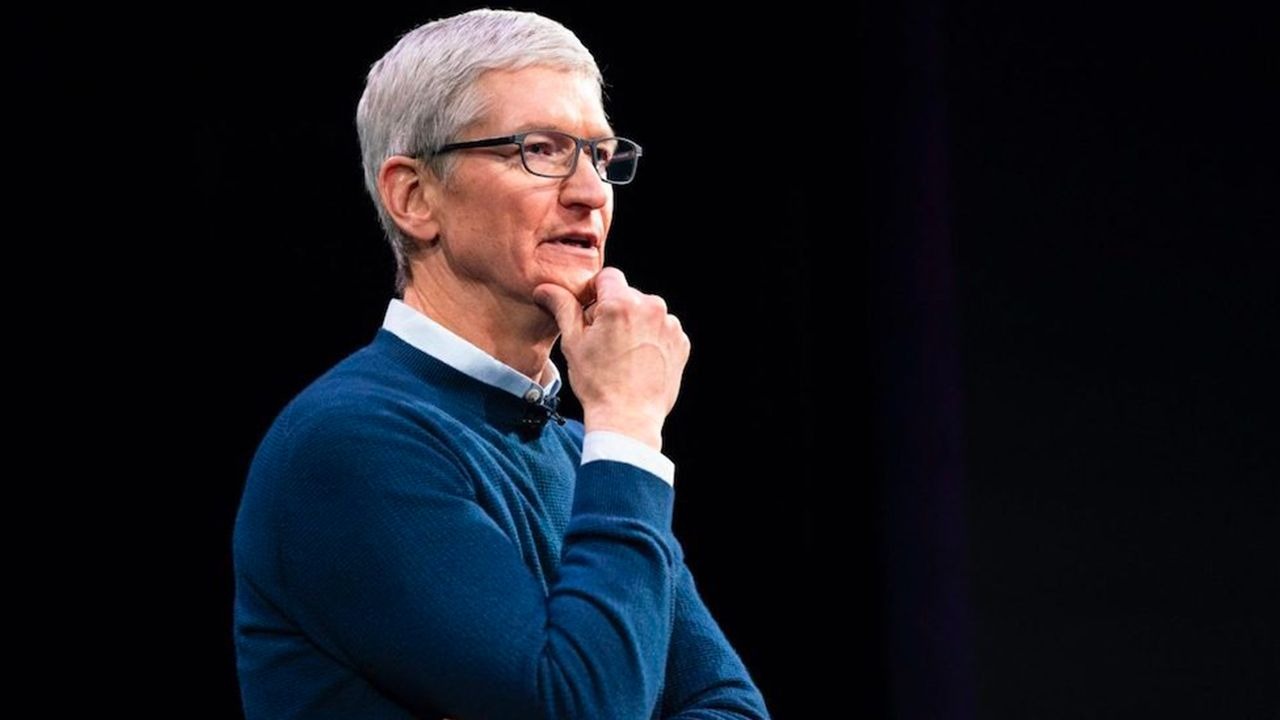
Apple turns 50 in a few weeks and Tim Cook has revealed what the tech giant has planned to celebrate the occasion.
“In the coming weeks, Apple and its global community will celebrate the company’s 50th anniversary, recognizing the creativity, innovation and impact that people around the world have made possible through Apple technology,” Cook said, before ending with a note to fans: “If you’ve taught us anything, it’s that the people crazy enough to think they can change the world are the ones who do.”
So, does this mean we need to prepare for a crazy launch? The new MacBook Neo was impressive (see more on that below), but maybe the company has something up its sleeve for April 1?
4. We tested Google’s budget Pixel
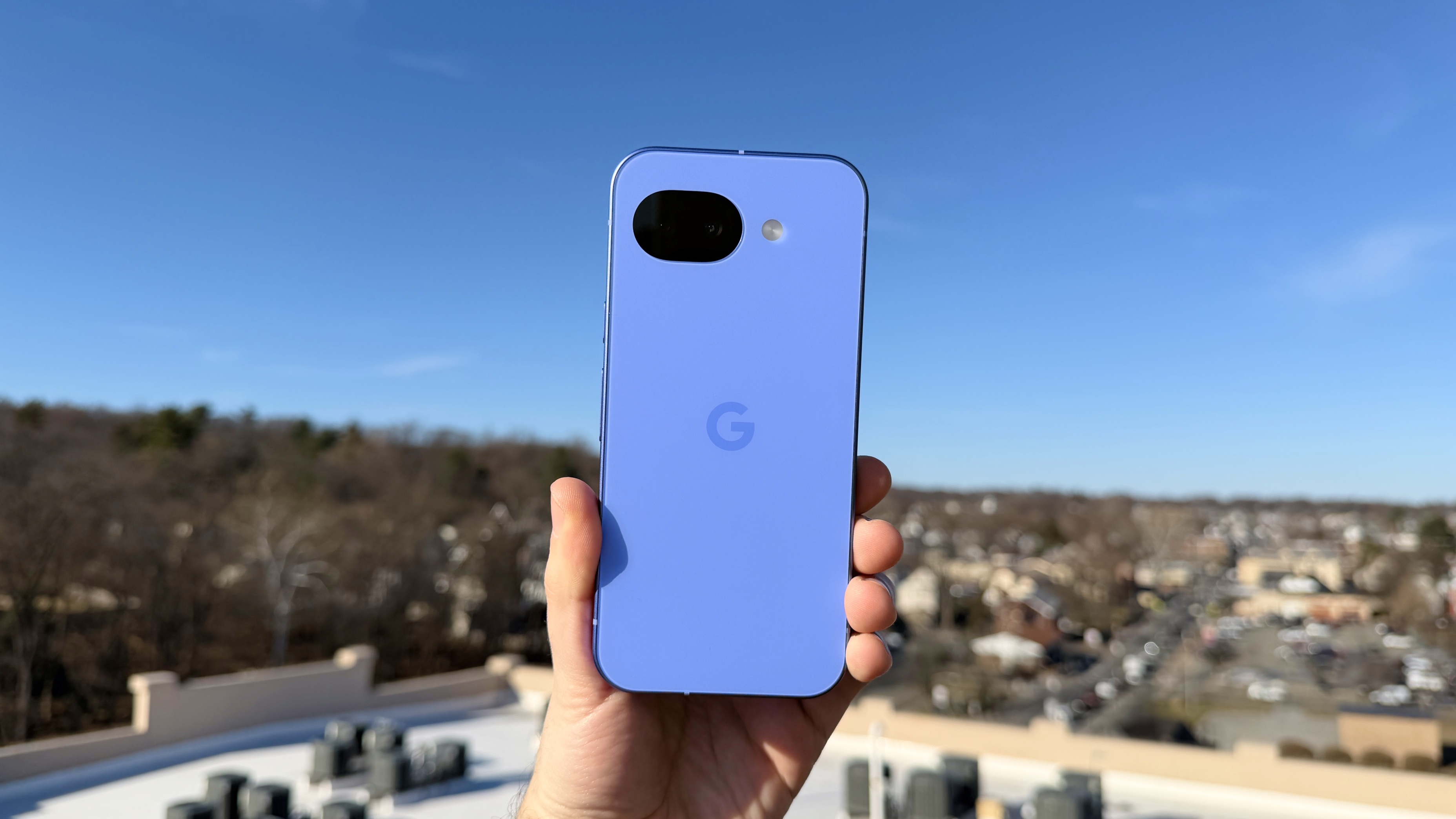
Even among the flashiest and most expensive technologies, there’s a place for a budget champ, and in the Android world, the Google Pixel 10a is a strong contender for that title.
Our editor, Jacob Krol, put it to the test over the past week, and as his article says, “it proves that you don’t need big upgrades to make a great phone.”
So while it doesn’t get a new processor or improved camera hardware this year – but sticks with the Tensor G4 and the same dual-camera system as the Pixel 9a – it gets the basics right: a comfortable design, strong battery life, a bright display and a reliable camera, all for a low price of $499 / £499 / AU$849.
3. And we also tested Apple’s iPhone 17e
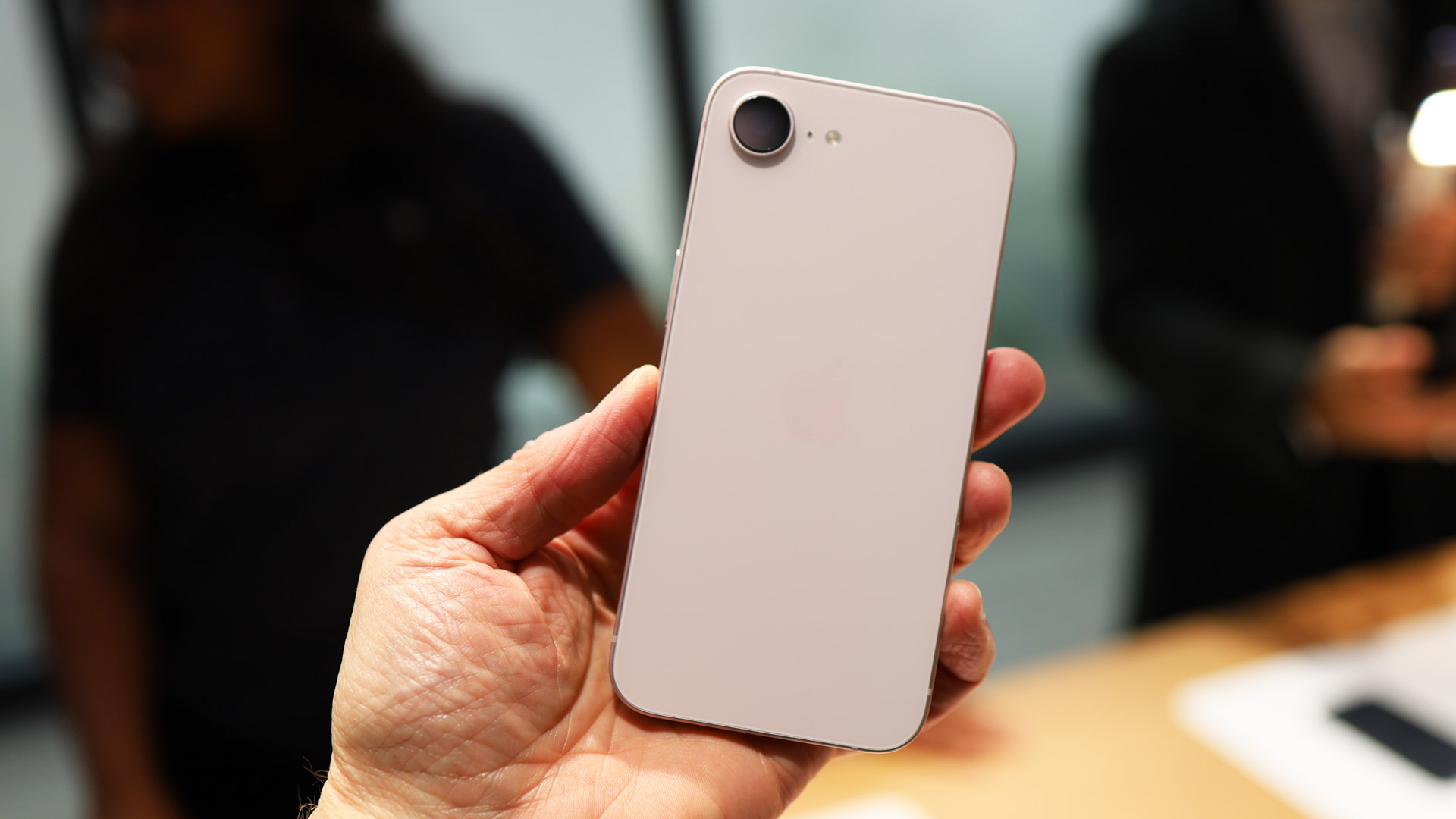
Staying in the world of budget smartphones, we also reviewed Apple’s iPhone 17e, and it also proved its worth as an affordable winner.
No, it doesn’t reinvent Apple’s budget iPhone approach, but it does bring significant improvements to the iPhone 16e thanks to its A19 chip, double the starting storage to 256GB, and the long-awaited addition of MagSafe – all for the same starting price as the previous model.
The single rear camera will be disappointing if you like taking snapshots, and the screen isn’t as sharp as the iPhone 17’s, but if you’re looking for an affordable iPhone, there’s no better option in our testing.
2. The MacBook Neo blew us away
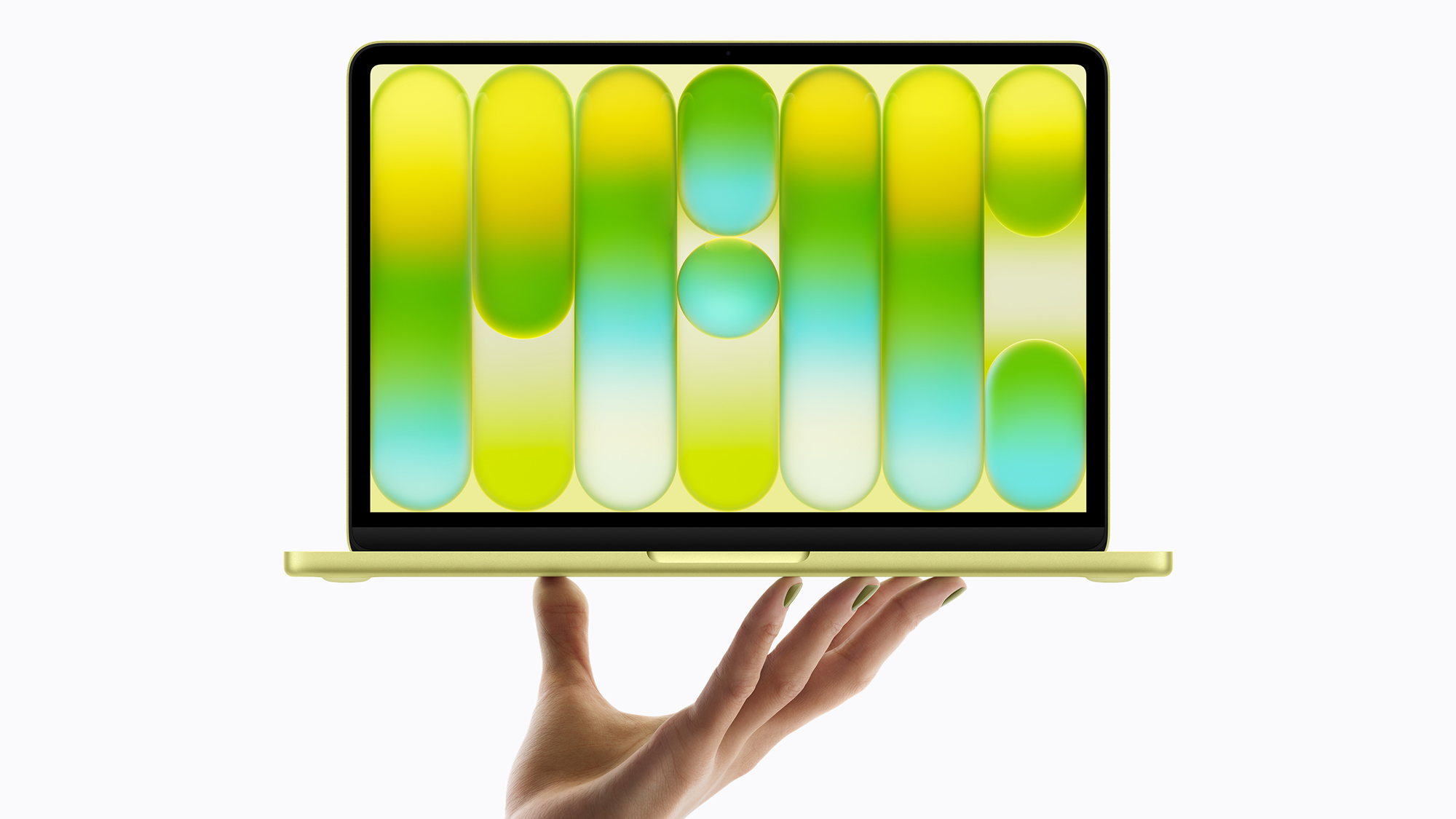
The Apple MacBook Neo does not seem to be working. It runs on an iPhone chip, has only 8GB of unified memory, and includes older USB 2.0 technology. Still, the Neo manages to deliver a great MacBook experience: there are no compromises on macOS and it’s a much more capable machine than its budget counterparts running Windows 11 and ChromeOS.
For what? Well, for starters, the performance is solid. Yes, you’ll want to stick with Apple’s own apps rather than third-party alternatives and keep multitasking low, but you can get a good level of utility from this machine.
Then there’s the design, which is simply stunning, with the Neo’s color highlighted on its aluminum shell, Magic Keyboard and even in the macOS elements – and the screen is stunning.
And then there is the price. At $599 / £599 / AU$899, it stretches the definition of budget a bit, but compared to other MacBooks – or the Windows competition – it’s a bargain.
1. Sonos showed us two new speakers — and some explanations
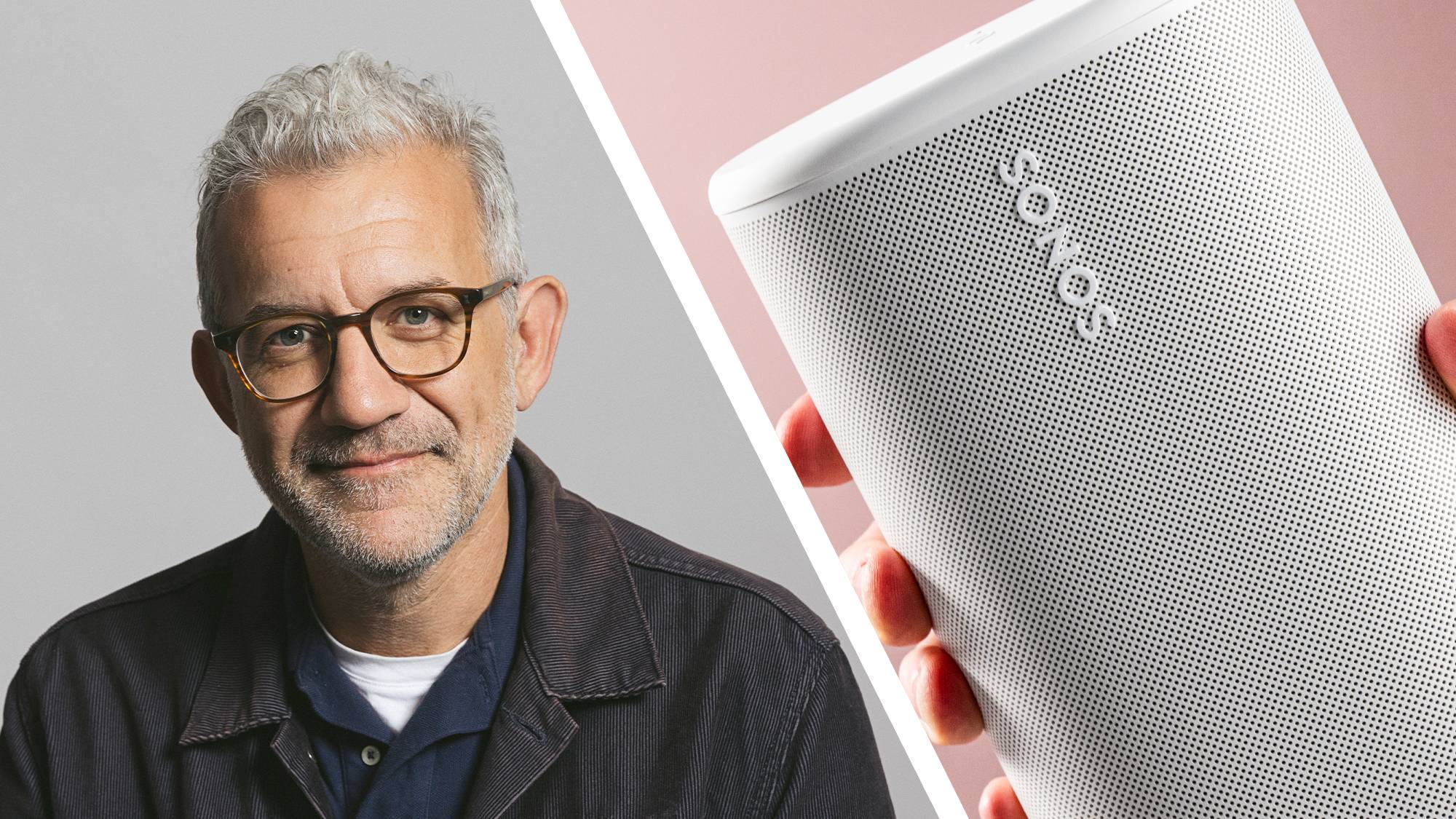
Sonos hasn’t had a great time lately, with the disastrous and well-documented relaunch of its app drawing widespread criticism and, ultimately, the replacement of its CEO in January 2025.
That was then and this is now, and this week Sonos released not one but two new speakers in the form of the Sonos Play and the Sonos Era 100 SL. And its current CEO, Tom Conrad, was eager to sit down with us and tell us what was wrong in 2024, what his strategy was for the future, and why we should be excited about the new devices.
You can read our Home Tech editor Matt Bolton’s full interview with Conrad here, and also check out Conrad’s insights on what went wrong with the Sonos app upgrade. But for now, let’s focus on the speakers.
The Sonos Era 100 SL is a new, more affordable version of the existing Era 100, but without microphones; so it lacks the smart home features of the original, but is priced much cheaper.
The Sonos Play is even more interesting. This new portable speaker falls between the Roam and Move models in terms of price and features, and Conrad thinks it could be the “Goldilocks” speaker. And we think he might be right.


