
This week we saw major decisions that could shake up the tech world, as social media was labeled addictive in a landmark trial and the United States banned foreign Wi-Fi routers.
To stay on top of this, as well as the latest reviews and other essential tech news, scroll down for our full ICYMI recap of the week.
When you’re done here, be sure to also read our experts’ picks for the seven new movies and TV shows to watch this weekend.
Article continues below
On Wednesday, a Los Angeles jury ruled that Meta and Google were responsible for designing deliberately addictive products, a case that could change social media forever. The plaintiff, a woman known only as KGM, said “she became addicted to YouTube at six and Instagram at nine,” which led to body image issues and self-harm.
KGM’s lawyers, in their closing remarks, said: “How do you make sure a child never hangs up the phone?” This is called dependency engineering. » We’ve identified three persuasive tricks social media companies use to keep users glued to their screens, and exactly how the infinite-scrolling loop hijacks children’s still-developing brains – all according to the latest scientific research.
2. We heard the Sonos Play in all its glory
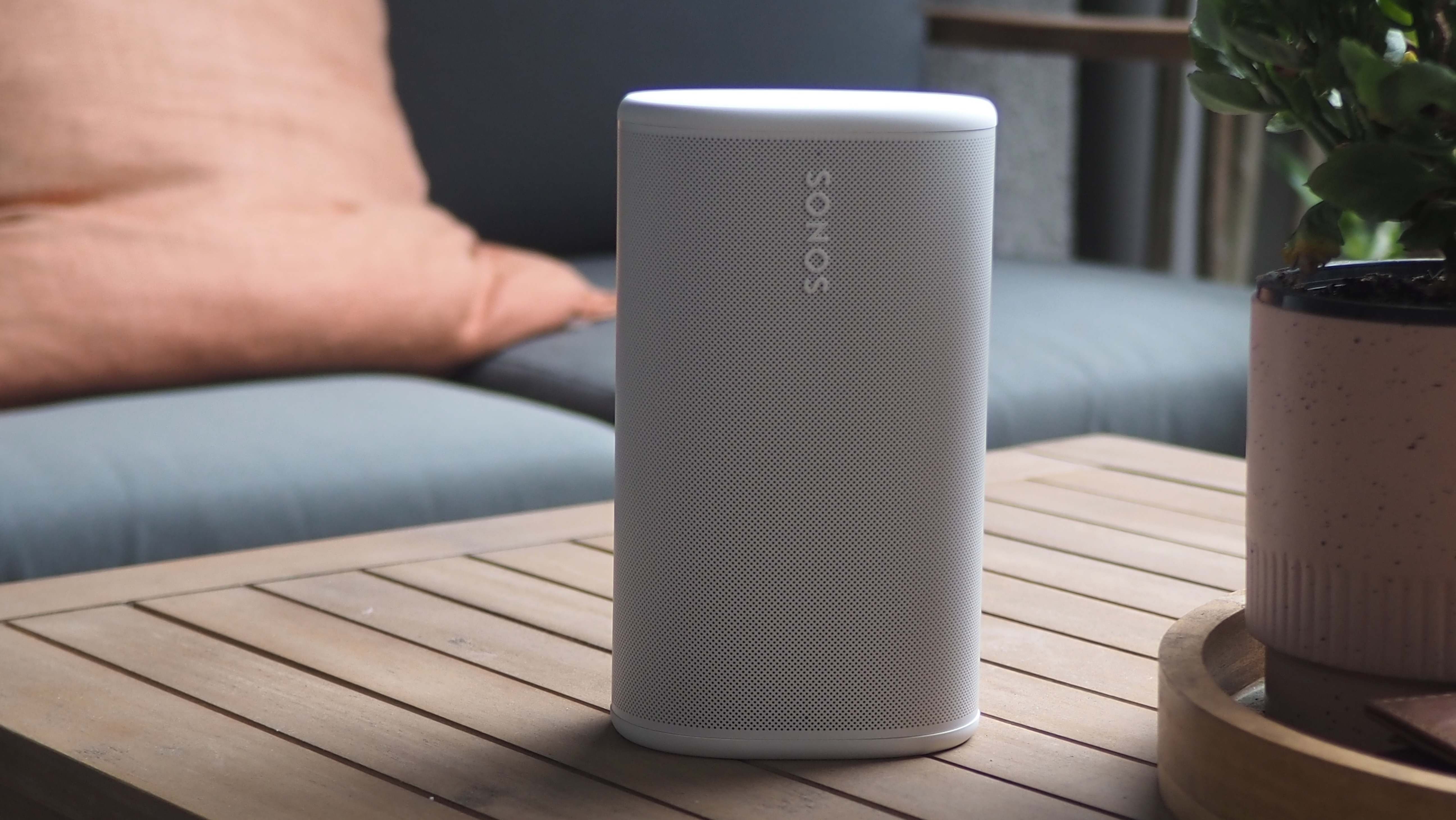
We spent a few weeks testing the Sonos Play speaker, and it’s a real return to form for Sonos. Not because it’s the best-sounding speaker in the world (although it’s truly impressive for something this size) or because it has every feature imaginable (although it does offer more options than anything else in its price range) – but because it returns to what Sonos was known for: speakers so practical that you’ll listen to more music than ever before.
This is a portable, battery-powered speaker that’s compact and lightweight enough to take with you, but is also powerful and high-quality enough to use as the primary wireless speaker in a room. This means it’s always accessible at any time, so we found ourselves using it more often, in more places, than with other portable speakers.
The funky, durable design with a charging pad is what helps make this the perfect do-it-all wireless speaker for the home, even if it’s not cheap.
3. We flew the DJI 360 drone
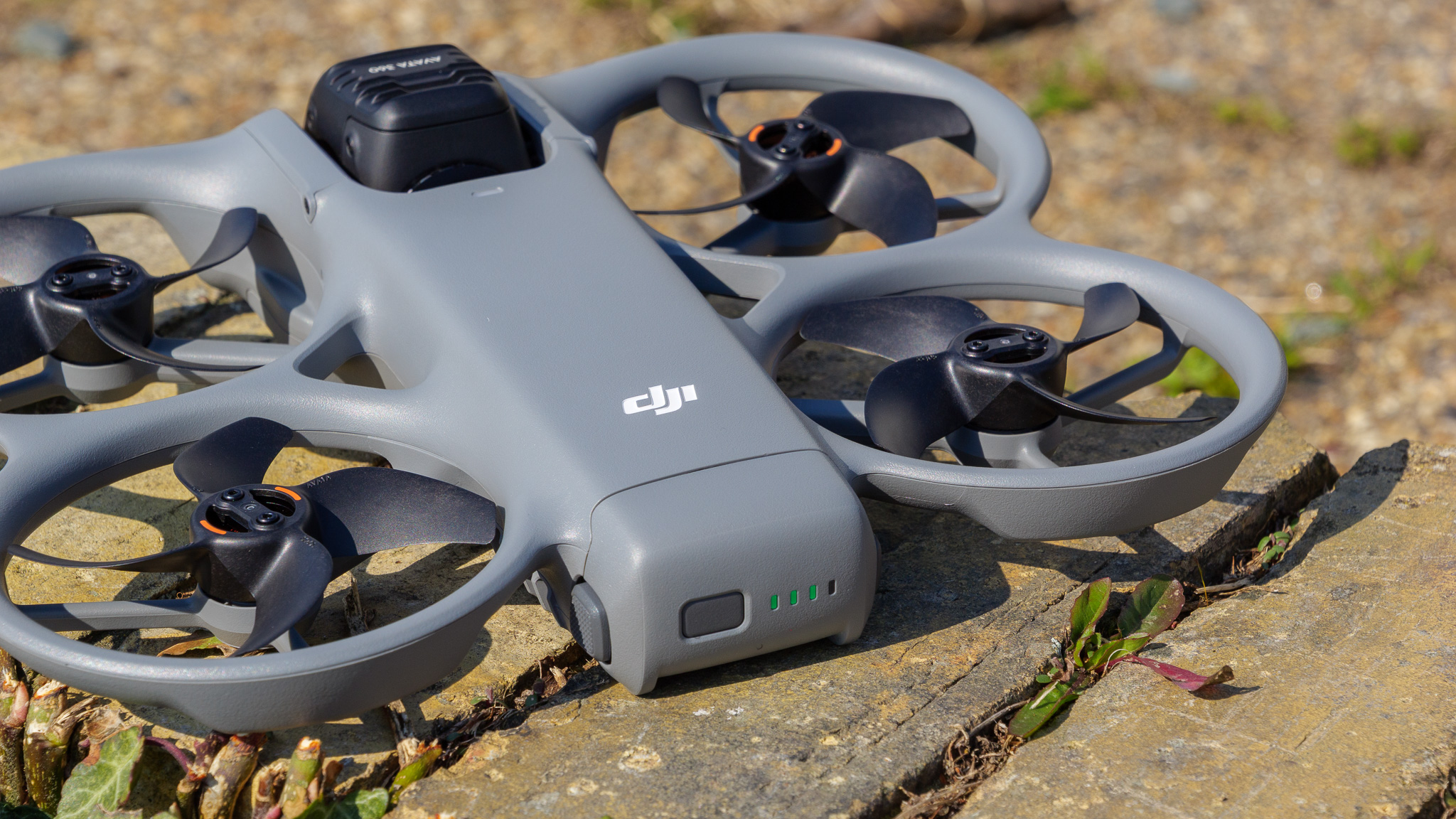
We tested the DJI Avata 360, and our verdict is in: it’s the 360 drone to beat. It’s more agile and versatile than its predecessor, the Antigravity A1, and offers excellent 10-bit image quality. Did we mention it’s also more affordable?
Yes, other DJI drones offer better pure image quality, and 360° images require post-production editing. Still, as a versatile device that is both a capable 360 camera and an exciting FPV pilot, the Avata 360 delivers brilliantly.
4. The United States banned non-American routers

In this week’s rendition of the strange tech law the Trump administration will impose on us, it just banned new Wi-Fi routers not made in the United States, meaning they will be banned unless they are made in the United States.
According to the FCC, routers manufactured outside the United States represent both a “supply chain vulnerability” and a “serious cybersecurity risk.” Essentially, they fear that these foreign routers will be used to spy on American citizens.
While it’s not the most illogical decision, the big problem is that finding routers made in the United States isn’t easy, and all of the best ones we’ve tested are made outside the country — meaning a new router you “upgrade” to might actually be a downgrade.
5. OpenAI killed Sora

Sora, we barely knew you. Just six months after the launch of what could be the world’s first social AI application and just 18 months after the Sora generative video model launched globally, OpenAI has pulled the plug.
Sora, as a platform and app, doesn’t seem to exist anymore.
OpenAI announced the news in a social post and has since offered little explanation. We have a few guesses, like the costs of supporting this whole video generation skyrocketing, interest in the app waning, or perhaps OpenAI preparing for its IPO. This is something they may have to do since Disney also just closed a billion-dollar deal with the AI company.
6. iOS 26.4 sparked controversy
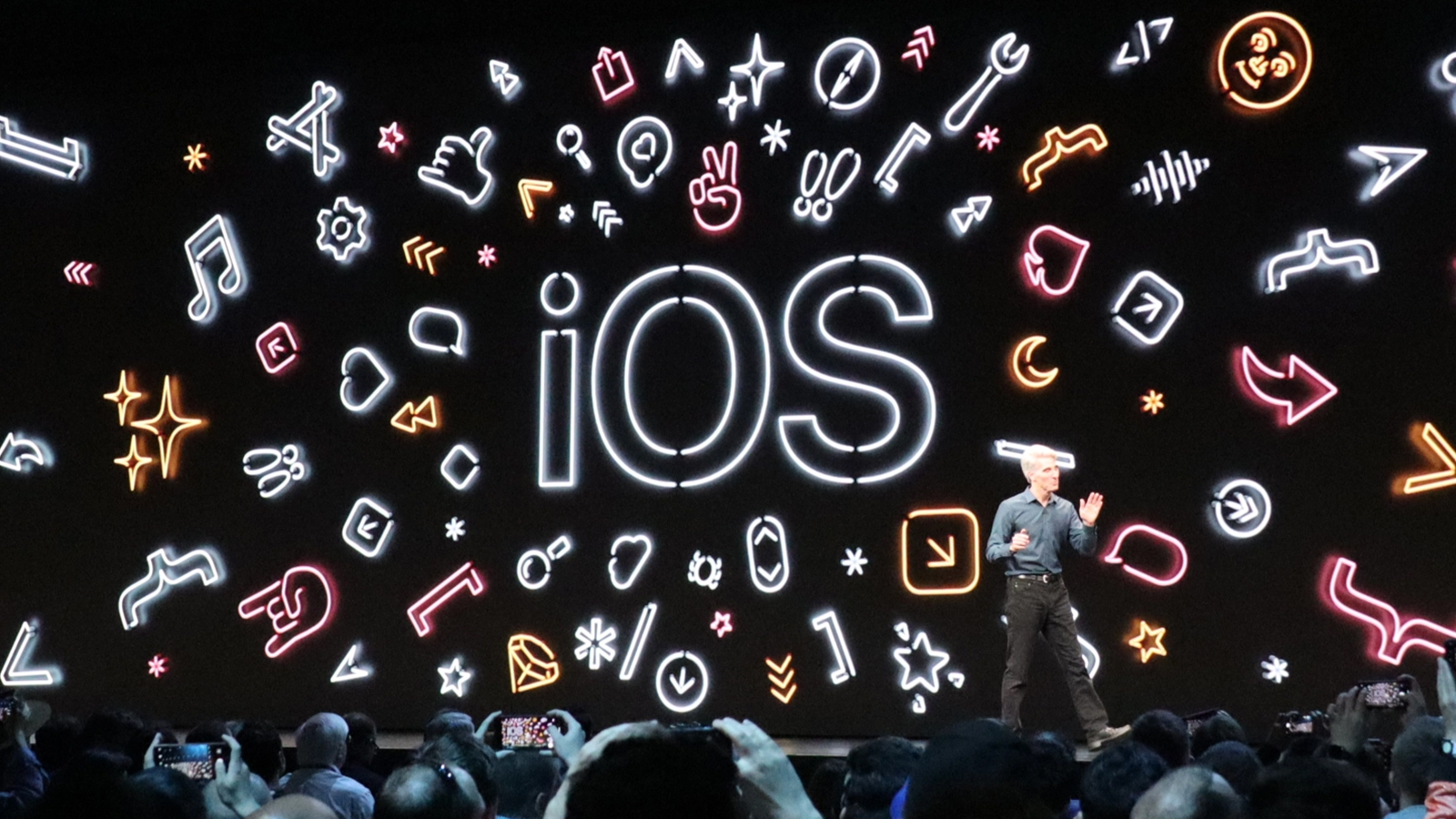
iOS updates usually deliver fun new treats for iPhone fans, but this week iOS 26.4 came with a less welcome gift: age verification checks for UK users.
When you install the update, you have to prove you’re over 18, which poses problems for many people who don’t have a driver’s license or credit card to scan. The buggy process and concerns over the security of age verification checks have also doused this already hot topic with additional gasoline.
If you’re having issues with iOS 26.4, we’ve outlined some potential fixes in our guide below. This controversy is probably just beginning, but perhaps WWDC 2026 (also announced this week for June 8) will help provide some answers.
7. Netflix raised its prices

It’s that time of year again! We’re not talking about the changing seasons, no, of course, it’s about Netflix’s price hike. Hooray…
The world’s largest streaming service quietly announced that the Standard tier with ads would increase by $1 to $8.99, while the two ad-free tiers, Standard and Premium, would increase by $2 to $19.99 and $26.99, respectively.
Additionally, Netflix’s additional member fee will increase from $7.99 to $9.99 — yay!
It’s unclear whether this change will launch outside the US anytime soon, but you can always count on three things in life: death, taxes, and Netflix’s price hike.


