
.
ISLAMABAD:
Islamabad is closely monitoring the situation in Iran and does not want upheavals in the neighboring country, as any major instability across the border would have far-reaching consequences for Pakistan’s security, economy and regional position.
Islamabad understands that a section of the Iranian population is protesting against inflation, unemployment and the rising cost of living, but Pakistan’s diplomatic and security circles are also clearly concerned that Iranian dissidents based abroad are actively trying to amplify the unrest and push it in a particular political direction.
“Pakistan is very cautious. This is an internal matter of Iran. However, we are closely monitoring the situation,” a government official said, adding that the Pakistani government has no interest in seeing chaos in neighboring Iran.
“Any prolonged instability will ripple across the region, and Pakistan would be among the first countries to feel the impact,” the official said, while requesting anonymity given the sensitivity of the issue.
Echoing these concerns, Pakistan issued a travel advisory for Iran and activated a contingency plan to help its nationals should the situation deteriorate further. The advisory comes amid reports of violence in several Iranian cities, temporary internet outages and increased security deployments.
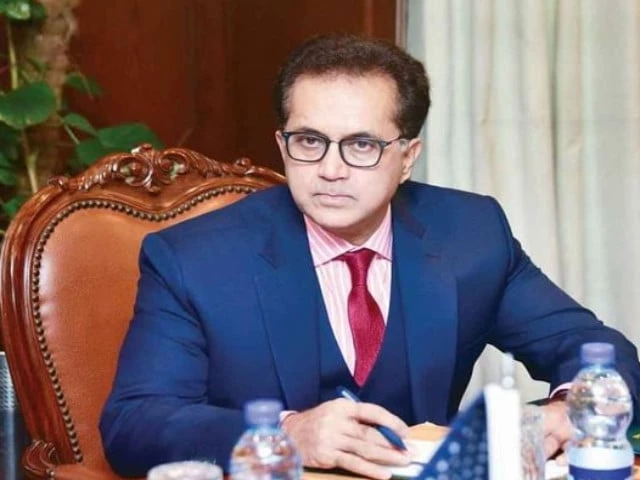
Pakistan’s Ambassador to Iran Mudassir Tipu has urged Pakistani nationals to strictly adhere to immigration and travel requirements. “All Pakistani nationals traveling to Pakistan from Iran must ensure that they have a valid visa or exit stamp (Kharooj) in their passport,” he said.
“Students can ensure that they have clearance certificates issued by their university. Otherwise, Iranian immigration authorities will not allow them to travel until they complete the required procedures,” the ambassador said in a statement.
He also warned that those traveling by road should reach border points well before closing hours and coordinate their onward journey within Pakistan in advance. “We are always available for any help,” assured the ambassador.
The Ministry of Foreign Affairs said: “In view of the current situation, the Ministry of Foreign Affairs of Pakistan has issued a travel advisory regarding Iran. Our nationals are asked to respect this notice. We will be very grateful for your cooperation and understanding and will try our best to help you.
The unrest in Iran has sparked strong reactions in Washington and Tel Aviv, with the United States and Israel openly supporting calls for political change. US President Donald Trump went further, threatening military action if Iranian security forces killed protesters.
His remarks sparked a sharp response from Tehran, with Iranian Parliament Speaker Mohammad Baqer Qalibaf warning that any attack on Iran would trigger strikes on Israel and US military installations in the region.
Despite these fiery speeches, analysts warn against any premature conclusions about regime change. “I have seen four protest movements in Iran in the last three decades and there is no indication yet that the current protests could lead to regime change,” Muhammad Hussain Bakari, an international affairs expert based in Iran, told the Express PK Press Club.
Bakari said the majority of protesters were peaceful citizens expressing genuine economic demands. “But about 10 to 15 percent are armed and apparently supported by external actors who attack state institutions,” he added, arguing that this factor has complicated the situation and hardened the state response.
For Pakistan, the stakes are high. Any prolonged instability in Iran could disrupt cross-border trade, fuel smuggling networks, complicate border management in Balochistan and increase pressure on refugees, analysts say.
A broader regional escalation involving the United States or Israel could also put Pakistan in a difficult diplomatic position, given its ties to Iran, Gulf countries and China. Officials say Islamabad’s priority remains nearby stability. “Pakistan has no desire to see Iran weakened or fractured,” one diplomat said. “The lesson from the region is clear: chaos does not remain confined within borders.”
As tensions continue to simmer, Pakistan is treading a cautious line, urging its citizens to stay safe, avoiding public posturing and quietly hoping that Iran’s internal crisis does not escalate into a regional conflagration.


