
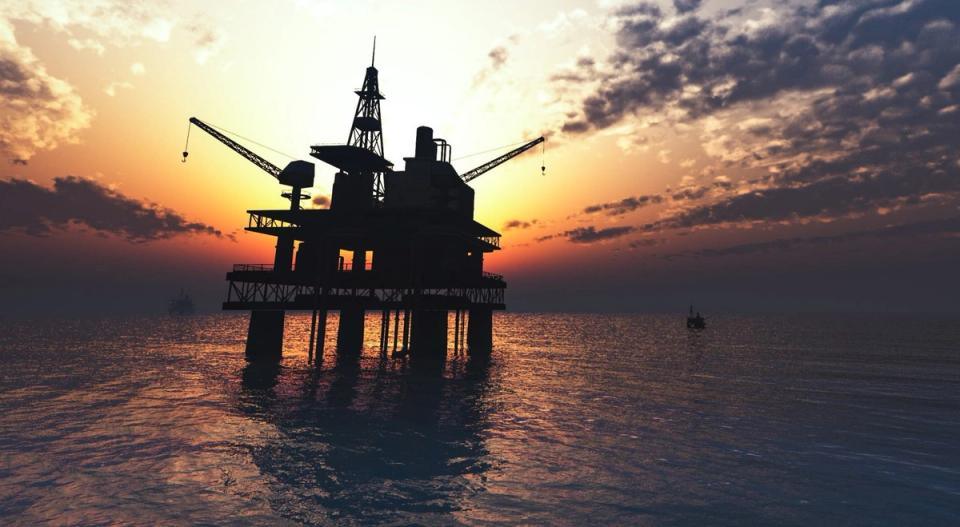
Since the start of the Iran war, the market narrative has been simple: the oil boom, inflationary impulse and broader market volatility will be temporary and will subside once the conflict ends, allowing central banks to grease the economy and markets with easy money, as they always did after 2008.
But there is a contrary view that the scars of the Iran war will persist for a long time in the form of a structurally high global inflation floor. This could impact returns across all asset classes, including stocks, cryptocurrencies and bonds.
The answer to this question lies in the main lesson of the war in Iran: energy markets are fragile and major economies are exposed to soaring oil prices and disruptions in energy supplies.
For decades, many countries, including major economies, have relied on global energy supply chains, price-driven markets, and comparative advantage. This model worked, but it has now collapsed following the latest disruptions in the Strait of Hormuz, which led to massive energy shortages around the world, including in major economies like India, Japan and South Korea. If the conflict continues, countries like China, which have large reserves, could also suffer, including the supposedly energy independent United States.
The bottom line: In the future, every nation is likely to place energy independence and security at the heart of its national security strategy.
According to energy market expert Anas Alhajji, this trend will trigger rapid deglobalization of energy markets, prioritizing cost controls and leading to stubborn inflation.
“Once this mindset takes hold, global energy markets will never return to the old model of open, price-driven, largely commercial trading. Instead, capitalist economies – historically dependent on market efficiency, global supply chains and comparative advantage – will increasingly reflect the Chinese approach: heavy-handed state leadership, strategic stockpiling, vertical integration, subsidies to national champions, and prioritizing autonomy/control over pure cost minimization,” he said in an explanation on X.
He added that most countries lack China’s centralized supply chain, industrial base and decision-making, which could lead to slower innovation, market fragmentation and higher costs.
“The result: higher costs, slower innovation in some areas, fragmented markets, and reduced overall efficiency for Western-style economies, all in the name of “security.” Energy ceases to be a simple commodity among others; it becomes a geopolitical weapon and an internal fortress,” he noted.
In other words, the impact of the war in Iran goes beyond short-term volatility in oil prices.
There are already signs of widespread fallout, affecting everything from fertilizer and food production to industrial production and perhaps even the chipmaking and semiconductor industry, as disruptions in the Strait of Hormuz choke off supplies of helium and sulfur, essential to chipmaking.
In addition, the UN has already warned of rising food prices around the world.
Impact on assets
All of this means that central banks may no longer have the flexibility they once had to quickly turn on the liquidity spigot to support the economy and asset prices.
From 2008 to 2021, the global consumer price index (CPI) or inflation rate averaged less than 3% (briefly rising to 8% in 2022, only to fall to 3% in 2024), according to the St. Louis Fed data source. This has allowed central banks, including the Fed, BOJ and others, to pursue ultra-loose monetary policies that peg interest rates at or below zero, and inject liquidity through aggressive bond purchases or quantitative easing, fueling epic gains across all markets. Bitcoin, for example, went from a single-digit dollar-denominated price in 2011 to $126,000 in October of last year.
But with a structurally higher expected inflation floor, this paradigm is changing. Central banks can no longer assume they can always cut rates to stimulate growth. Liquidity could be more limited, capping returns across all asset classes.
The message is clear: investors must prepare for a world where inflation is persistent, monetary policy is less accommodative and market volatility is the new normal.


