
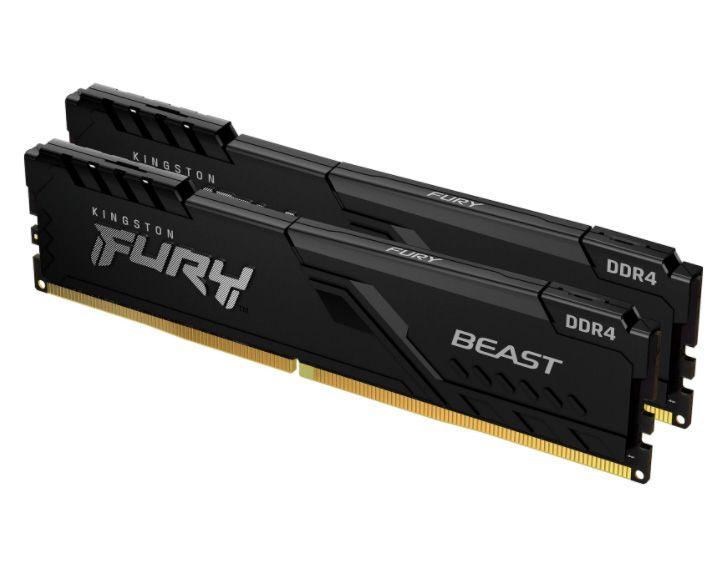
- RAM prices soar after a long period of relative stability
- 64GB DDR4 kits have gone from almost $150 to around $400 to $600
- DDR4 and DDR5 kits show massive increases across multiple capacities
RAM prices are steadily rising at a rate that’s becoming incredibly difficult to ignore – and while some of the blame for this rise can be placed on memory giants SK Hynix, Samsung and Micron prioritizing the needs of hyperscalers and AI companies over consumers, the situation is more complicated than that, as I wrote recently.
If you’re hoping to build a new PC or upgrade an existing PC, you’ll need to budget a lot more for RAM than you probably anticipated, especially if you need DDR4.
Memory trend charts PCPartPicker shows how much things have changed in a relatively short time. For much of 2025, DDR4 prices have remained largely stable. A typical 32GB DDR4 kit usually ranged between $70 and $90, depending on speed and brand.
Exorbitant prices
Fast forward to today, and recent tracking data shows that many 2x16GB DDR4 kits now exceed $150, with more expensive offerings approaching or exceeding $200.
The change is much more pronounced at higher capacities. 2x32GB DDR4 kits that spent much of the time averaging $120-$150 have climbed dramatically, with current averages hovering around $350-$400.
High-end individual listings are now around $600.
These increases are significant enough that older price history is visually compressed on some of the PCPartPicker graphics.
Long flat stretches of relatively stable prices were compressed to accommodate the rapid rise near the right edge.
The price of DDR5 is also increasing, although this curve seems slightly less steep.
Kits that previously averaged around $150 are now more commonly tracked in the $250 to $300 range.
This continued increase in price will inevitably change how memory fits into many manufacturers’ overall system budgets. RAM is no longer a predictable purchase that can be treated as a minor line item.
If the current direction continues, memory could soon rival CPUs and GPUs as one of the largest costs of a build. This would have been difficult to imagine a year ago.
Not all memory-related components are affected equally. NAND-based storage prices are showing much less movement – at least for now.
Follow TechRadar on Google News And add us as your favorite source to get our news, reviews and expert opinions in your feeds. Make sure to click the Follow button!
And of course you can too follow TechRadar on TikTok for news, reviews, unboxings in video form and receive regular updates from us on WhatsApp Also.


