
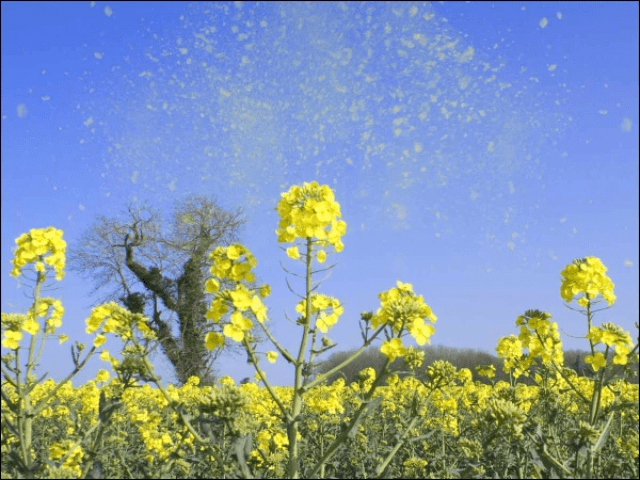
A significant increase in pollen levels in Islamabad has led to an increase in allergies, the number of pollens recently recorded at 45,916.
This increase has led to an increasing number of residents looking for medical care for pollen problems, especially those with asthma and respiratory conditions, Express News reported.
The number of pollen, which has increased regularly in recent days, has aroused concerns among health professionals.
According to the meteorological department, the highest levels have been recorded in sector H-8, followed by the G-6 and E-8 sectors, with levels in other areas like F-10 also showing alarming numbers.
Doctors have warned that the increase in pollen presence in the air can have a serious impact on people with pre -existing respiratory conditions, such as asthma, and can also cause discomfort for allergic pollen.
Consequently, health professionals have urged people at risk of carrying masks and taking the necessary precautions.
What is pollen allergy?
Pollen allergy, also known as “hay fever” or “seasonal allergy”, occurs due to the inhalation of pollen particles, trees and grass. When these pollen particles penetrate the human body through the nose, mouth or eyes, the immune system wrongly recognizes them as harmful, triggering an allergic reaction.
Pollen allergy symptoms
Current symptoms of pollen allergy include:
- Nose flowing or blocked
- Sneezing
- Itching, red or aqueous eyes
- Sore throat or cough
- Headache or fatigue
Ways to prevent pollen allergies
- Stay inside: especially in the morning when the pollen levels are at the highest.
- Keep the windows and closed doors: this helps prevent pollen from entering the house.
- Wear a mask: the use of an outside mask can prevent the inhalation of pollen particles.
- Wash clothes and hair: after being outside, wash your clothes and hair to remove all pollen particles.
- Using antihistamines: following a doctor’s advice, antihistamine drugs can help reduce allergies symptoms.
Pollen allergies treatment
If the symptoms are serious, it is essential to consult a doctor. Doctors can recommend antihistamines, nasal sprays or allergy plans (immunotherapy), which can be part of long -term treatment for pollen allergies.
Although pollen allergies can be annoying, appropriate precautions and appropriate treatment can help minimize their impact.


