
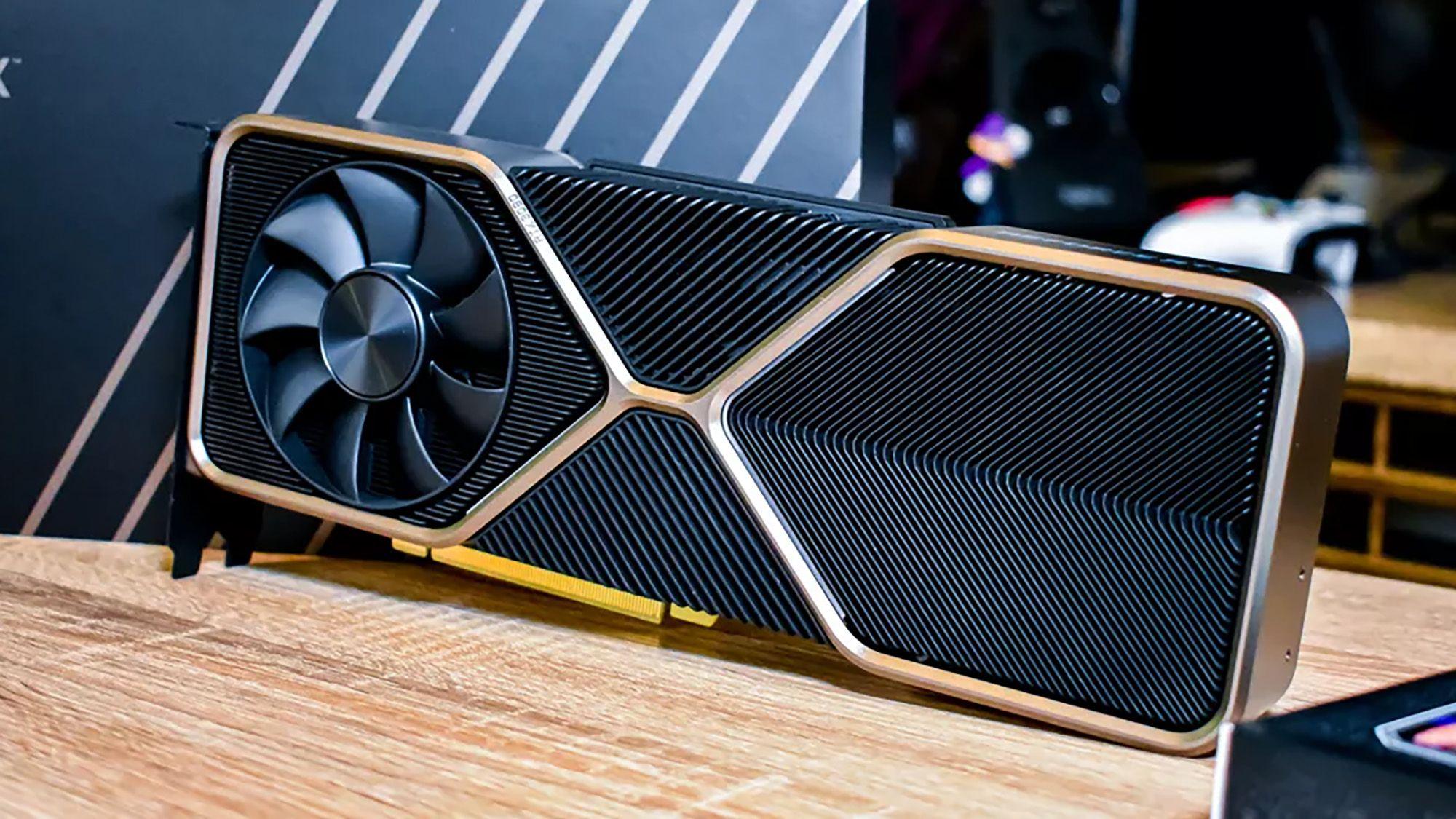
- Nvidia commented on GPU supply issues during a Q&A session at CES 2026
- CEO Jensen Huang admitted that bringing back older GeForce GPUs could be a possible solution
- However, a more likely solution might be to make new AI technology (elements of DLSS) accessible to older graphics cards.
Nvidia could consider bringing back some older GPUs as part of a strategy to address current supply and pricing pressures around graphics cards – and another possibility is to bring frame rate enhancement technology (DLSS and its features) to more older generation models.
Tom’s Hardware spoke directly to Nvidia CEO Jensen Huang during a Q&A session at CES 2026.
Our sister site noted the current situation around rising gaming GPU prices – and supply and production issues, linked to the rising cost of video RAM – then asked Huang: “Do you think that perhaps increasing production on some older generation GPUs, on older process nodes where there might be more production capacity available, would help that, or perhaps also increasing the supply of GPUs with less DRAM?”
Huang replied: “Yes, maybe, and we could eventually, depending on the generation, bring last generation AI technology to previous generation GPUs, and that will require a fair amount of engineering, but it’s also within the realm of possibility. I’ll go back and take a look. It’s a good idea.
So there are two parts to this answer. First, the CEO acknowledges that it’s possible that older models could be resurrected as a stopgap to fill current gaps in GPU supply that are causing price hikes.
Second, the other potential path for Nvidia is to use “latest generation AI technology” with older GeForce graphics card lines. And by that, Huang likely means the exclusive features of the RTX 5000 GPUs, as demonstrated by some pieces of the frame rate boosting puzzle that is DLSS 4 (which just upgraded to DLSS 4.5 at CES 2026).
Analysis: vague and cautious
It’s a cautious response, to be sure, and you can almost hear the cogs whirring in Huang’s mind as to exactly how to phrase his response.
Given the tentative wording, it rather seems that the idea of launching production lines to manufacture old, previously abandoned GPUs is a misconception. remote possibility, frankly. And that a more likely solution would be to bring DLSS capabilities to more GPUs in an effort to regain some popularity with the gaming audience, who once again find themselves on the short end of graphics card pricing due to external circumstances beyond their control (the AI boom in this case).
Still, it’s at least an admission that the concept of older Nvidia GPUs returning to the fray hasn’t been completely ruled out, in theory.
As for helping older GeForce cards on the software side, we’ve already seen progress in this area, with DLSS 4.5, just revealed as mentioned, providing a 2nd generation transformer model to older RTX GPUs. This new transformer model is fully compatible with RTX 4000 and RTX 5000 graphics cards, but it works to a lesser extent with RTX 3000 and 2000 GPUs. (Although in the latter case, early tests show it to perform considerably worse, to the tune of a 20% drop – but that’s still a boost, even if it’s a more modest increase).
And it highlights the central problem of making cutting-edge AI-based features available for older Nvidia GPUs. Namely, it takes a lot of work – or as Huang puts it, such efforts “require a fair amount of engineering” – to get this kind of feature to work properly on previous generation graphics cards so that it provides a noticeable boost (and no extra wrinkles).
Still, some are certainly hoping that frame generation could eventually come to the RTX 3000 models (and multi-frame generation could be made available outside of the RTX 5000 GPUs), but the hardware limitations might prove too troublesome to overcome.
Nvidia is making at least some positive noises about potential solutions at the moment, but it’s all still rather vague. Meanwhile, Nvidia GPU prices are climbing the walls and exploding – much like the collective mood of PC gamers – with a flagship RTX 5090 reaching frankly ridiculous levels (reflecting system RAM). Other models like the RTX 5080 are also being hit hard, and rumors abound about new supply issues making the situation worse.
The best graphics cards for every budget
TechRadar will cover this year’s events extensively THESEand will bring you all the big announcements as they happen. Visit our Live news from CES 2026 page for the latest stories and our hands-on verdicts on everything we’ve seen.
You can also ask us a question about the show in our Live Q&A from CES 2026 and we will do our best to answer them.
And don’t forget to follow us on TikTok for the latest news from the CES show!


