
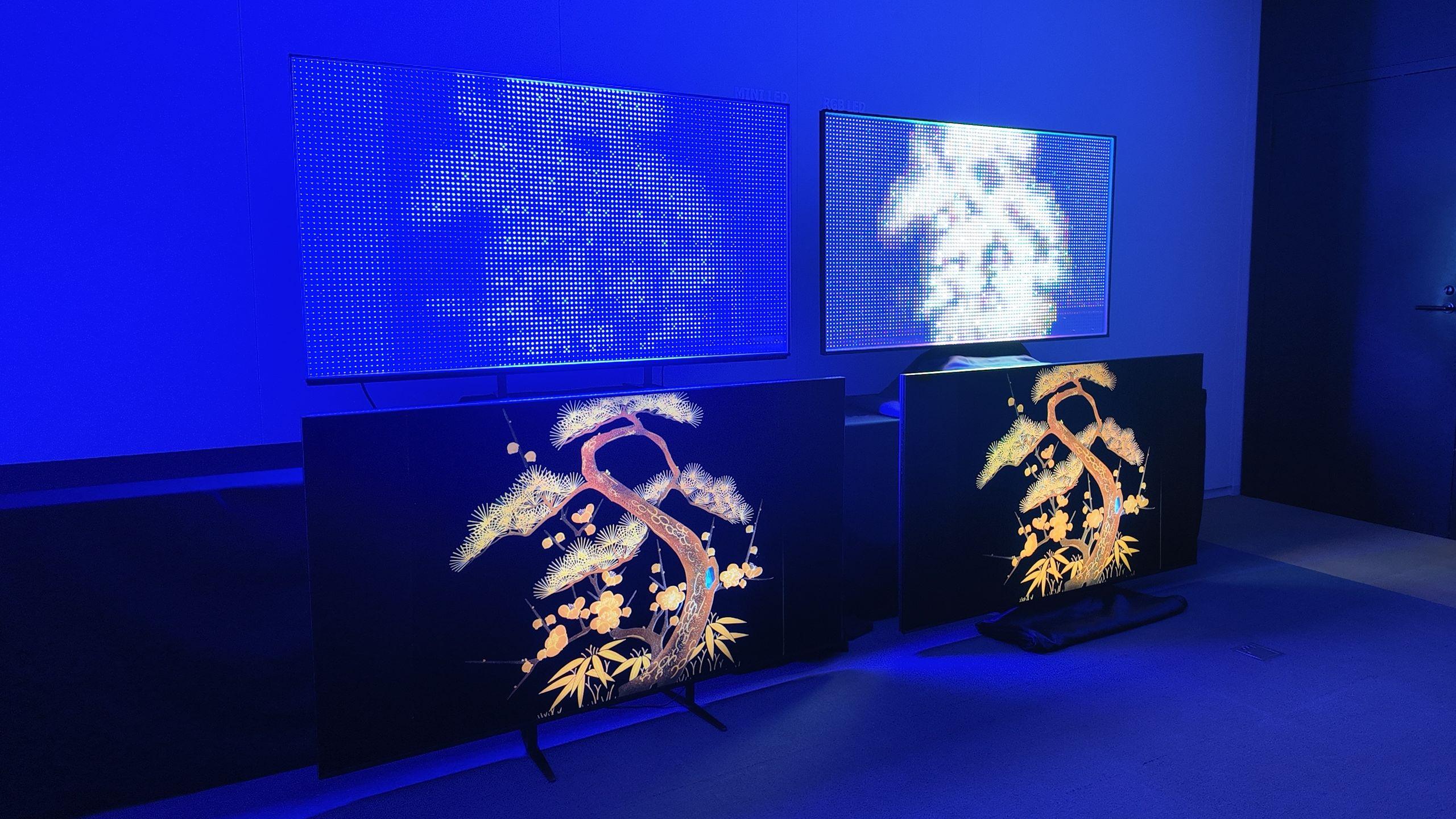
We’ve known for some time that Sony is developing its own version of RGB TV technology, which would complement its mini-LED and OLED offerings.
Now, after a trip to Sony headquarters in Tokyo, Japan, I’ve seen the latest version of it in person – and the company has confirmed that later in 2026, Sony’s “True RGB” technology will debut on consumer TVs.
What “True RGB” really changes
At its core, Sony’s approach – like other RGB-backlit TV offerings – is rethinking one of the most fundamental elements of an LED TV: the backlight.
Article continues below
Traditional LED and mini-LED TVs rely on blue (or white) backlighting that passes through filters to create other colors. RGB LED uses independently controlled red, green, and blue LEDs in the backlight itself to directly generate color.
This means less reliance on filtering and, in theory, more precise control over brightness and color.
Sony’s implementation uses three individual diodes – one red, one green and one blue – combined with a new backlight driver and its processing technology. The goal is simple on paper: control light and color at a much more granular level than traditional LED systems allow.
And as we’ve seen in previous reports, this combination can also unlock high brightness – with Sony targeting up to 4,000 nits – as well as wider color volume.
A continued focus on precision
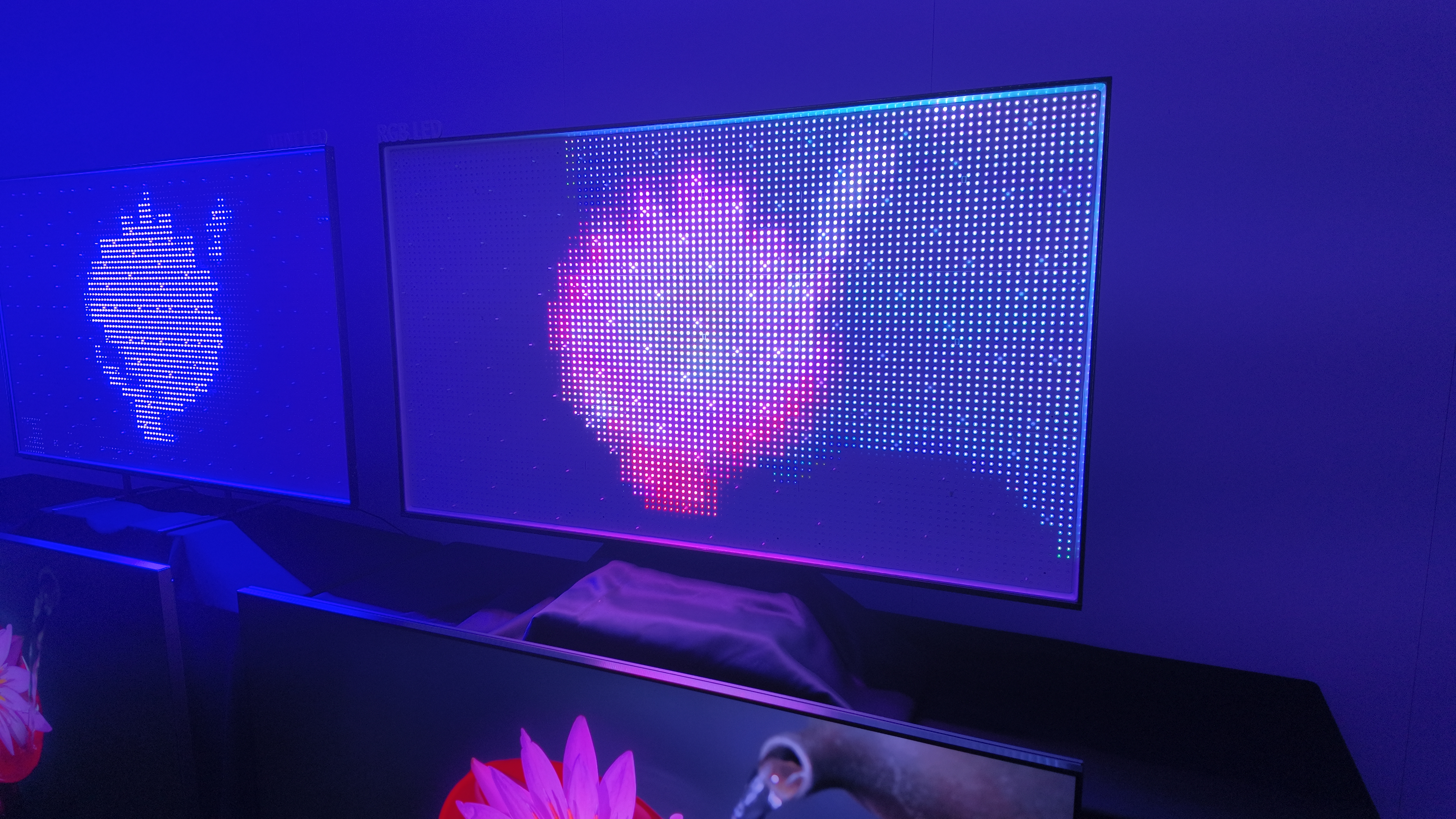
What stands out most in Sony’s demos isn’t just the brightness or the color, it’s the restraint.
Sony continues to lean heavily on its “creator’s intent” philosophy, and that shines through here. Instead of favoring oversaturated reds or hyper-vivid greens, the image aims to stay true to the source, simply with a richer palette to draw from. The result is an image that doesn’t appear artificially enhanced, but rather well controlled.
Skin tones are a particularly striking example of this. In scenes that can often appear too hot or exaggerated on other displays, Sony’s rendering remained stable and more in line with what you’d expect from a professional monitor.
It’s not always the flashiest approach, but it’s deliberate – and it helps True RGB stand out from other early RGB implementations I’ve seen.
That being said, Sony isn’t the first to offer RGB TVs, but that’s clearly intentional. This is a technology that has been years in development, and the company’s approach reflects that patience. Rather than simply adopting RGB LEDs, Sony is focusing heavily on how they are controlled, particularly in terms of density and processing.
Because even though RGB LEDs are fundamentally about going from a single backlight to a colored backlight, performance ultimately depends on how dense those LEDs are and how intelligently they are driven.
From what I’ve seen, Sony offers a very dense backlight design with minimal spacing between LEDs, combined with precise control of its processing. This allows it to manage the light output – and, above all, the color – at a very fine level.
Control is a key element of the story
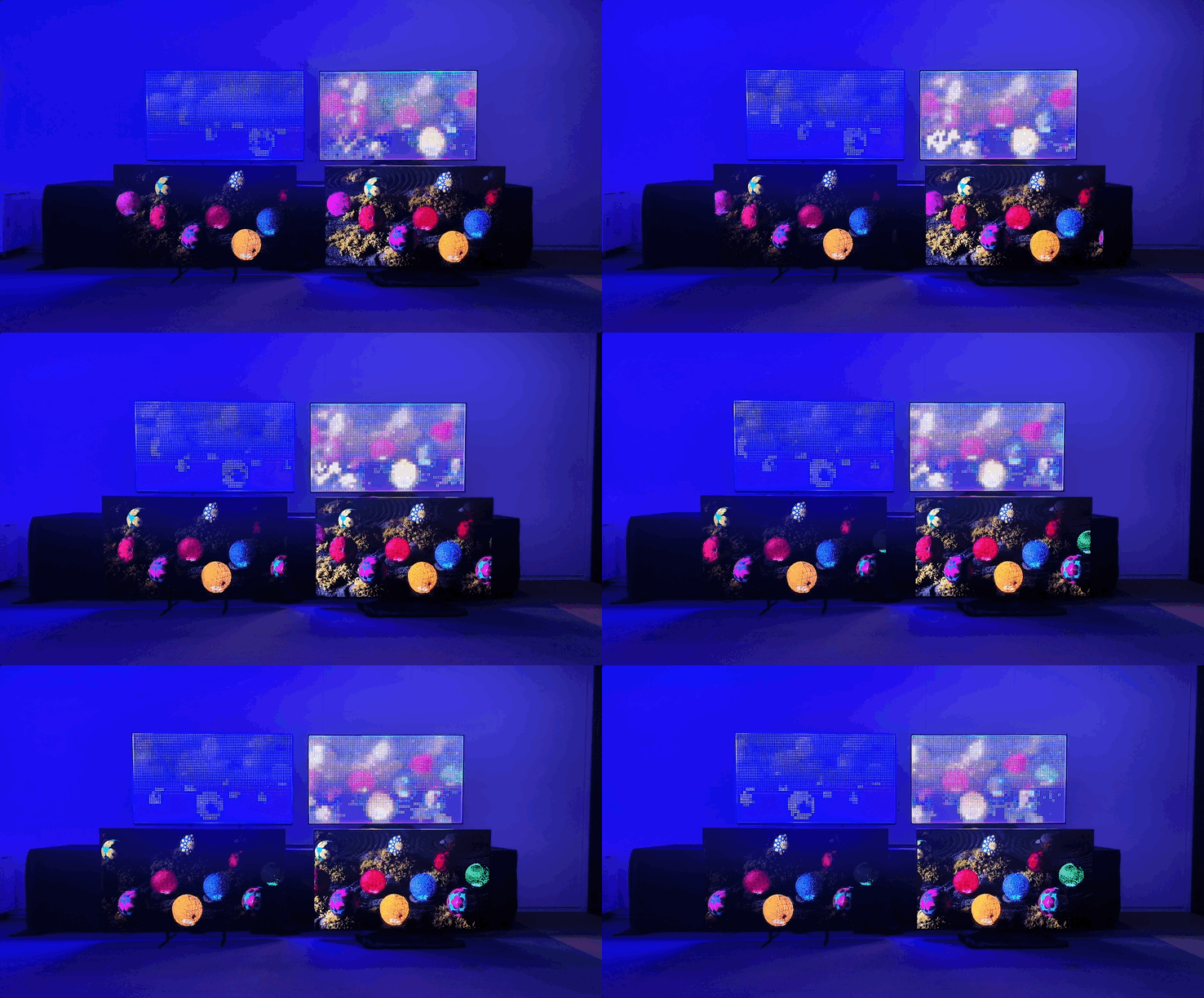
If I had one takeaway from the demo, it’s that control is a key differentiator here. Sony’s system can adjust brightness and color at a granular level on the screen and, more importantly, maintain color integrity even in the smallest lights, an area where RGB backlighting can struggle.
Instead of the typical white halo effect, the bloom on Sony’s prototype more closely matched the color of the object itself. A bright red highlight, for example, produced a red-tinted cast rather than a washed-out glow.
This is a subtle improvement, but one that makes bright scenes more natural and less distracting.
Brightness is another obvious advantage, making this technology particularly attractive in brighter rooms – spaces with lots of windows or less control over ambient light – where the best OLED TVs can sometimes struggle to compete.
And from what I’ve seen, this brightness doesn’t come at the expense of color accuracy, which can sometimes be a trade-off.
Based on these early previews, True RGB doesn’t feel like it’s trying to replace OLED or even necessarily mini-LED. Instead, it looks like Sony is creating a third option that will likely be quite premium.
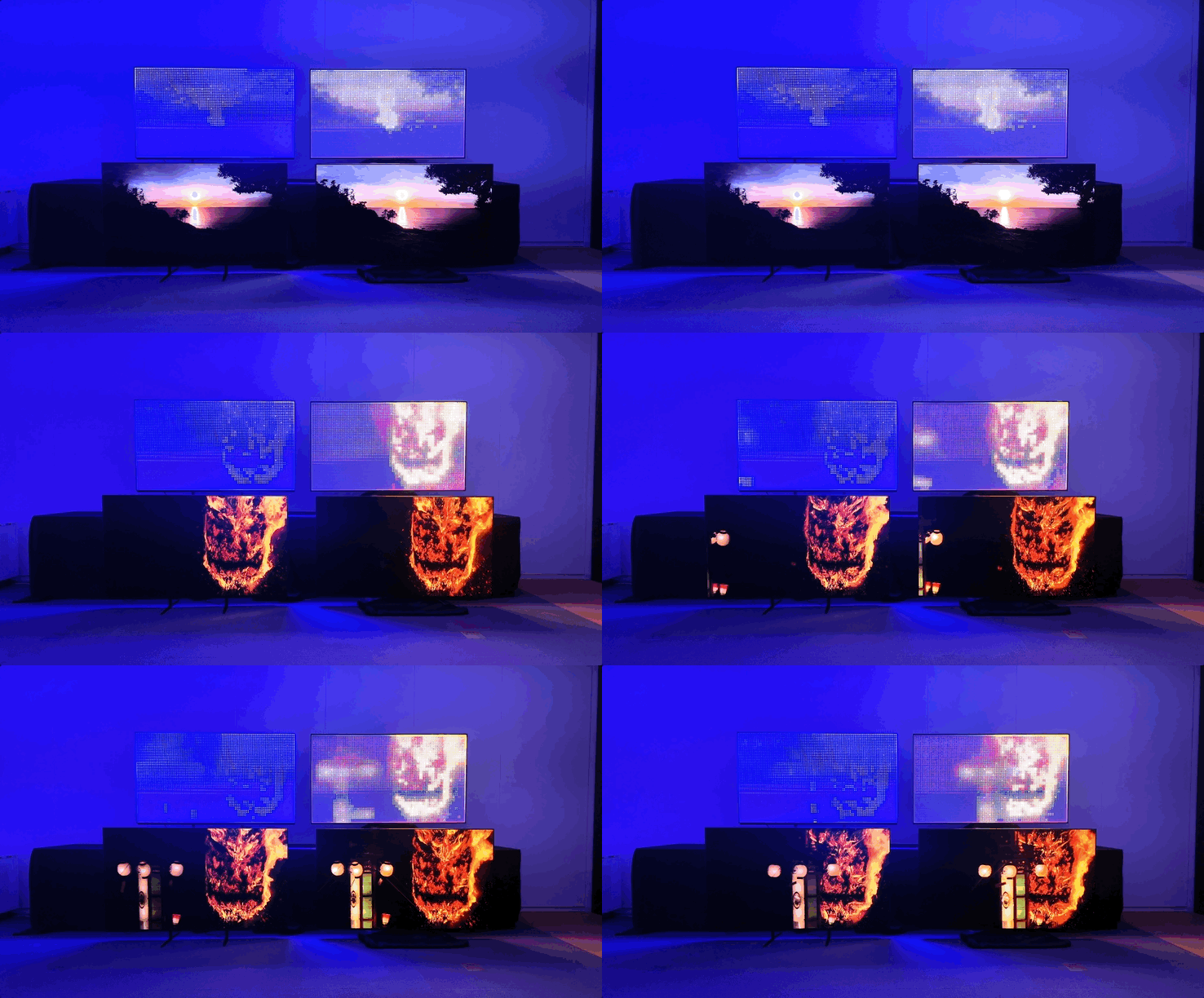
You get the brightness benefits of LED, combined with a level of color control close to that of OLED, which we’ve already noted is a key goal of RGB backlighting.
It’s still early and these were controlled demos. So questions remain about actual performance, including viewing angles, uniformity, and how it handles everyday content. But the direction is clear.
Sony’s True RGB appears to be a significant step beyond mini-LED in terms of performance and color control – not yet a definitive leap, but a strong indication of where premium LED TVs could be headed.
And if Sony manages to deliver this at scale, it won’t replace OLED, but it could become an interesting alternative alongside it.
Are you planning to buy a new television?
Try our TV size and model finder! You tell it how far you’re sitting from your TV, we’ll tell you what size to buy based on viewing angle advice from picture quality experts, and we’ll recommend our three best TVs of that size at different prices.
Follow TechRadar on Google News And add us as your favorite source to get our news, reviews and expert opinions in your feeds. Make sure to click the Follow button!
And of course you can also follow TechRadar on YouTube And TikTok for news, reviews, unboxings in video form and receive regular updates from us on WhatsApp Also.


